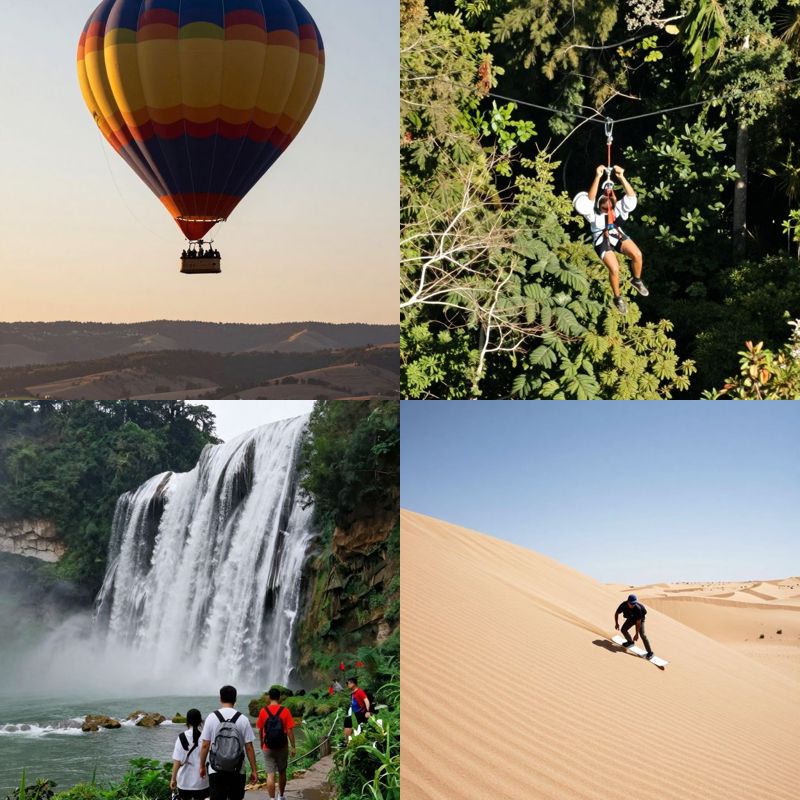
Summer is here, and you know what that means? It’s time to stop scrolling through vacation photos on social media and actually create your own adventures. Whether you’re an adrenaline junkie or a parent trying to tire out energetic kids (we see you :)), this list has something for everyone. I’ve spent countless summers testing out different activities with my own crew, and trust me, these experiences beat binge-watching Netflix any day of the week.
1. White Water Rafting
Nothing screams summer adventure quite like hurtling down rapids while trying not to fall overboard. White water rafting offers that perfect mix of teamwork, thrills, and occasional panic that makes for unforgettable memories. Most outfitters offer family-friendly Class II and III rapids that are exciting without being terrifying.
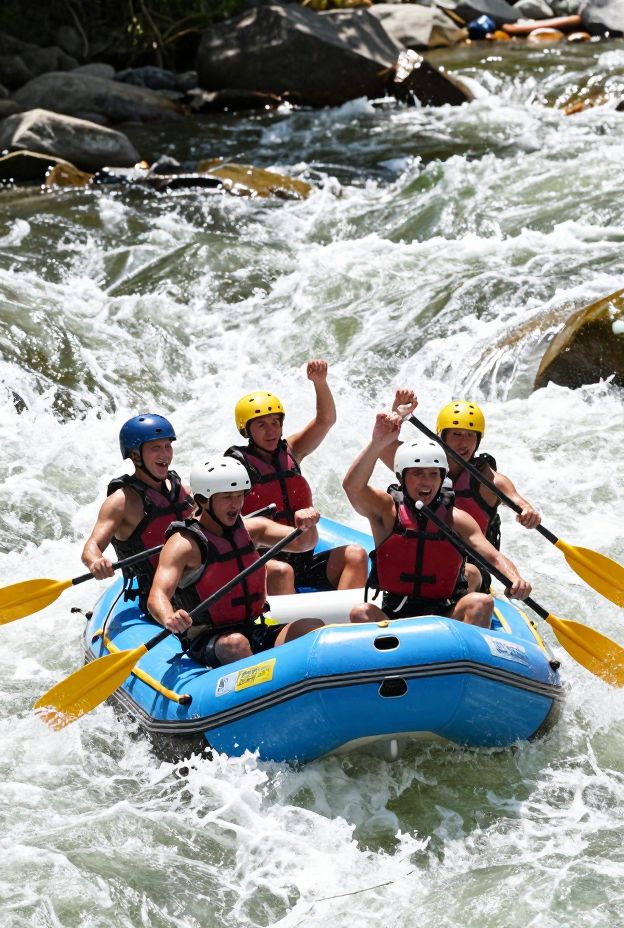
The best part? You don’t need any experience to get started. Professional guides handle the technical stuff while you focus on paddling and screaming. FYI, everyone gets soaked, so leave your fancy camera at home and invest in a waterproof one instead.
What Makes It Perfect for Families
Kids as young as six can usually join on calmer sections. The shared challenge creates bonding moments that video games just can’t match. Plus, after a few hours on the river, everyone sleeps like a rock that night.
2. Zip-Lining Through Forest Canopies
Ever wanted to feel like Tarzan without the whole “raised by gorillas” backstory? Zip-lining gives you that flying-through-trees sensation while strapped into professionally maintained safety equipment. I’ll never forget my first zip-line experience watching the forest floor blur beneath me at what felt like a million miles per hour.
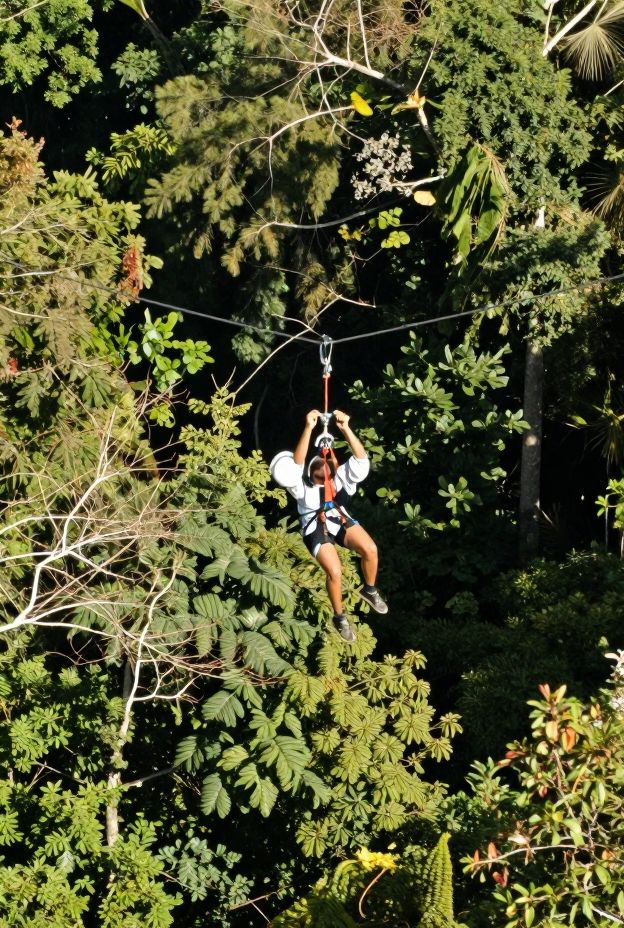
Most zip-line courses feature multiple lines of varying heights and speeds. You start small to build confidence, then graduate to the longer, faster runs. The views from up there? Absolutely worth conquering any fear of heights you might have.
Age and Weight Requirements
Most courses require participants to weigh between 50-250 pounds and be at least 7-10 years old. Always call ahead to confirm their specific requirements before booking.
3. Rock Climbing Adventures
Rock climbing transforms a simple cliff face into a vertical puzzle you solve with your body. Indoor climbing gyms offer a fantastic introduction for beginners, while outdoor climbing provides that raw connection with nature. The feeling you get reaching the top after a challenging climb beats any participation trophy, IMO.
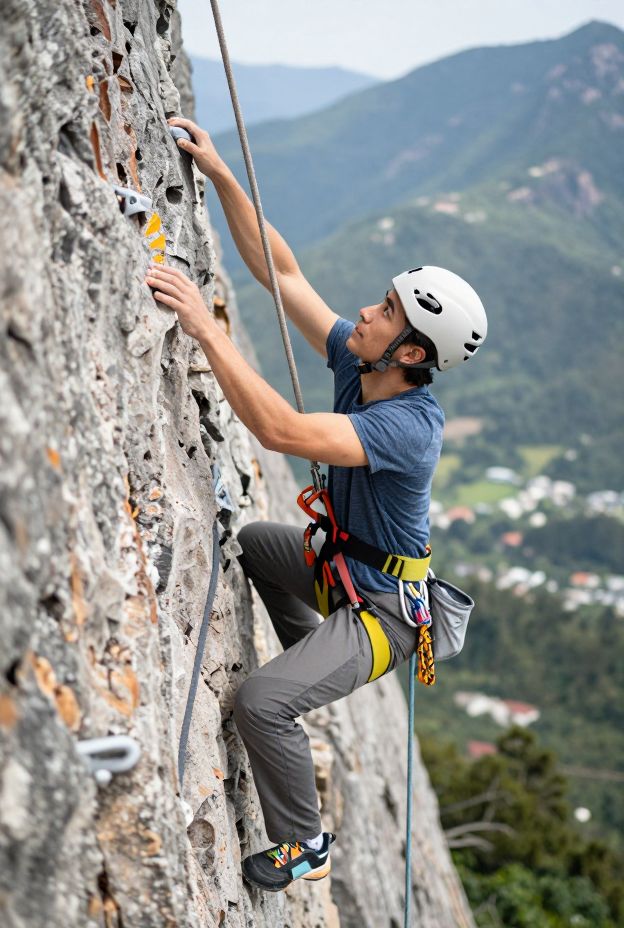
You’ll build serious upper body strength without realizing you’re exercising. Climbing teaches problem-solving skills as you plot your route upward. Kids absolutely love the challenge, and watching them conquer fears is pretty special for parents.
Getting Started Safely
Start with bouldering (climbing without ropes at lower heights) or top-rope climbing at a gym. Take a beginner class to learn proper techniques. Once you’re comfortable, outdoor climbing with experienced guides opens up incredible natural locations.
4. Kayaking and Canoeing
Paddling across glassy morning waters while wildlife wakes up around you creates those peaceful summer moments you’ll remember forever. Kayaking and canoeing let you explore waterways at your own pace, from calm lakes to gentle rivers. You can pack a picnic, stop on islands, and swim wherever looks inviting.
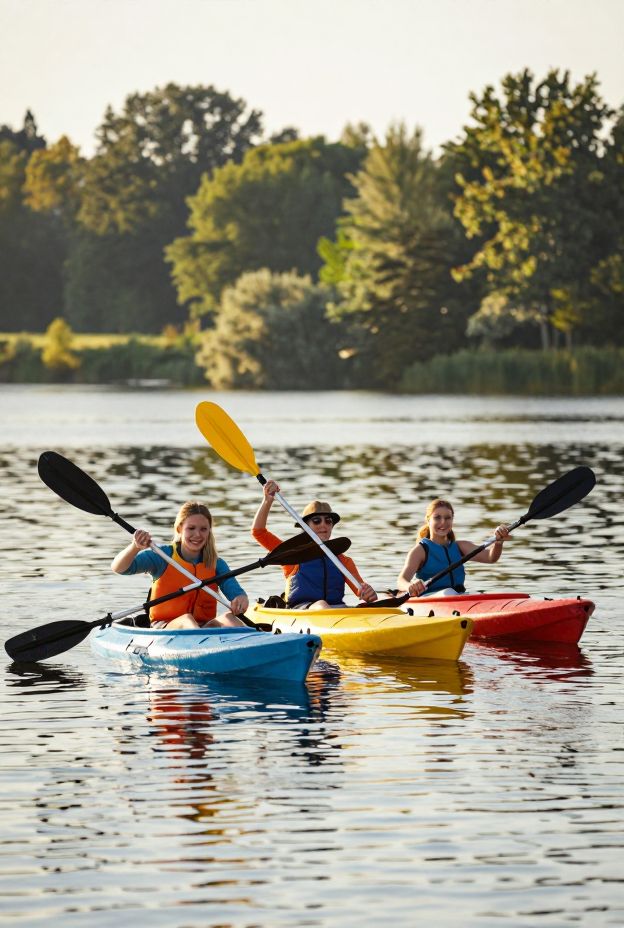
Kayaks work great for solo paddlers or pairs, while canoes fit the whole family plus your gear. The learning curve is gentle enough that most people figure out the basics within their first hour. Just prepare to discover muscles you forgot existed the next day.
Best Waters for Beginners
- Calm lakes with minimal boat traffic
- Slow-moving rivers without rapids
- Protected bays shielded from ocean waves
- Nature preserves with marked water trails
5. Mountain Biking
Trading smooth pavement for dirt trails adds a whole new dimension to cycling. Mountain biking challenges your balance, reflexes, and courage as you navigate roots, rocks, and winding singletrack. The combination of speed, technical skill, and gorgeous scenery makes every ride an adventure.
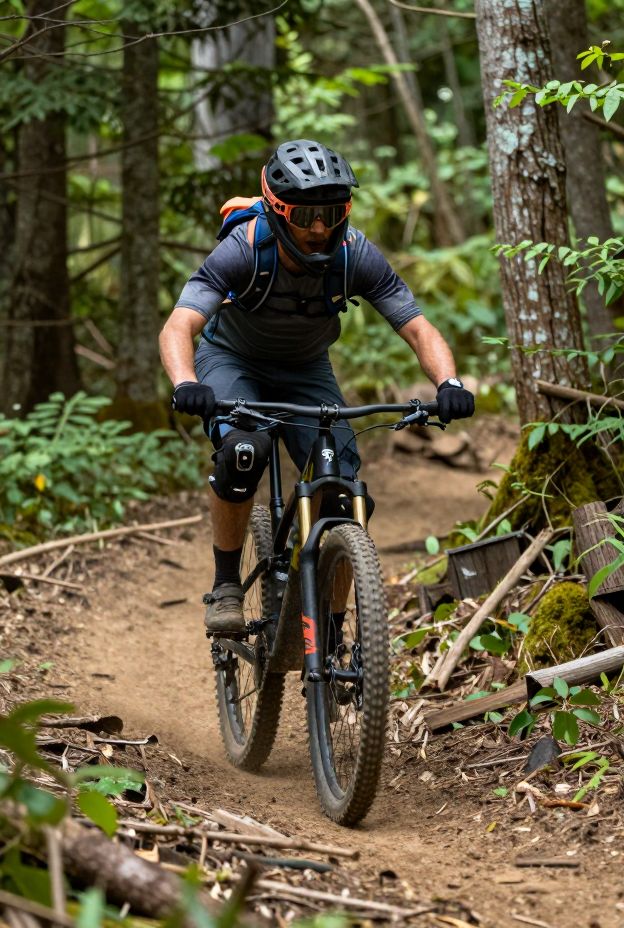
Start on beginner-friendly trails marked “green” at most trail systems. You’ll gradually build confidence before tackling more challenging terrain. Don’t skip getting a properly fitted helmet and gloves because trust me, you’ll eventually test them out.
Trail Etiquette 101
Yield to hikers and horses. Call out “on your left” when passing. Stay on marked trails to protect the environment. Pack out everything you pack in, including those granola bar wrappers.
6. National Park Camping
Sleeping under star-filled skies in a national park connects you with nature in ways hotels never can. Yellowstone, Yosemite, and the Grand Canyon offer iconic landscapes plus excellent campgrounds with amenities. Kids gain independence helping set up tents, cook over campfires, and navigate trails.
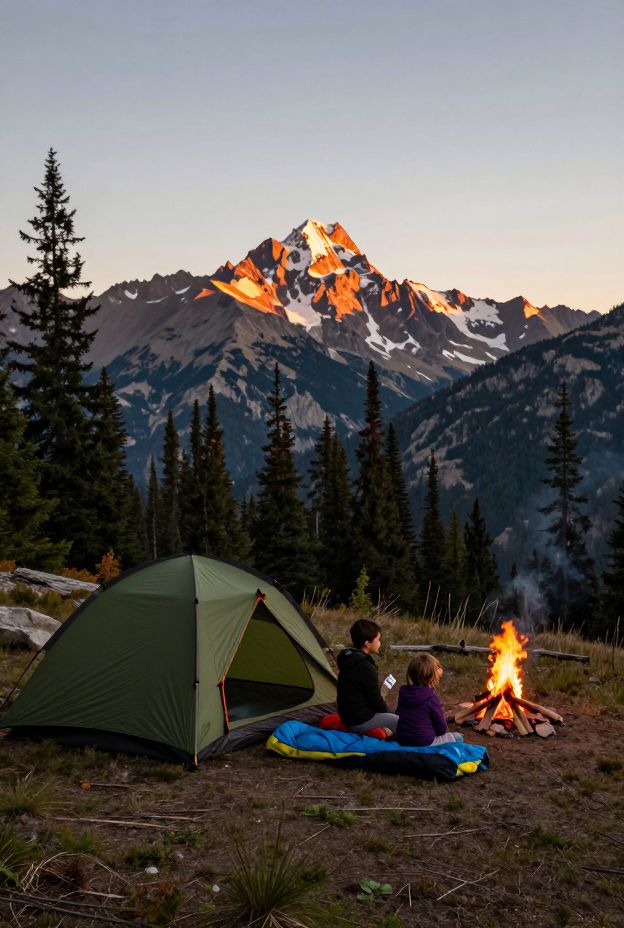
Summer camping means warm nights, longer days, and active wildlife (from a safe distance, obviously). Rangers offer free educational programs perfect for curious minds. The digital detox alone makes camping worth it, though good luck explaining that to teenagers.
Camping Essentials
- Quality sleeping bags rated for nighttime temperatures
- Headlamps for everyone (flashlights are never where you need them)
- Camp stove plus backup lighter/matches
- First aid kit and any necessary medications
- Bear-safe food storage following park regulations
7. Beach Exploration and Tide Pooling
Forget just sunbathing. Tide pooling turns beach visits into marine biology field trips where you discover crabs, sea stars, anemones, and tiny fish trapped in shallow pools. Low tide reveals a hidden underwater world usually covered by waves. Kids become instant scientists examining each new creature they find.
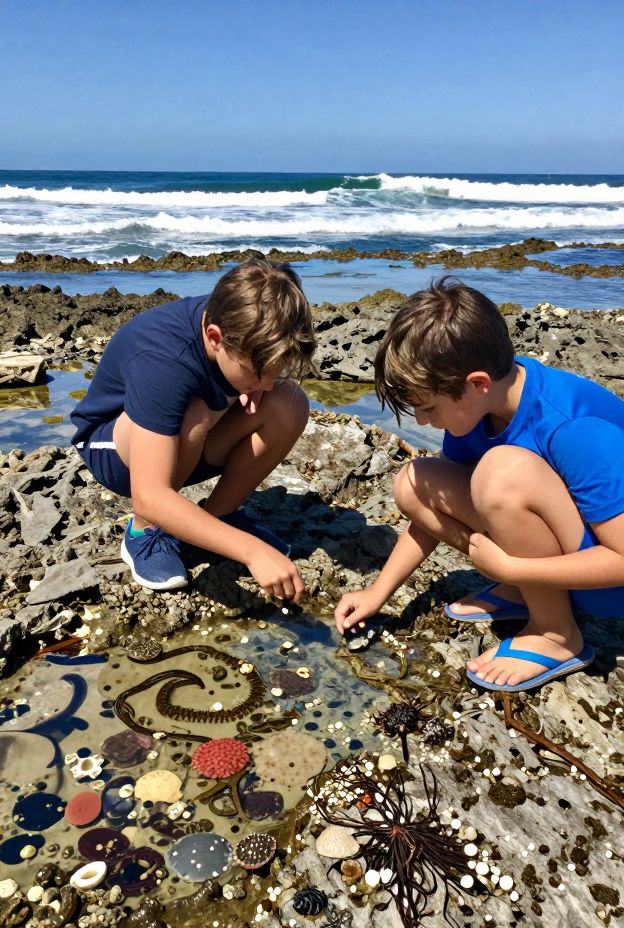
Rocky coastlines offer the best tide pooling, especially during spring low tides. Bring a waterproof guidebook to identify your discoveries. The rule? Look but don’t touch excessively, and never remove anything from its habitat.
Best Time to Visit
Check tide charts for the lowest tides, typically early morning or late afternoon. Visit during “minus tides” for the most exposed pools. Wear shoes with good grip because wet rocks are slippery enemies.
8. Sandboarding on Dunes
Snowboarding’s summer cousin lets you carve down sandy slopes without freezing temperatures or expensive lift tickets. Sand dunes provide forgiving landings when you wipe out (and you will). The soft surface means beginners can progress faster without the fear factor of hard-packed snow.
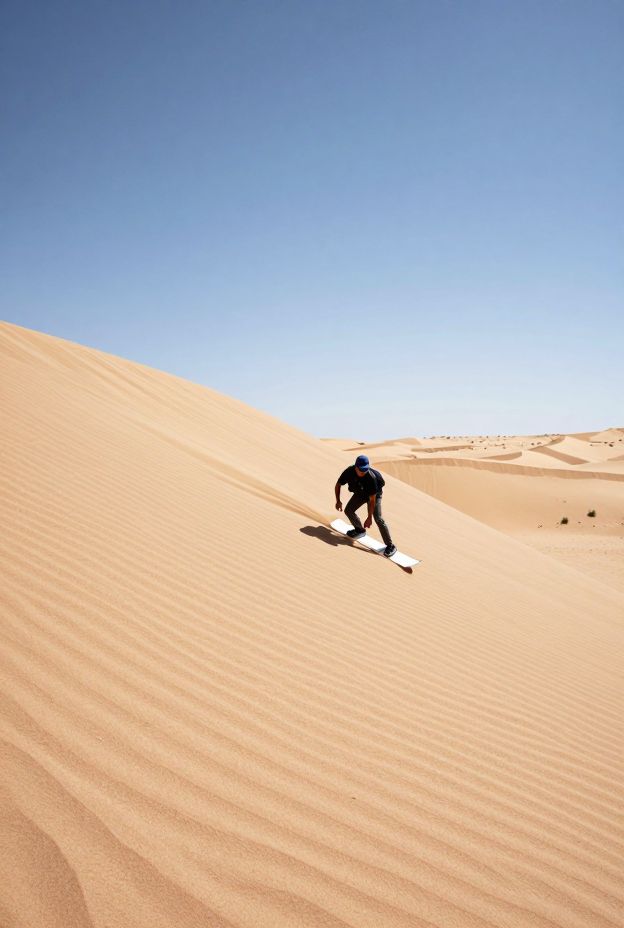
Rent or buy a sandboard designed specifically for sand, not snow. Wax the bottom regularly for maximum speed. Climbing back up the dunes between runs counts as your cardio for the day.
Top Sandboarding Locations
Great Sand Dunes National Park in Colorado offers towering dunes up to 750 feet tall. Oregon’s dunes stretch along the coast with ocean views. Dubai’s desert dunes provide year-round boarding if you don’t mind the heat.
9. Hiking to Waterfalls
Waterfalls reward hikers with natural beauty and refreshing mist after the trek in. Waterfall hikes give everyone a clear goal to reach, making them perfect for motivating reluctant young hikers. That first glimpse of cascading water after rounding a bend? Pure magic every single time.
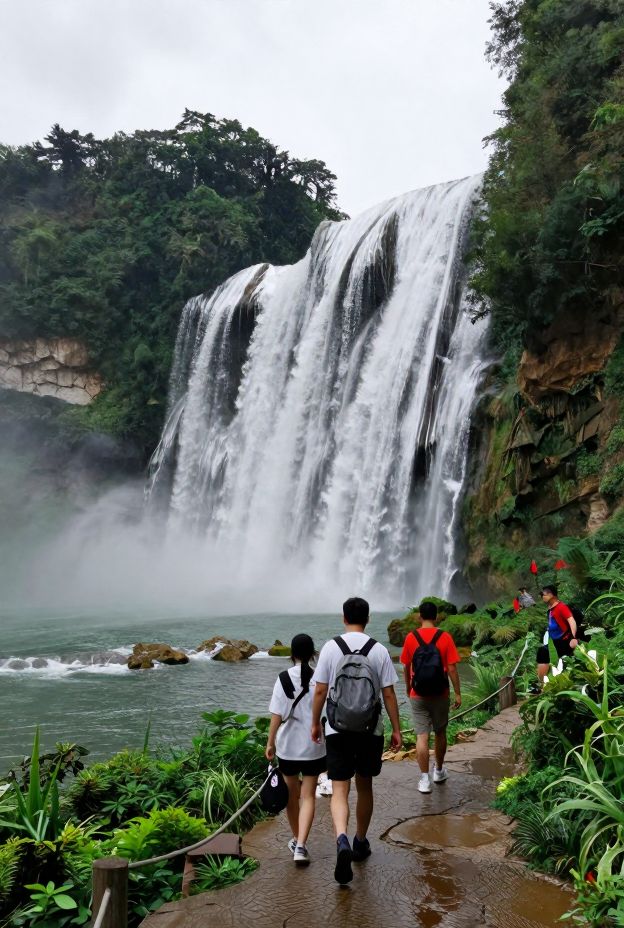
Summer means higher water flow from snowmelt in many regions. Research trail difficulty beforehand since some waterfall hikes involve steep climbs or slippery rocks. Pack swimsuits if the destination allows swimming because who can resist jumping into that pool at the bottom?
Photography Tips
Visit during golden hour for the best lighting. Use a slower shutter speed to capture that silky water effect. Include people in shots to show the waterfall’s impressive scale.
10. Wildlife Safari Adventures
You don’t need to fly to Africa for safari experiences. Yellowstone, Everglades, and Alaska offer incredible wildlife viewing from the safety of vehicles or boats. Watching bison herds, spotting bears fishing for salmon, or seeing alligators sunbathe creates stories you’ll retell for years.
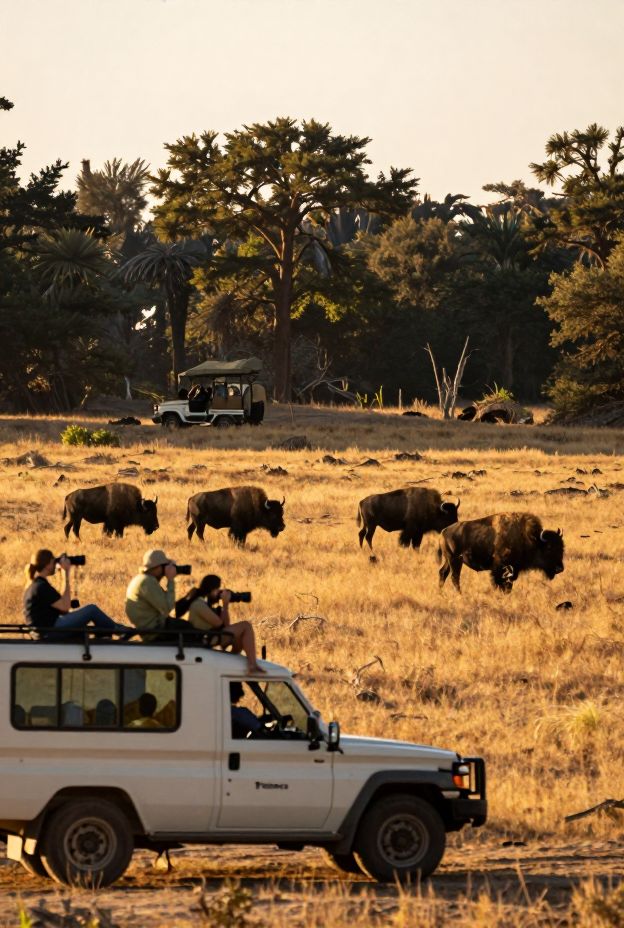
Early morning and late afternoon provide the best wildlife activity. Bring binoculars and a zoom lens for your camera. Remember the golden rule: if an animal changes its behavior because of you, you’re too close.
What to Pack
- Binoculars for distant viewing
- Field guides to identify species
- Neutral-colored clothing that doesn’t startle animals
- Patience because nature follows its own schedule
11. Snorkeling and Scuba Diving
The underwater world rivals any fantasy movie with its colors, creatures, and coral formations. Snorkeling offers easy access to shallow reefs perfect for families, while scuba diving opens up deeper exploration for certified divers. Seeing a sea turtle glide past you underwater ranks among life’s most peaceful moments.
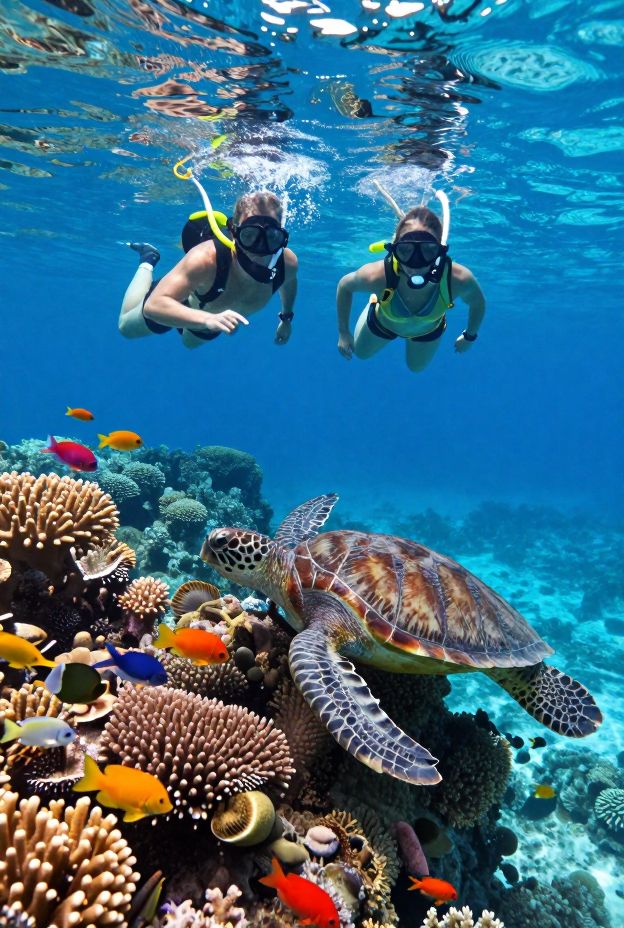
Warm summer waters mean comfortable extended sessions without thick wetsuits. Tropical destinations like Hawaii, Florida Keys, and Caribbean islands provide excellent visibility and diverse marine life. Even lakes and quarries offer interesting underwater landscapes for freshwater snorkeling.
First-Timer Advice
Master breathing through your snorkel in shallow water before venturing deeper. Anti-fog spray for your mask prevents constant frustration. Take a discovery scuba class before committing to full certification if you’re curious about diving.
12. Tree Climbing
Remember scrambling up trees as a kid? Recreational tree climbing brings that joy back with safety equipment and proper techniques. Climbing offers a unique perspective of forests while providing a full-body workout. Kids naturally excel at this activity, often outpacing nervous parents.
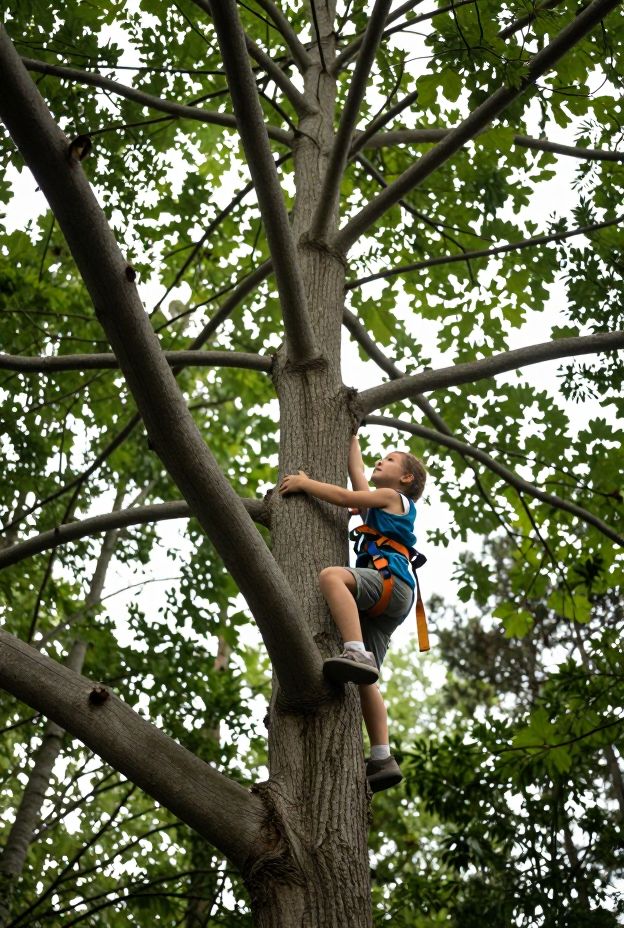
Look for the perfect climbing tree with sturdy, well-spaced branches and no obvious hazards. Some adventure centers offer assisted tree climbing with ropes and harnesses. The view from up there reminds you how differently the world looks from different angles.
Safety First
Inspect branches for rot or weakness before trusting your weight. Wear closed-toe shoes with good grip. Climb with a buddy who can get help if needed. Set height limits appropriate for skill levels.
13. Outdoor Scavenger Hunts
Nature scavenger hunts transform regular hikes into exciting quests where kids actively engage with their surroundings. Create lists of items to find like specific leaves, animal tracks, interesting rocks, or wildflowers. Suddenly, that two-mile trail becomes an adventure instead of a chore.
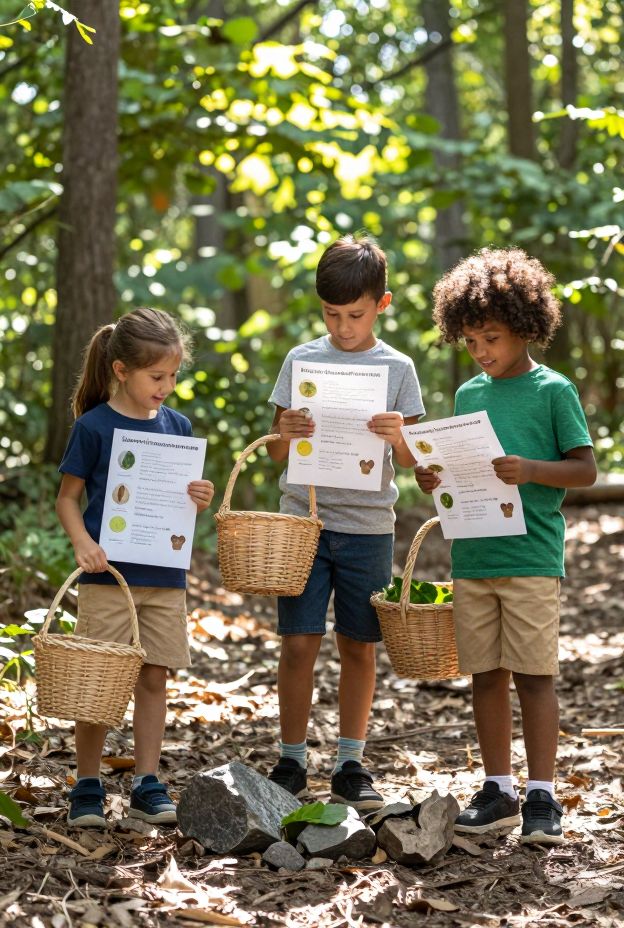
Download pre-made scavenger hunt lists or create custom ones matching your location. Award small prizes for completed lists to boost motivation. The searching sharpens observation skills while teaching about local ecosystems.
Scavenger Hunt Ideas
- Color hunt: Find natural items in every color of the rainbow
- Texture hunt: Locate things that are rough, smooth, fuzzy, prickly
- Alphabet hunt: Find items starting with each letter A-Z
- Wildlife signs: Spot tracks, feathers, scat, nests
14. Hot Air Balloon Rides
Floating silently above landscapes in a hot air balloon feels surreal and surprisingly peaceful. Balloon rides offer 360-degree views without the noise of airplane engines or helicopter rotors. You drift wherever the wind takes you, making each flight unique and unpredictable.
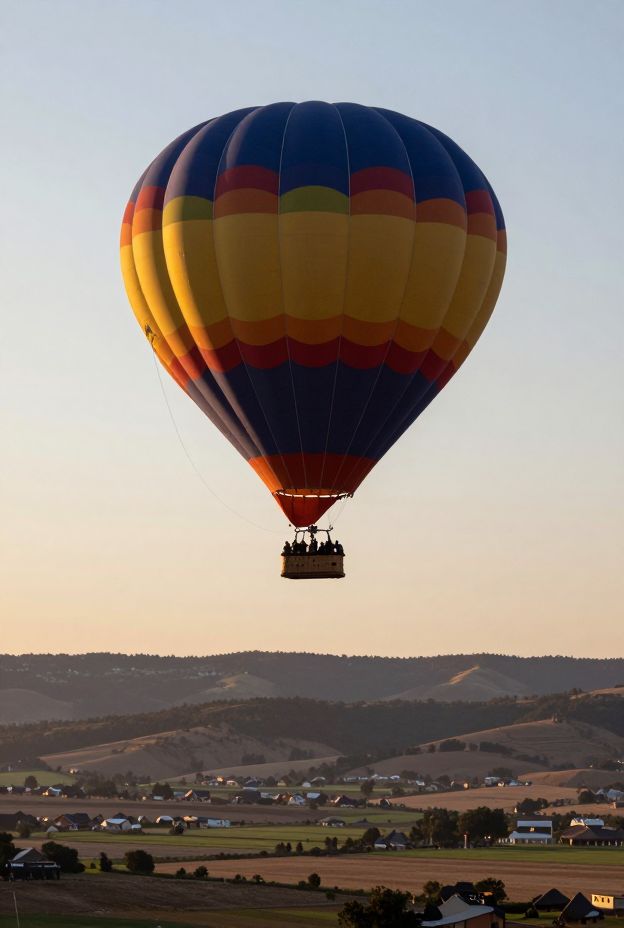
Most flights launch at sunrise when winds are calmest and lighting is magical. The experience typically lasts 1-2 hours including setup and landing. Companies usually provide champagne toasts upon landing, though grape juice works fine for kids celebrating their first flight.
What to Expect
Dress in layers since temperatures drop with altitude. Wear sturdy shoes for potentially rough landing sites. Height requirements vary by company, usually starting around age 6. Book well in advance during peak summer season.
15. Stargazing Adventures
Summer nights away from city lights reveal the universe in ways light pollution usually hides. Stargazing costs nothing but rewards you with meteor showers, satellite sightings, and countless stars impossible to count. Lying on blankets while identifying constellations creates surprisingly deep conversations with kids about space and our place in it.
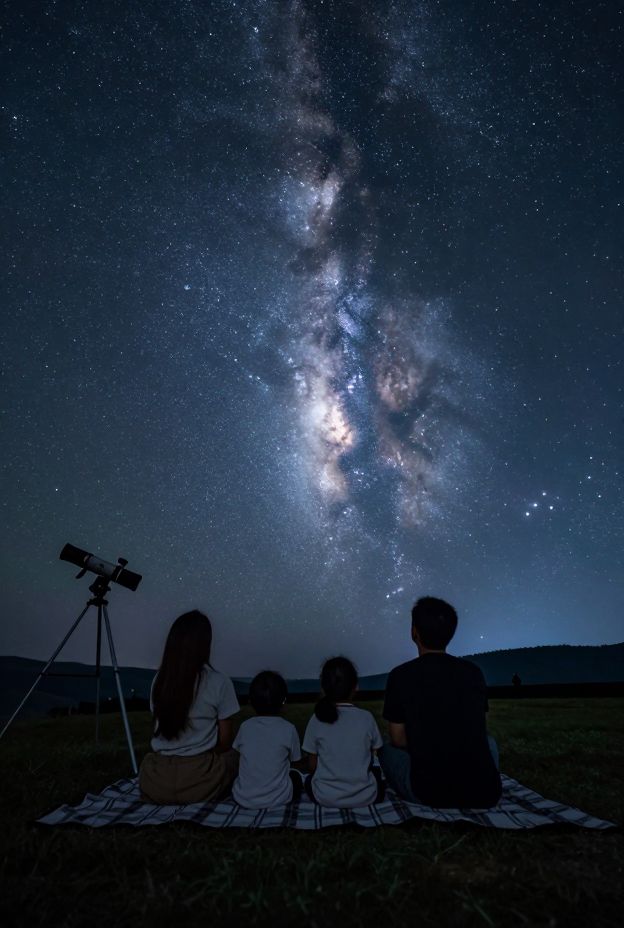
National parks offer some of the darkest skies in the country, with many hosting astronomy programs. Download stargazing apps that identify constellations when you point your phone skyward. August’s Perseid meteor shower provides the summer’s best celestial show with up to 60 shooting stars per hour.
Stargazing Gear
Red flashlights preserve night vision better than white lights. Binoculars reveal details invisible to naked eyes. Reclining chairs beat lying on the ground after 30 minutes. Blankets, hot chocolate, and patience complete the experience.
Making It Happen
Summer adventures don’t require massive budgets or extreme skills. They just need willingness to try something new and step away from screens. Start with one activity from this list, then build from there. Your summer memories are waiting out there somewhere between the couch and the great outdoors.
The best part about adventure? It looks different for everyone. What terrifies one person thrills another. So pick activities matching your comfort zone, then maybe push that zone just a little bit. That’s where the good stories live.