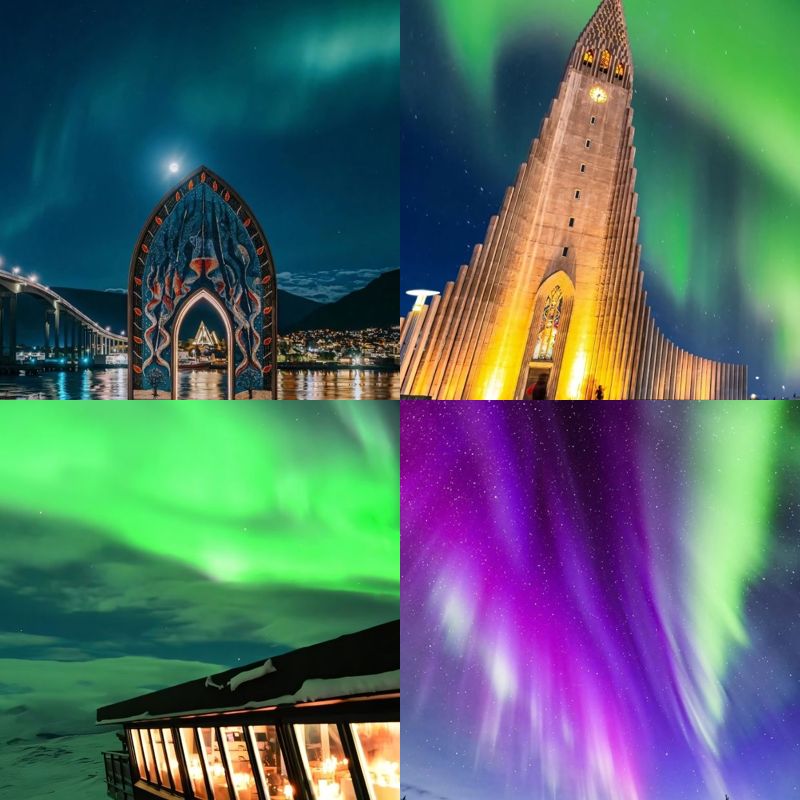
Picture this: you’re standing in the middle of nowhere, it’s freezing cold, your nose is running, and suddenly the sky explodes in curtains of green and purple light. Yep — that’s the Aurora Borealis, and it’s every bit as life-changing as people say. I’ve been obsessed with chasing the northern lights for years, and trust me, once you see them in person, every travel plan you make afterward revolves around catching them again. So if you’re ready to witness one of nature’s greatest shows, here are the 11 best places in the world to see the Aurora Borealis up close.
1. Tromsø, Norway — The Aurora Capital of the World
Let’s kick things off with the obvious crowd favorite. Tromsø sits well above the Arctic Circle at 69°N, right in the heart of the auroral zone. This city is basically built for aurora chasers — it has tour operators, aurora forecasts, and a whole culture around the northern lights. The best part? You don’t have to rough it in the wilderness to see the show.
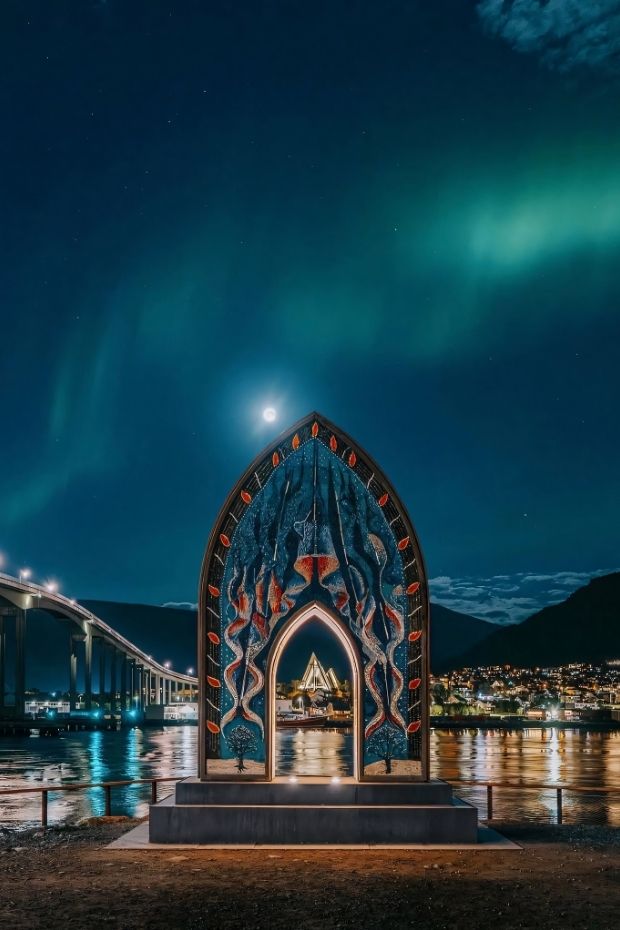
The best time to visit is September through March, when the nights are long and dark. You can pair your aurora hunt with dog sledding, fjord cruises, and some seriously good reindeer stew. FYI, Tromsø also has more pubs per capita than anywhere else in Norway — so if the lights don’t show, you’ve still got a good night ahead 🙂
- Best months: September to March
- Top tip: Get away from the city center to cut light pollution
- Bonus activity: Reindeer sledding under the stars
2. Iceland — Aurora Over Waterfalls and Hot Springs
Iceland is probably the most Instagram-worthy place to chase the aurora, and honestly, it earns that reputation. The island sits right on the auroral oval, and with almost zero light pollution outside Reykjavík, you can see the lights dancing above glaciers, lava fields, and roaring waterfalls. Could this destination get any more dramatic? Didn’t think so.
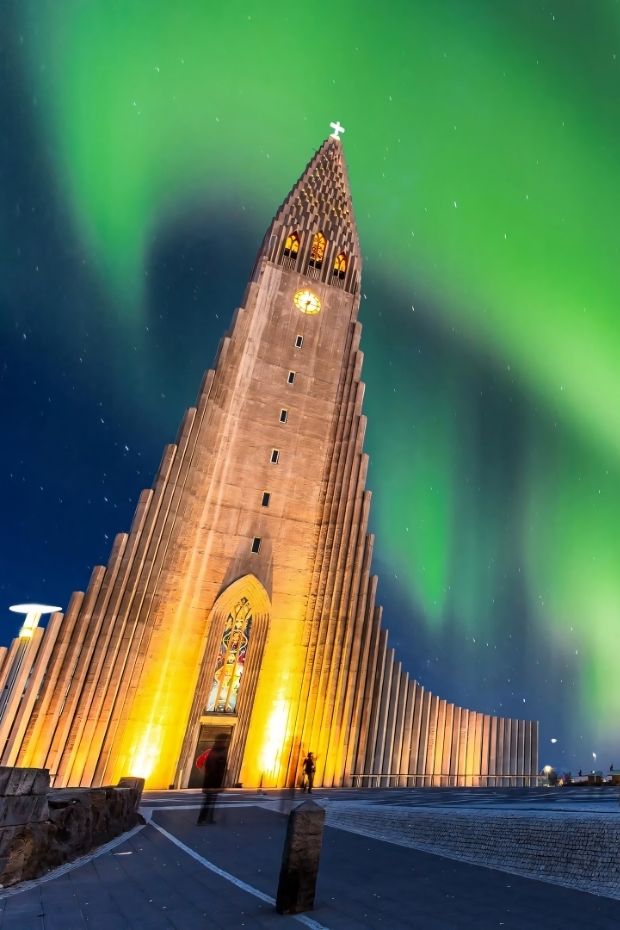
The aurora season runs from late August to early April, making it one of the longest viewing windows worldwide. Head to the Snæfellsnes Peninsula or Jökulsárlón Glacier Lagoon for views that will genuinely make your jaw drop. Pro tip: book a stay at a remote guesthouse like Hotel Ranga, which sits far enough from Reykjavík to offer dark skies and even has aurora wake-up calls for guests.
- Best months: October to February
- Top tip: Drive at least 30 minutes out of Reykjavík for clearer skies
- Bonus activity: Soaking in a hot spring while watching the lights
3. Abisko, Sweden — Home of the Aurora Sky Station
Abisko National Park in Swedish Lapland is a bit of a hidden gem, but serious aurora hunters already know about it. The park sits in a unique microclimate created by surrounding mountains that block clouds from rolling in — giving it more clear nights than almost anywhere else in Scandinavia. It’s basically a cheat code for aurora viewing.
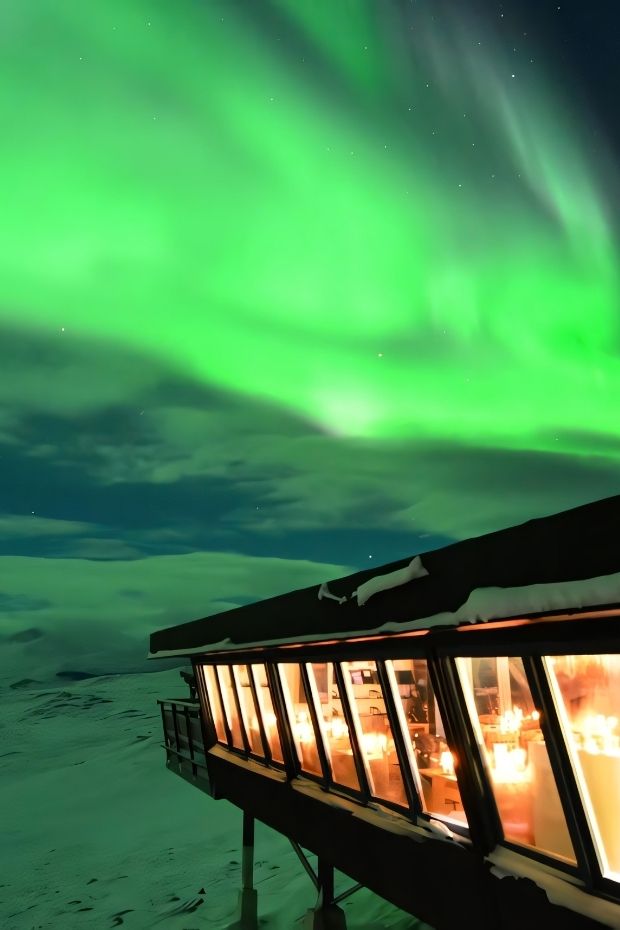
The star attraction here is the Aurora Sky Station, accessible by chairlift, which puts you above the tree line with a panoramic view of the sky. The station runs from mid-November to March. Abisko also offers dog sledding and snowshoeing, so you won’t run out of things to do between aurora sessions.
- Best months: November to March
- Top tip: Book the Aurora Sky Station evening package in advance — it sells out fast
- Bonus activity: Snowmobile tours through Lapland forests
4. Rovaniemi, Finland — Santa’s Town Has a Surprise for You
Most people know Rovaniemi as the official hometown of Santa Claus. What fewer people realize is that it also sits right on the Arctic Circle and offers spectacular northern lights experiences. The Finnish Lapland region logs aurora sightings on roughly 200 nights per year — that’s an insane hit rate compared to most destinations.
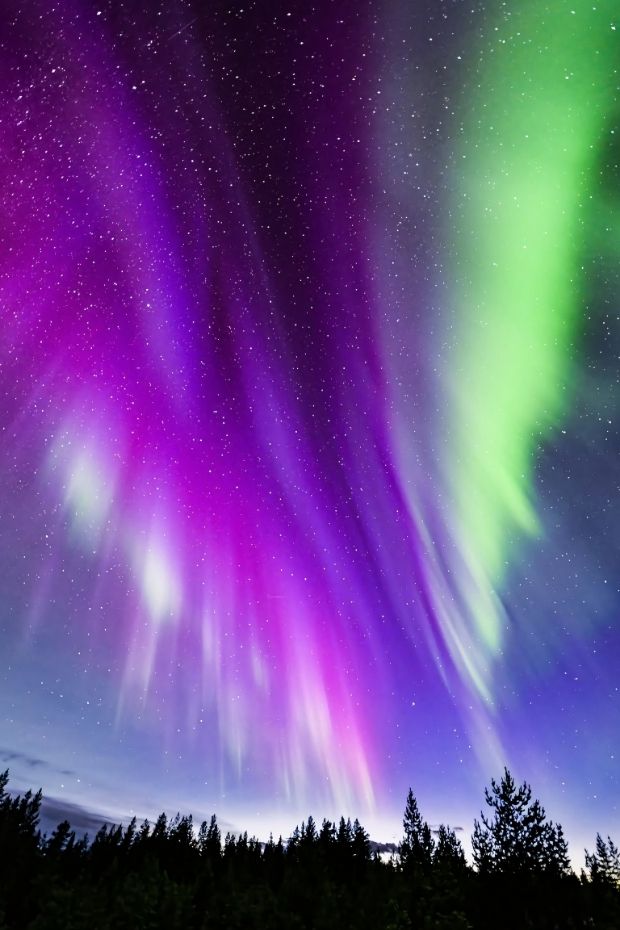
You can stay in a glass igloo and watch the aurora from the comfort of your heated bed. Some resorts even offer aurora alerts so you don’t miss a thing. Rovaniemi is particularly family-friendly, making it a great pick if you want to combine a Christmas-themed trip with an unforgettable light show.
- Best months: September to March
- Top tip: Book a glass igloo 6 to 12 months ahead — these fill up fast
- Bonus activity: Reindeer farm visits and husky safaris
5. Fairbanks, Alaska — America’s Best Aurora Seat
Want to chase the lights without leaving North America? Fairbanks, Alaska is your answer. Positioned just two degrees south of the Arctic Circle, it sits directly under the auroral oval and records some of the highest aurora frequencies in the world. The city even runs its own aurora forecasting service, which is genuinely useful when you’re planning your evenings.
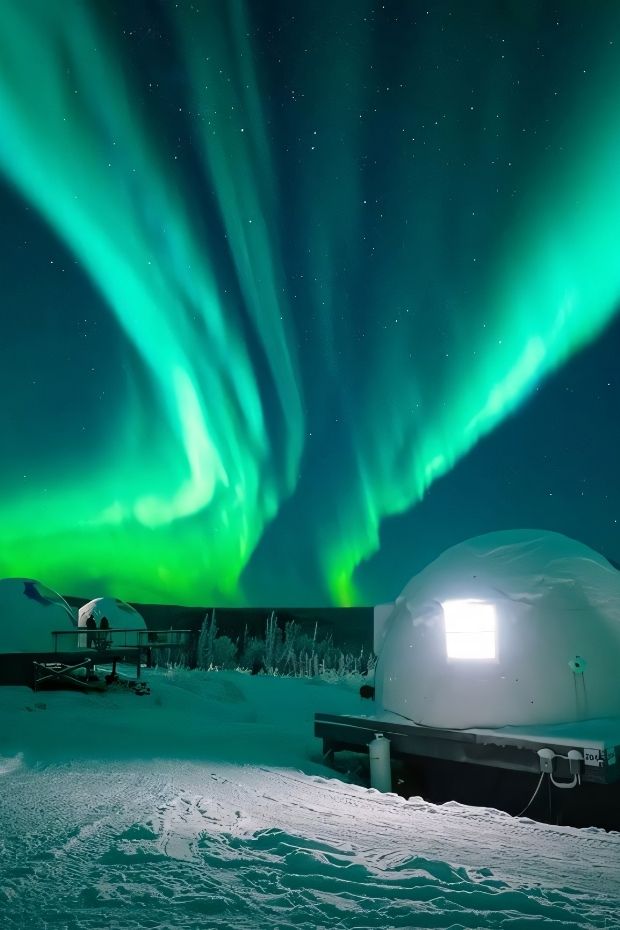
The nearby Chena Hot Springs Resort is a legendary spot — imagine soaking in geothermal waters with ribbons of green light above you. That’s the kind of experience that rewires your brain. The aurora season here runs from late August through mid-April, with the darkest and most reliable viewing from December to February.
- Best months: December to February
- Top tip: Download the UAF Geophysical Institute aurora forecast app before you go
- Bonus activity: Chena Hot Springs outdoor pool under the aurora
6. Yukon, Canada — Wild, Remote, and Absolutely Worth It
The Yukon Territory in northwestern Canada doesn’t get nearly as much hype as Norway or Iceland, which is exactly why you should consider it. The skies here are incredibly dark, the wilderness is vast, and the aurora activity is consistent thanks to its position within the auroral zone. Ever wonder what it feels like to be completely alone under the northern lights? The Yukon delivers that feeling.
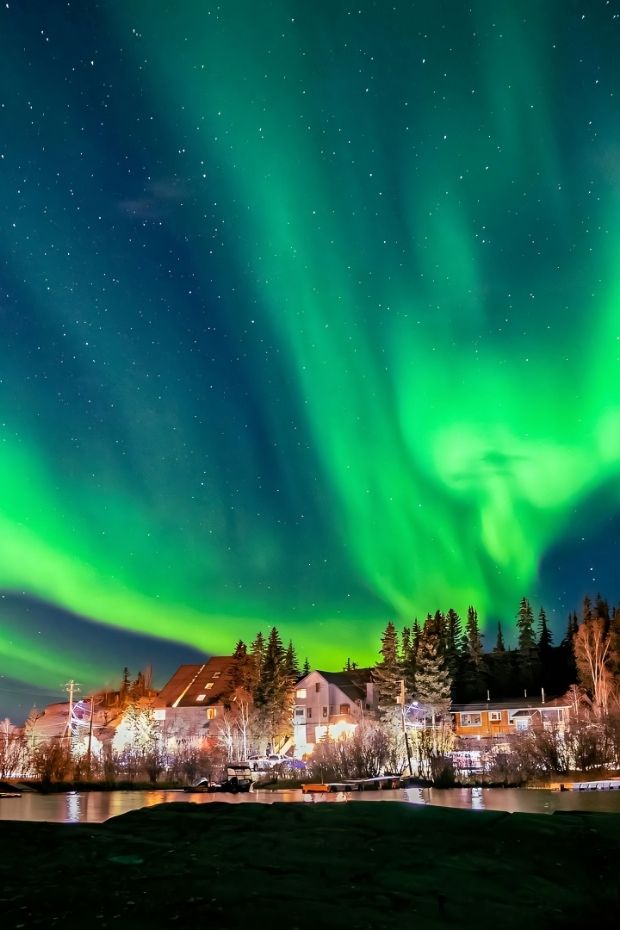
Whitehorse serves as the main hub, with guided tours heading out to dark-sky zones nightly. The best viewing season runs from August to April, but the shoulder months of August and September offer the added bonus of autumn colors reflecting in still lakes beneath the aurora.
- Best months: August to April
- Top tip: Join a guided dark-sky tour out of Whitehorse for the best access
- Bonus activity: Canoeing and wildlife spotting during the day
7. Svalbard, Norway — Polar Night, Zero Light Pollution
Svalbard is as remote as it gets — an archipelago halfway between mainland Norway and the North Pole. From November to January, the sun doesn’t rise at all, meaning you get 24 hours of darkness every single day. If that sounds extreme, it is. But it also means you can see the aurora at literally any hour without waiting for nightfall.
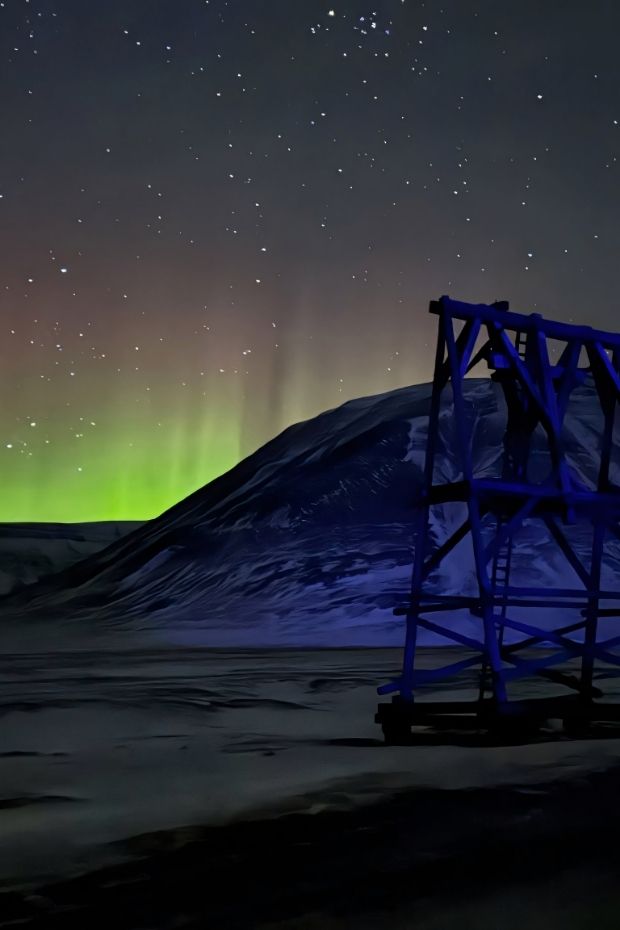
The total absence of light pollution combined with near-constant darkness makes Svalbard one of the most reliable aurora destinations on the planet. The main town of Longyearbyen offers guided snowmobile safaris, polar bear safaris (with armed guides — not optional), and cozy lodge experiences after your aurora hunt.
- Best months: November to February
- Top tip: Dress in serious arctic-grade layers — temperatures regularly drop below -20°C
- Bonus activity: Polar bear spotting and glacier hikes
8. Lofoten Islands, Norway — The Most Photogenic Aurora on Earth
IMO, the Lofoten Islands produce the most jaw-dropping aurora photographs in the world. The dramatic combination of jagged mountain peaks, tiny red fishing cabins, and mirror-flat fjords creates a foreground that makes any aurora photo look like a painting. The islands sit above the Arctic Circle and fall directly within the auroral zone, so sightings are frequent and vivid.
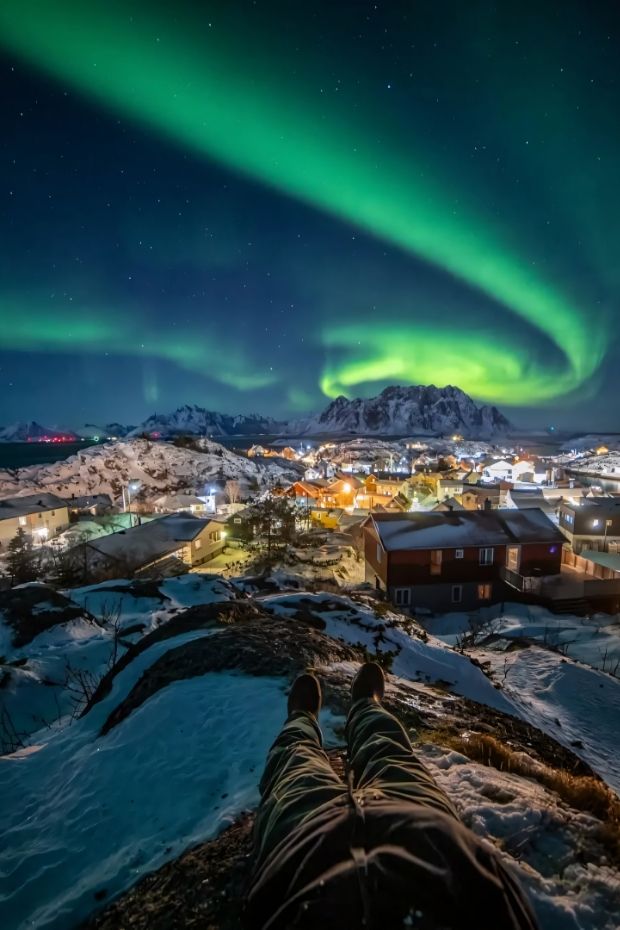
The trade-off is that Lofoten weather is notoriously unpredictable — cloud cover can ruin a perfectly good aurora night in minutes. The best strategy is to spend at least a week there and chase clear skies across the islands by car. Stay in a traditional rorbu (fisherman’s cabin) for the full atmospheric experience.
- Best months: October to February
- Top tip: Rent a car so you can chase clear sky patches across the islands
- Bonus activity: Hiking, kayaking, and surf fishing
9. Greenland — The Untouched Aurora Frontier
If you want to feel like you’ve truly discovered something, Greenland is it. The island is enormous, sparsely populated, and packed with some of the darkest skies on the planet. Towns like Kangerlussuaq and Ilulissat sit inside the auroral oval and see the lights frequently — and here, you share that experience with almost no one else.
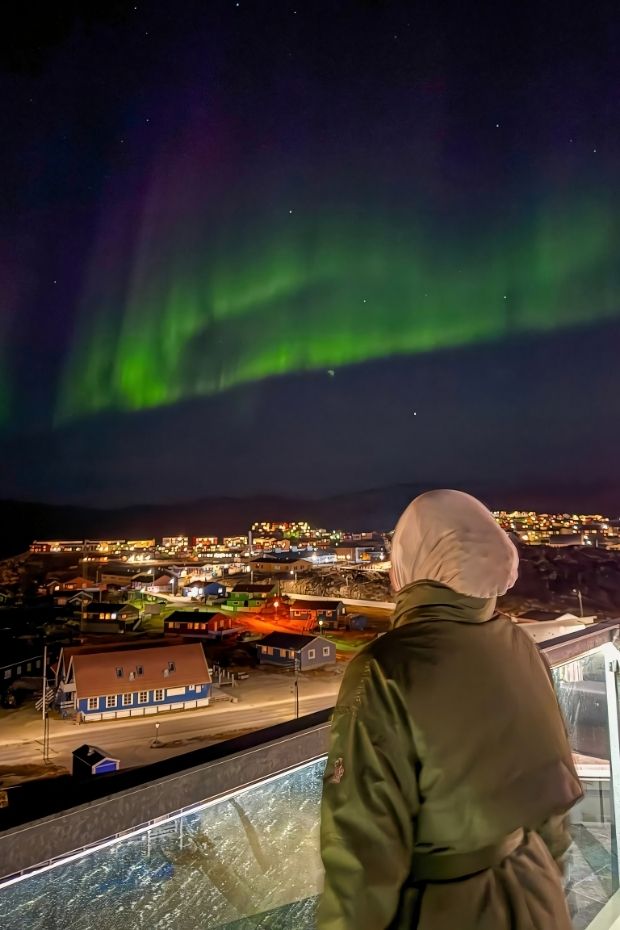
Getting to Greenland takes a bit of effort and budget, but the reward is an aurora experience that feels genuinely remote and awe-inspiring. The ice sheet, dog sled routes, and icebergs all serve as stunning backdrops. The best viewing season runs from September to April, with February and March being the statistical sweet spot.
- Best months: February to March
- Top tip: Fly into Kangerlussuaq for the best inland dark-sky access
- Bonus activity: Dog sledding across the ice sheet
10. Scottish Highlands, Scotland — Surprisingly Brilliant
Wait — Scotland? Yep, you read that right. The Scottish Highlands sit far enough north and have enough dark, rural sky to catch the aurora borealis during periods of strong geomagnetic activity. Spots like Caithness, Orkney, and the Isle of Skye regularly produce stunning aurora sightings without requiring a transatlantic flight.
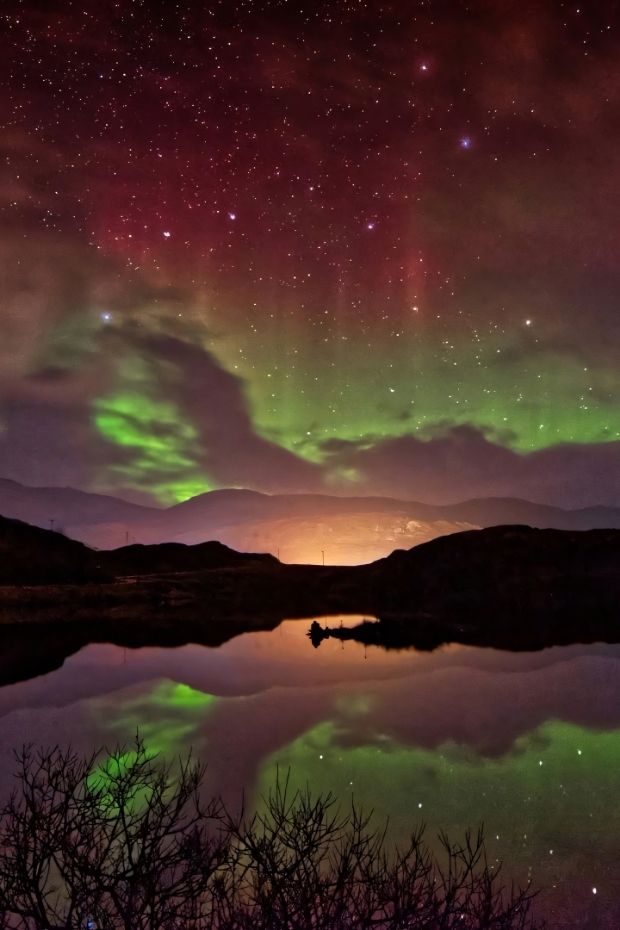
The aurora appears here mainly during strong solar storm events (KP index 4 and above), so you need to keep an eye on space weather forecasts. But when the conditions align, watching the northern lights ripple above a ruined Scottish castle is a scene that belongs in a movie. The best chances fall between October and March on clear, moonless nights away from city lights.
- Best months: October to March during high solar activity
- Top tip: Use the SpaceWeatherLive app to monitor the KP index daily
- Bonus activity: Whisky distillery tours and castle hopping
11. Hokkaido, Japan — The Aurora You Didn’t See Coming
This one surprises almost everyone. Hokkaido, Japan’s northernmost island, sits at roughly 44° to 45°N — lower than ideal for regular aurora sightings. But during strong solar maximum periods like 2025 and 2026, it catches the aurora borealis in breathtaking form. In 2024, Japan experienced some of its most intense aurora displays in decades, with social media lighting up (pun intended) with photos from Hokkaido and even further south.
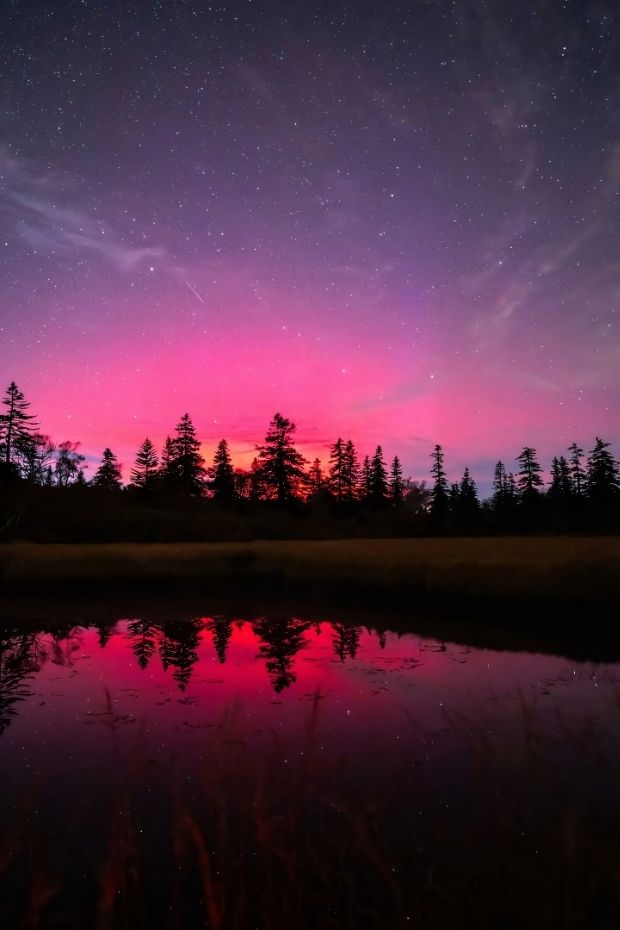
The combination of snowy landscapes, traditional onsen (hot springs), and aurora visibility makes Hokkaido one of the most unique aurora experiences available. It’s not a guaranteed sighting the way Tromsø or Abisko are, but if you’re already planning a Japan winter trip, the payoff potential is enormous — and the food alone is worth the flight 🙂
- Best months: December to February during high solar activity
- Top tip: Stay in Abashiri or Wakkanai for the northernmost and darkest skies
- Bonus activity: Drift ice observation tours and hot spring resorts
Quick Tips Before You Book That Flight
Before you pack your bags and disappear into the Arctic, here are a few things that will seriously improve your aurora hunting odds:
- Best overall season: September through mid-April, with January to March being the peak window worldwide
- Track the KP index: A KP of 3 or above gives great chances in the high-latitude destinations; KP 5+ means even mid-latitude spots like Scotland can deliver
- Escape light pollution: Even a 20-minute drive from a town center makes a massive difference in what you see
- Check the moon phase: A new moon or crescent moon means darker skies and more vivid aurora colors
- Dress for Arctic conditions: Hypothermia is real; pack thermal base layers, insulated outerwear, and hand warmers — you’ll thank yourself at 2am in the field
- Be patient: The lights can appear for 10 minutes and vanish, or dance for hours. Either way, waiting is part of the experience
The Aurora Waits for No One — So Stop Waiting
The Aurora Borealis is one of those rare things in life that genuinely exceeds expectations. No photo, no video, no travel blog (yes, including this one) fully captures what it feels like to stand beneath those swirling lights in real life. Whether you choose Tromsø for reliability, Lofoten for beauty, or Hokkaido for the unexpected thrill, every one of these destinations will give you a story worth telling for the rest of your life.
We’re also sitting in one of the best solar maximum windows in over a decade right now, with aurora activity running high through 2025 and 2026. That’s not a coincidence — that’s the universe giving you a nudge. So pick your destination, watch the forecast, and go chase those lights. The sky is putting on the show of a lifetime, and honestly, you don’t want to miss it.