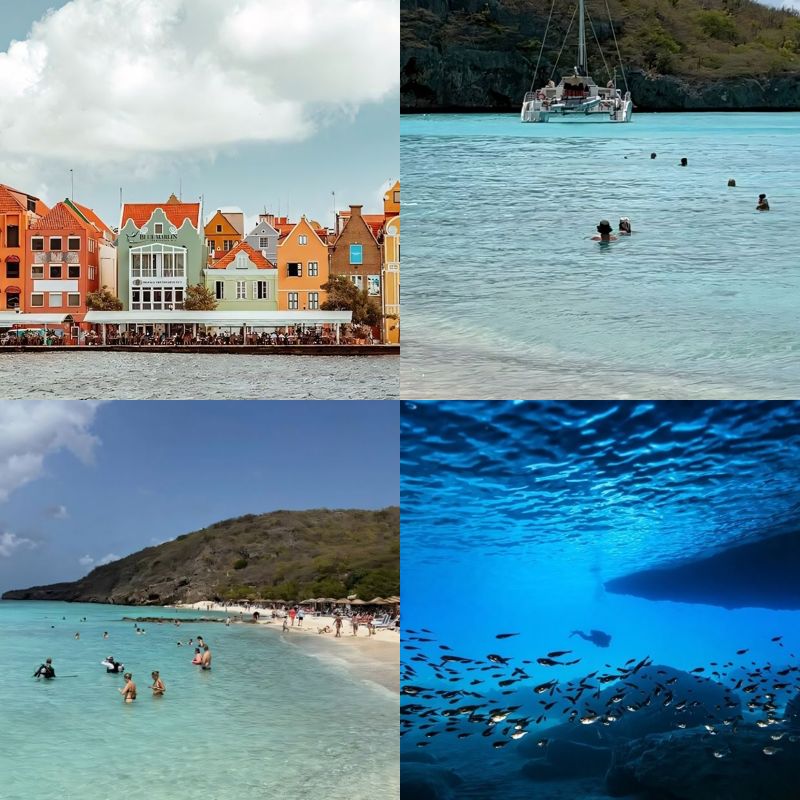
You know that feeling when someone mentions a Caribbean destination and you automatically picture the same crowded beach resorts? Yeah, Curaçao is not that place. This small Dutch Caribbean island sitting just 40 miles north of Venezuela punches so far above its weight that it honestly seems unfair to other islands. I’m not exaggerating — once you land here, you will genuinely wonder why you wasted so many vacations going anywhere else.
So whether you’re chasing crystal-clear water, Instagram-worthy architecture, or just an excuse to eat grilled fish on the beach every day, Curaçao delivers. Here are 12 stunning reasons to visit Curaçao island at least once in your life.
1. Willemstad Is a Walking, Breathing UNESCO World Heritage Site
Let’s start with the obvious showstopper. Willemstad, the capital of Curaçao, is one of the most photogenic cities in the entire Caribbean — and it holds UNESCO World Heritage status to prove it. The waterfront is lined with pastel-colored Dutch colonial buildings that look like someone cranked up the saturation slider to maximum.
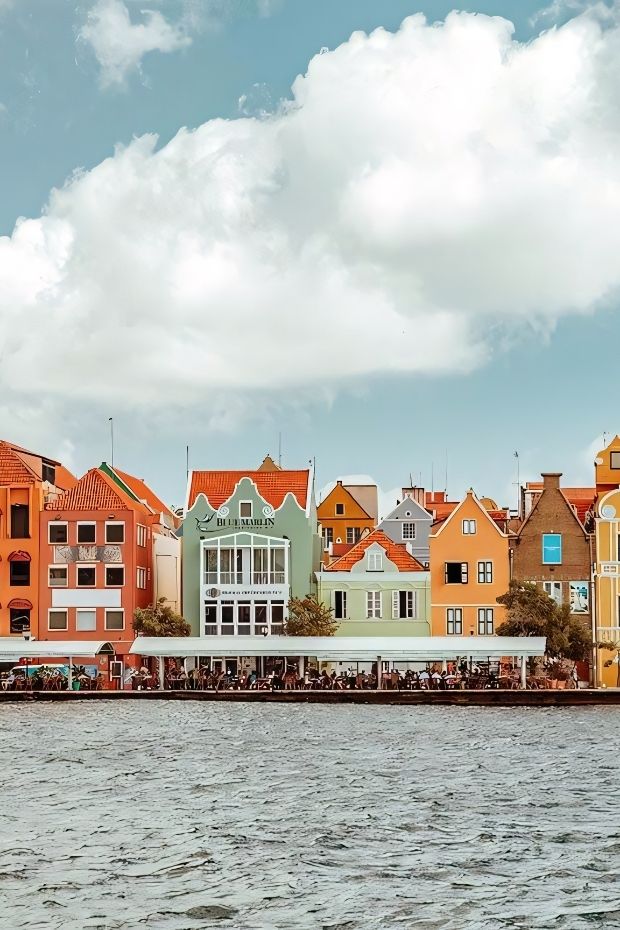
The two main districts, Punda and Otrobanda, sit on opposite sides of St. Anna Bay and connect via the famous Queen Emma Bridge — a floating pontoon bridge that locals affectionately call the “Swinging Old Lady.” The best part? When large ships pass through, the bridge swings open and a free ferry shuttles pedestrians across. It’s genuinely one of the coolest little moments you’ll experience on this island.
2. The Beaches Are Absolutely World-Class
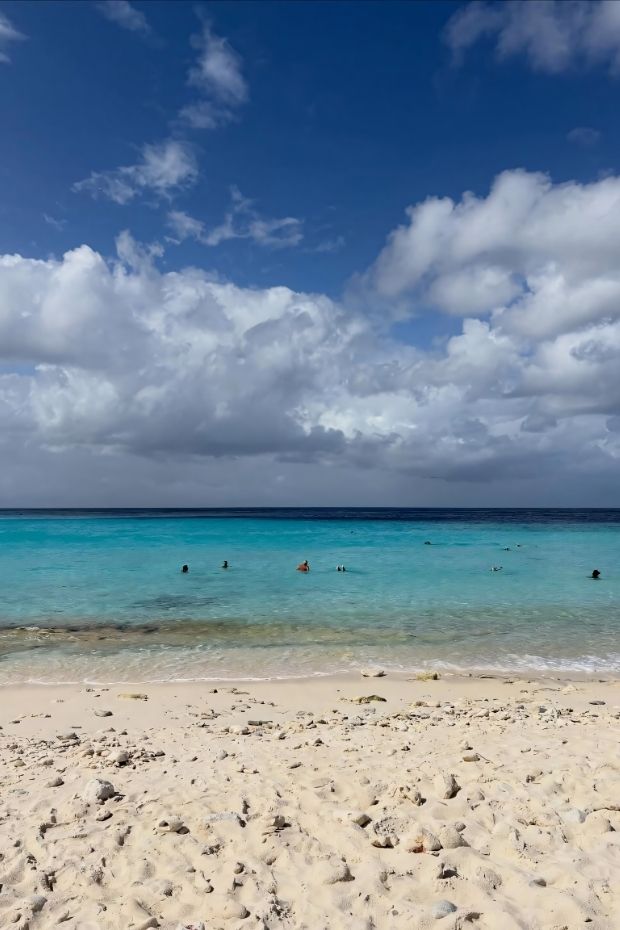
Curaçao boasts over 30 beaches on its southern coast, and every single one of them offers calm, crystal-clear turquoise water that’s perfect for swimming and snorkeling. The north coast? Wild and dramatic. The south coast? Pure paradise with current-free water that feels like swimming in a giant bathtub.
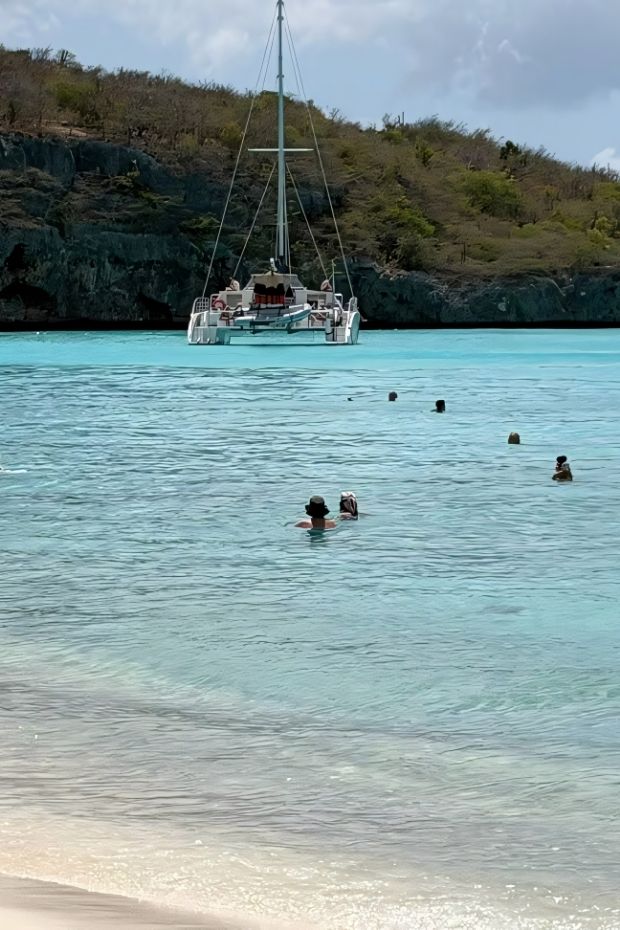
Top picks include:
- Playa Kenepa (Grote Knip) — arguably the most beautiful beach on the island, with powdery white sand and stunning turquoise water
- Cas Abao Beach — excellent snorkeling, great amenities, and the kind of scenery that makes you seriously consider never going home
- Playa Porto Mari — popular with divers and snorkelers, with a double reef system right off the beach
3. The Diving and Snorkeling Are Among the Best in the Caribbean
If you’re into underwater adventures, Curaçao is practically a religious experience. The island sits outside the hurricane belt, which means its reefs are intact, healthy, and absolutely teeming with life. We’re talking vibrant coral formations, sea turtles gliding past, colorful fish everywhere — the full package.
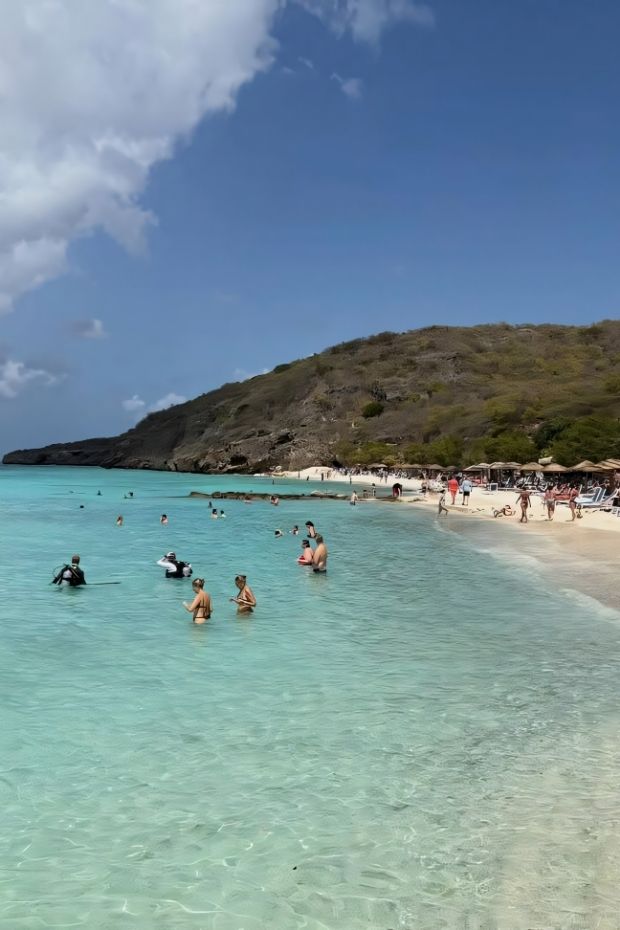
Even if you’re a total beginner, the water clarity here makes snorkeling incredibly rewarding. You don’t need to be a certified diver to see incredible marine life. Just grab a mask, stick your face in the water, and prepare to have your breath taken away — both literally and figuratively. 🙂
4. The Blue Room Cave Will Haunt You in the Best Way
Here’s a secret spot that not enough people talk about. The Blue Room Cave is a snorkeling experience unlike anything else on the island — you swim through a small underwater entrance and emerge inside a cave lit by the most surreal, deep-blue light filtering through the water. It’s dramatic, it’s otherworldly, and it’s 100% worth the swim in.
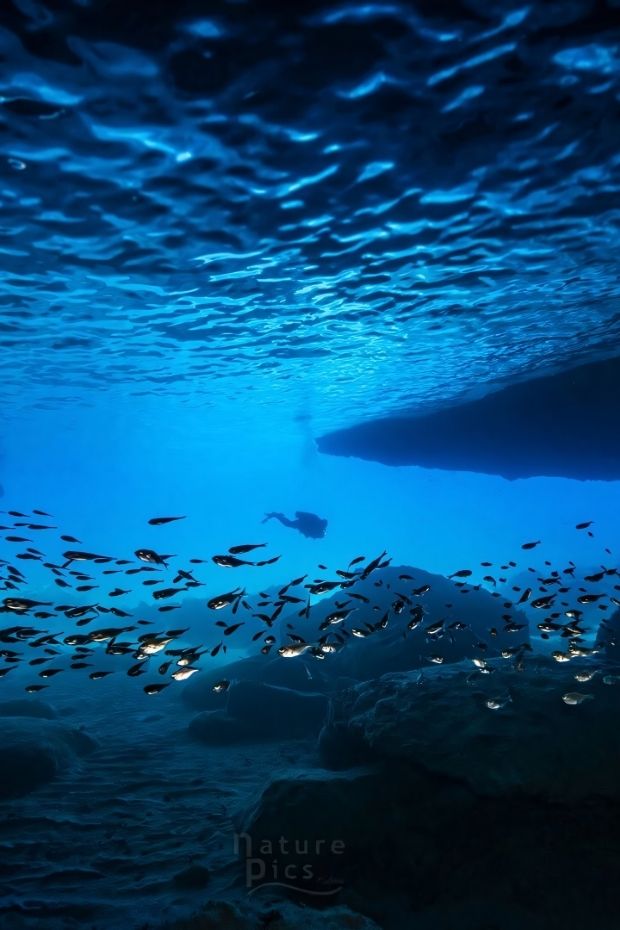
You can access the Blue Room via a guided tour or private charter, and honestly, IMO this is one of those bucket-list experiences that sounds almost too good to be real — until you’re actually floating inside it, surrounded by thousands of fish, wondering how a place like this actually exists.
5. The Hato Caves Offer a Mind-Blowing Geology Lesson
Not everything in Curaçao happens on or in the water. The Hato Caves are over 300,000 years old, making them the oldest and most impressive cave system on the island. Formed from coral limestone that accumulated over millions of years, the caves opened to the public in 1991 and remain one of the island’s most fascinating attractions.
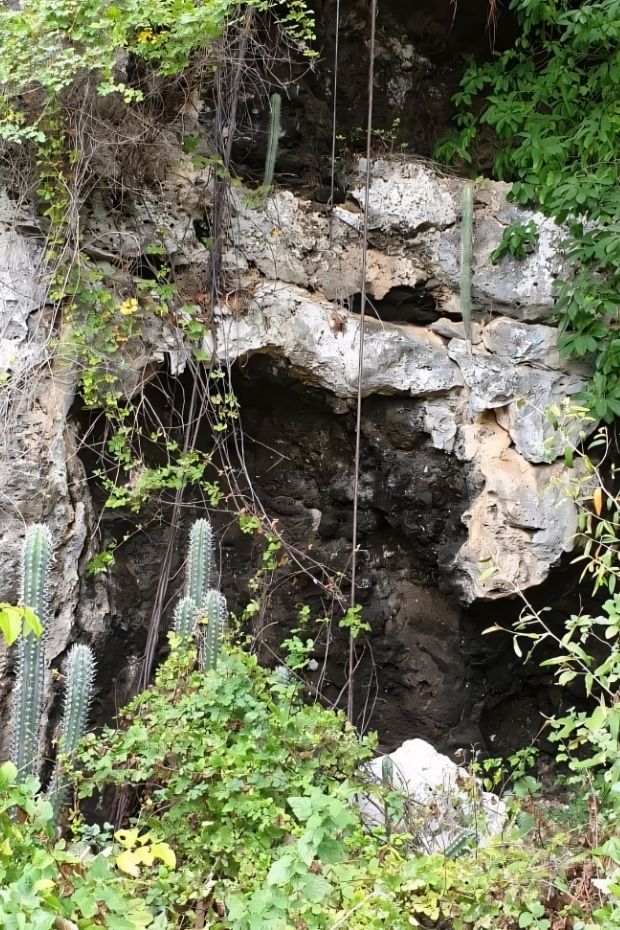
Some of the limestone formations stretch up to 790 feet long. Ancient Arawak petroglyphs are also found inside, adding a genuinely moving historical layer to what’s already a spectacular geological tour. You can’t call yourself a Curaçao traveler without making this stop.
6. Shete Boka National Park Is Shockingly Dramatic
Most people picture calm Caribbean beaches when they think of island national parks — and then Shete Boka completely flips that expectation. Located on the wild north coast of Curaçao, this park features crashing waves, underground caves, volcanic rock formations, and limestone inlets that make you feel like you’ve landed on a different planet.
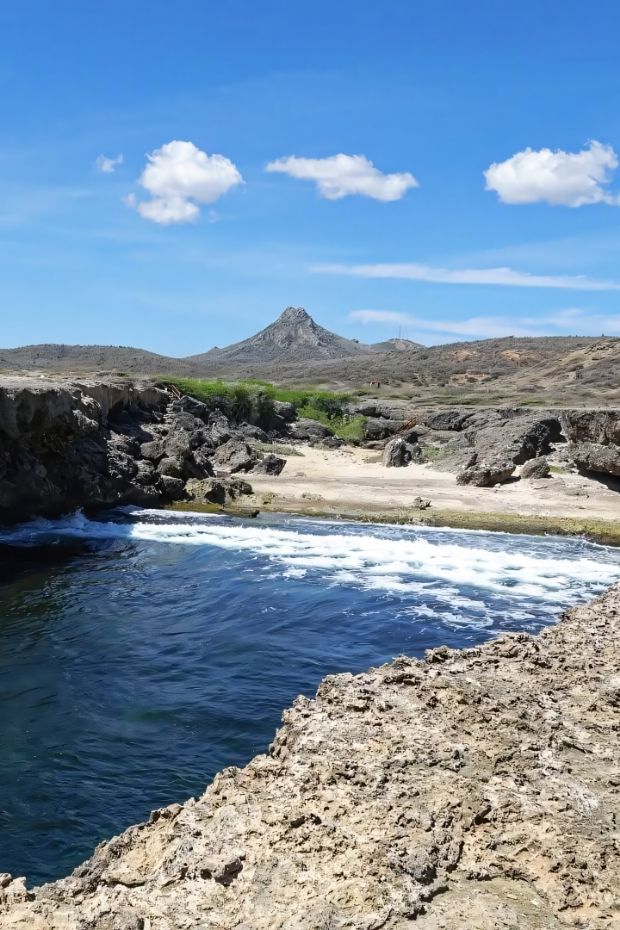
The waves here slam against the coast with enough force to send water shooting 30+ feet into the air. It’s raw, wild, and absolutely stunning. If you’re looking to get off the beaten beach path for an afternoon, Shete Boka is your answer.
7. Curaçao Liqueur Is the Real Deal — and It’s Made Right Here
You’ve probably seen the bright blue cocktails at your local bar and thought, “Cute color, but is this stuff actually good?” Well, Curaçao liqueur is made from the dried peel of the laraha citrus fruit, which grows exclusively on this island. The original liqueur is actually colorless — the vivid blue is added for effect — but the flavor is genuinely delicious.
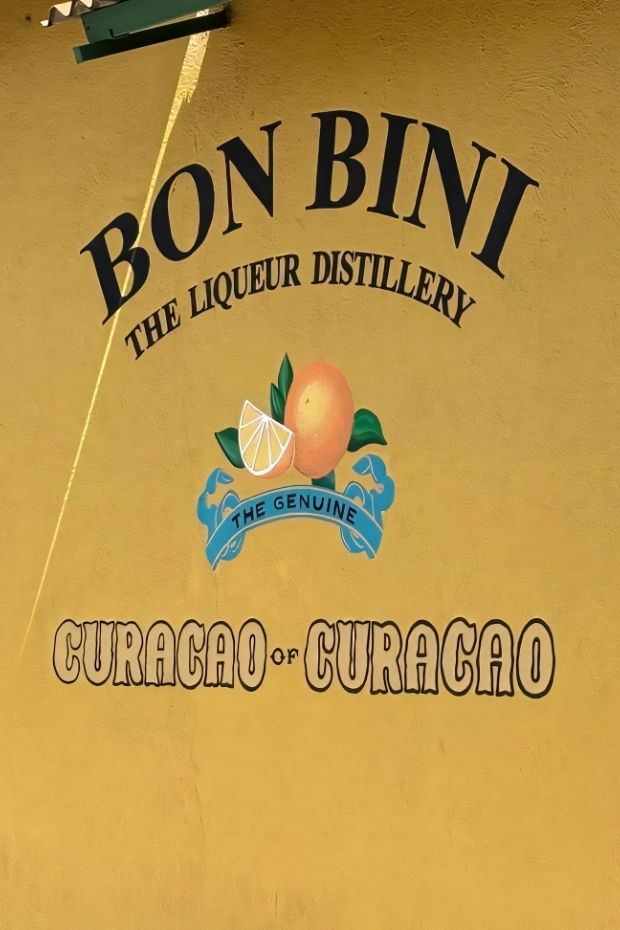
A visit to the Landhuis Chobolobo, where the famous Senior brand has been producing Curaçao liqueur since 1896, is a must. You get to tour the grounds, learn about the distillation process, and taste a lineup of flavors. FYI, the blue version tastes exactly the same as the clear one. The color is basically just very effective marketing.
8. The Food Scene Will Absolutely Wreck Your Diet
Curaçao’s culinary scene reflects the island’s incredible cultural diversity — Dutch, African, Latin American, and indigenous Arawak influences all collide on the plate in the most delicious way possible. The Old Market (Plasa Bieu) in Willemstad is the place to go for an authentic local lunch experience, with vendors serving fresh conch, goat stew, grilled fish, and kadushi soup.
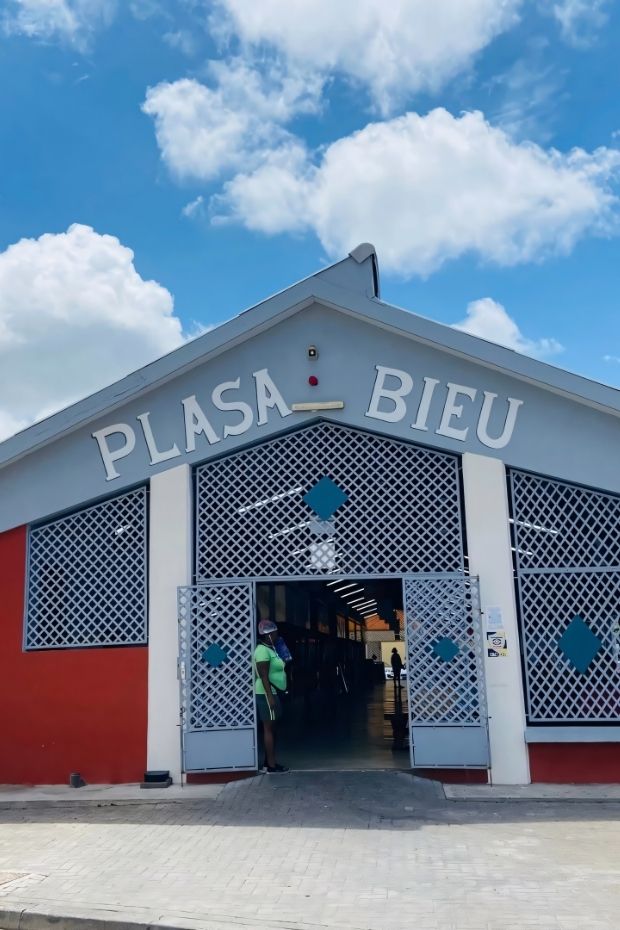
Beyond the market, the island offers everything from gourmet waterfront restaurants to street-side Truk’i Pan food trucks. Popular local dishes include:
- Stoba — a rich, slow-cooked meat stew
- Funchi — a polenta-like cornmeal side dish
- Mondongo — a traditional tripe soup that sounds adventurous but tastes incredible
- Keshi Yena — stuffed cheese, one of the island’s most iconic dishes
9. Flamingos Just… Wander Around Here
Let’s be real — flamingos make everything better. At Jan Kok salt flats on the western side of the island, you can spot wild flamingos wading through the shallow water in their full pink glory. No zoo tickets, no staged wildlife encounters — just you, your camera, and a flock of flamingos going about their day like they own the place (they kind of do).
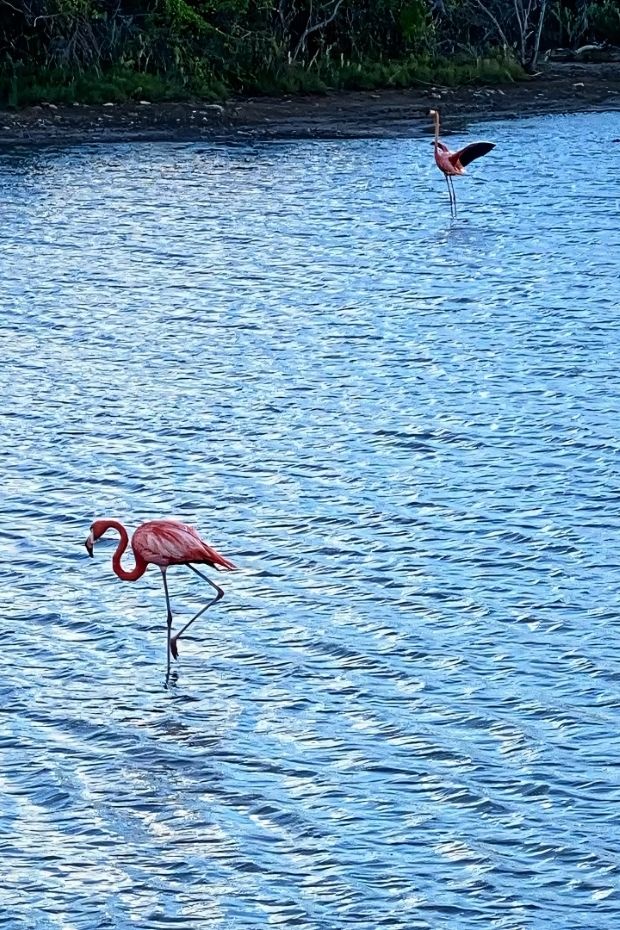
The best time to spot them is early morning or late afternoon. Iguanas also roam freely across the island, because apparently Curaçao decided that one iconic animal wasn’t enough and went ahead with two. You’ll absolutely love it.
10. The Cultural Diversity Here Is Genuinely Fascinating
Curaçao has a population descended from Dutch settlers, West African communities, indigenous Arawak people, and Latin American neighbors — and all of that history shows up everywhere, from the architecture to the food to the music. The local language, Papiamentu, is a beautiful Creole blend of Portuguese, Spanish, Dutch, and African languages, and hearing it spoken feels like experiencing something truly unique.
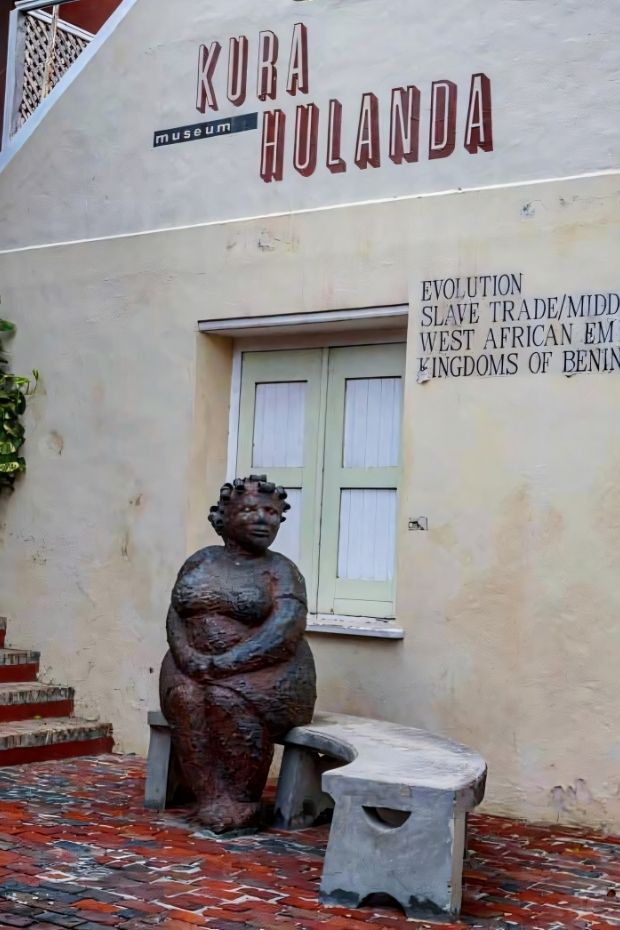
The Kura Hulanda Museum digs deep into this history, with a particular focus on the Atlantic slave trade and its profound impact on the island. It’s thought-provoking, well-curated, and a genuinely important experience that adds real depth to your visit beyond beaches and cocktails.
11. The Weather Is Practically Perfect Year-Round
One of Curaçao’s most underrated selling points? The island sits outside the main Atlantic hurricane belt, making it a reliable sun destination even during Caribbean storm season. Average temperatures hover around a comfortable 84°F (29°C) year-round, with a steady trade wind that keeps things from ever feeling oppressively hot.
This means you can book a trip to Curaçao pretty much any month of the year and expect gorgeous weather. No anxiously checking hurricane forecasts, no weather anxiety, no canceled plans. Just consistent sunshine and warm breezes. Honestly, the island’s weather situation feels almost suspicious — like it made a deal with the weather gods that no one else knows about. :/
12. The Art Scene and Nightlife Will Keep You Out Late
Curaçao’s creative energy extends well beyond its natural beauty. The island has a thriving contemporary art scene, with galleries and cultural centers like the Landhuis Bloemhof Cultural Center showcasing local and international artists year-round. Street art covers building walls across Willemstad in vibrant murals that turn the whole city into an outdoor gallery.
When the sun goes down, the beach clubs and bars along the waterfront come alive with live music, Caribbean rhythms, and cold drinks. The Rif Fort — a historic 19th-century fort turned waterfront entertainment complex — is the perfect spot to end an evening, with restaurants, bars, and a buzzing atmosphere that captures exactly why this island is so special. Ever wondered what it feels like to sip a cocktail inside a 200-year-old fort with the Caribbean breeze rolling in? Book your ticket and find out.
Pack Your Bags — Curaçao Is Waiting
Look, there are thousands of islands in the Caribbean, and most of them offer beautiful water and warm weather. But Curaçao offers something genuinely different — a layered, colorful, historically rich, culturally diverse destination that rewards curious travelers at every turn. The beaches are world-class, the diving is spectacular, the food is incredible, and the people are warm and welcoming.
Whether you spend your days snorkeling through underwater caves, sipping locally made liqueur in a UNESCO heritage city, or just watching flamingos do their thing at sunrise, Curaçao will get under your skin in the best possible way. Stop putting it off, add it to your travel bucket list, and go. Your future self will absolutely thank you for it.