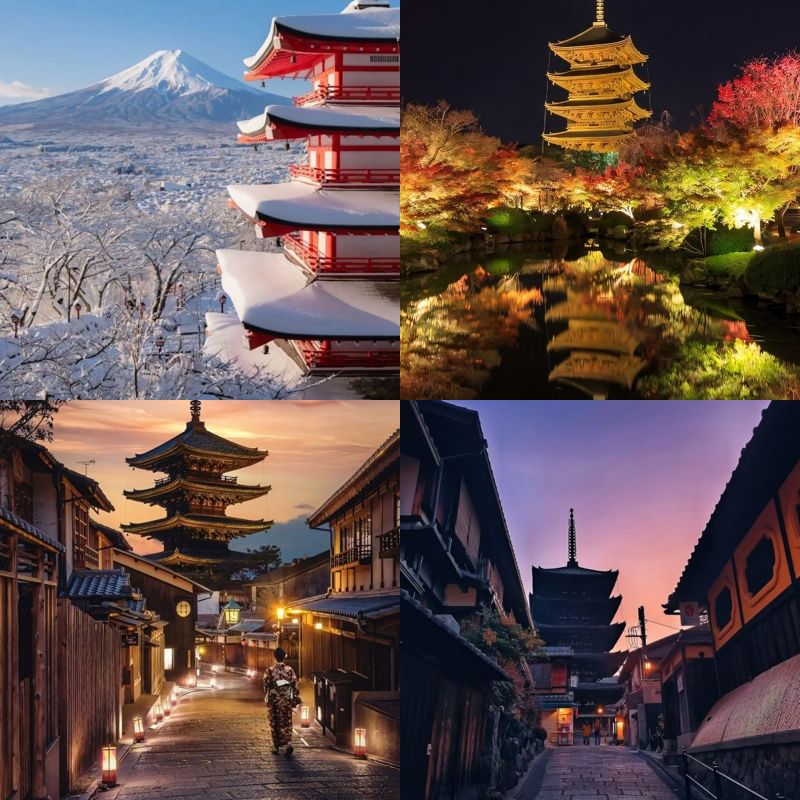
You know that feeling when you see a photo so beautiful you immediately screenshot it and add it to your “someday” travel list? That’s exactly what happens the first time you spot a Japanese pagoda rising above the mist, surrounded by cherry blossoms or framed by a snow-capped Mount Fuji. Japanese pagodas are not just buildings, they are living time capsules, each one carrying hundreds or even thousands of years of history, religion, and breathtaking craftsmanship. And here’s the thing: photos genuinely do not do them justice. I’ve stood in front of a few of these, and trust me, your jaw will drop every single time. So, ready to plan the trip of a lifetime? Here are 13 stunning Japanese pagodas you absolutely need to visit before you die.
1. Chureito Pagoda, Yamanashi
If you have ever seen that iconic photo of a red pagoda perfectly framed against Mount Fuji with cherry blossoms in the foreground, you’ve already met the Chureito Pagoda. Built in 1963 as a peace memorial at the Arakura Sengen Shrine, this five-story pagoda is one of the most photographed spots in all of Japan.
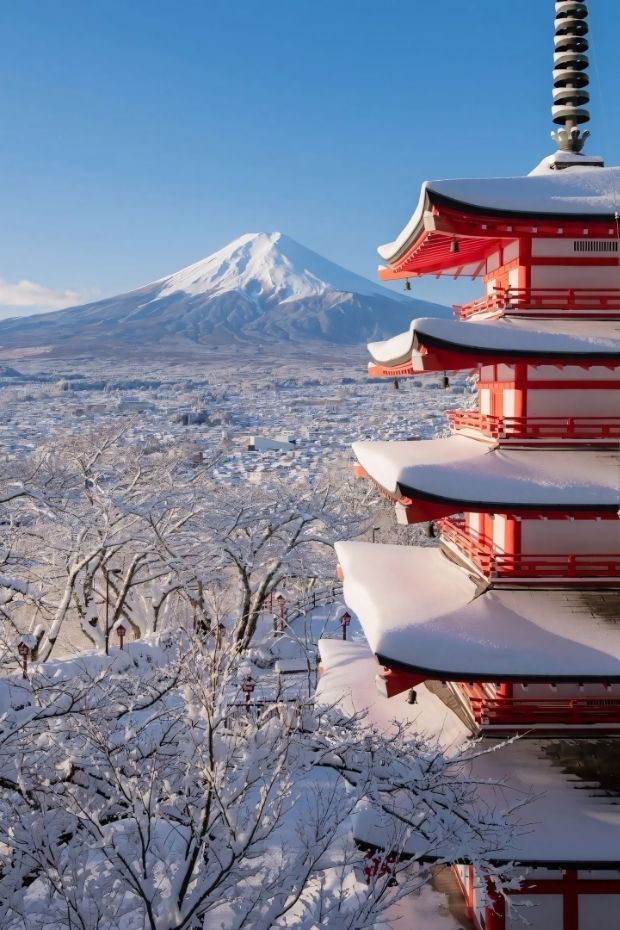
Getting here is a bit of a workout. You’ll climb 398 steps up Mount Arakura, but the view waiting at the top is worth every single gasp of breath. Visit in early April during cherry blossom season for the full postcard experience. FYI, early morning visits are best for avoiding the crowds.
2. To-ji Five-Story Pagoda, Kyoto
Standing at a jaw-dropping 54.8 meters tall, the pagoda at To-ji Temple in Kyoto holds the title of Japan’s tallest wooden pagoda. It’s a UNESCO World Heritage Site, originally constructed in 826 AD, and the current structure dates back to 1644 after being rebuilt multiple times from fire and lightning strikes.
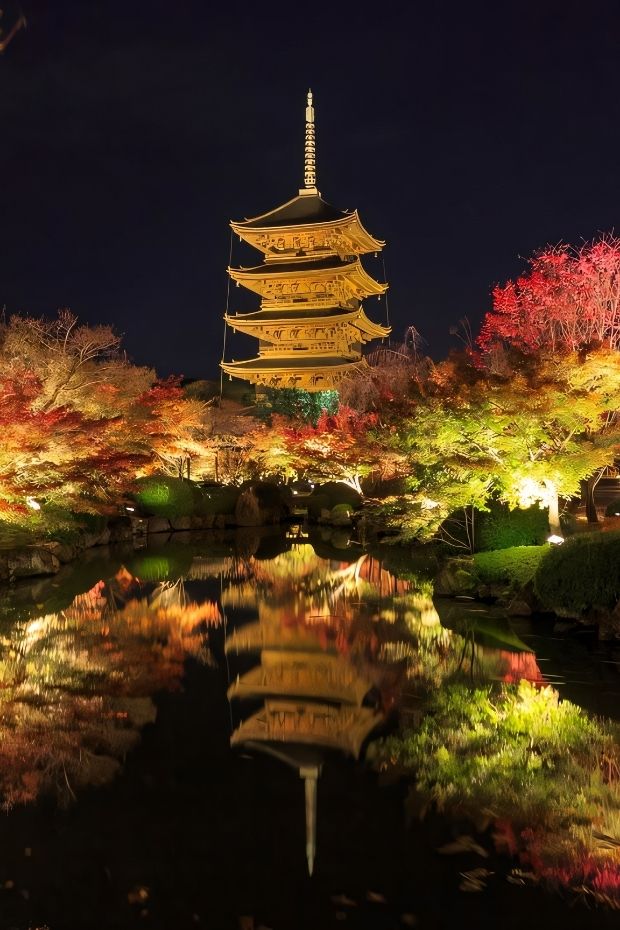
Walk fifteen minutes from JR Kyoto Station and you’ll see it towering over the skyline. At night, the pagoda lights up beautifully against the dark sky, and during spring, over 200 cherry trees surround its base in full bloom. Honestly, it’s almost unfair how photogenic this place is.
3. Yasaka Pagoda, Kyoto
Want old Kyoto vibes? The Yasaka Pagoda in the Higashiyama district delivers them in spades. This five-story pagoda dates back to the 6th century and stands 46 meters tall, rising above the narrow cobblestone lanes and traditional tea houses of one of Kyoto’s most atmospheric neighborhoods.
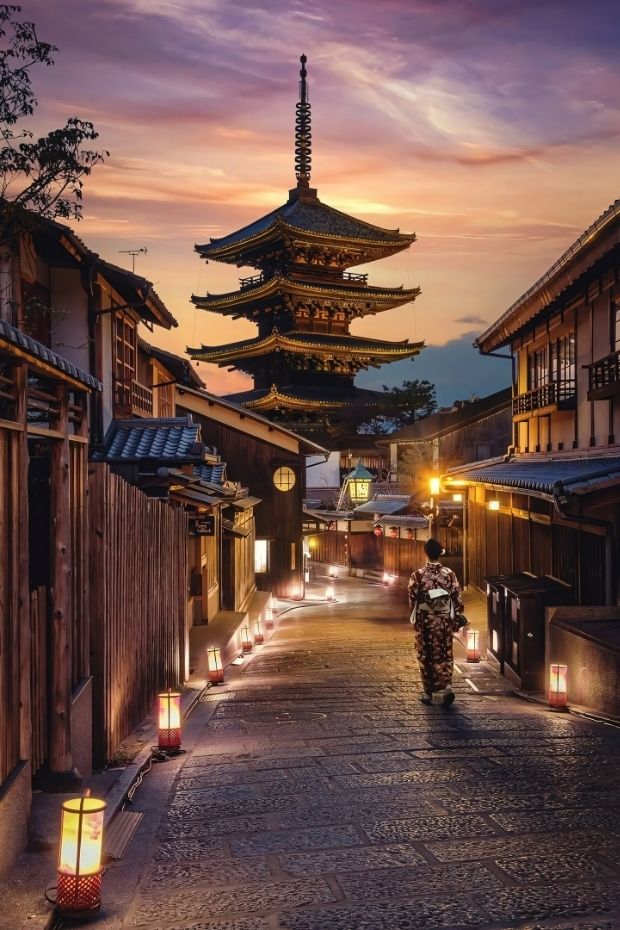
Walking toward it through the lantern-lined streets at dusk feels like stepping straight into a period drama. The pagoda is officially part of Hokan-ji Temple and is open for interior visits on select days. IMO, this is hands down the most romantically situated pagoda in all of Japan.
4. Kofuku-ji Five-Story Pagoda, Nara
Nara is famous for its free-roaming deer, but the Kofuku-ji pagoda is honestly just as iconic. Standing 50.1 meters tall, this pagoda was originally built in 730 AD, last reconstructed in 1426, and its reflection shimmers beautifully in the nearby Sarusawa Pond.
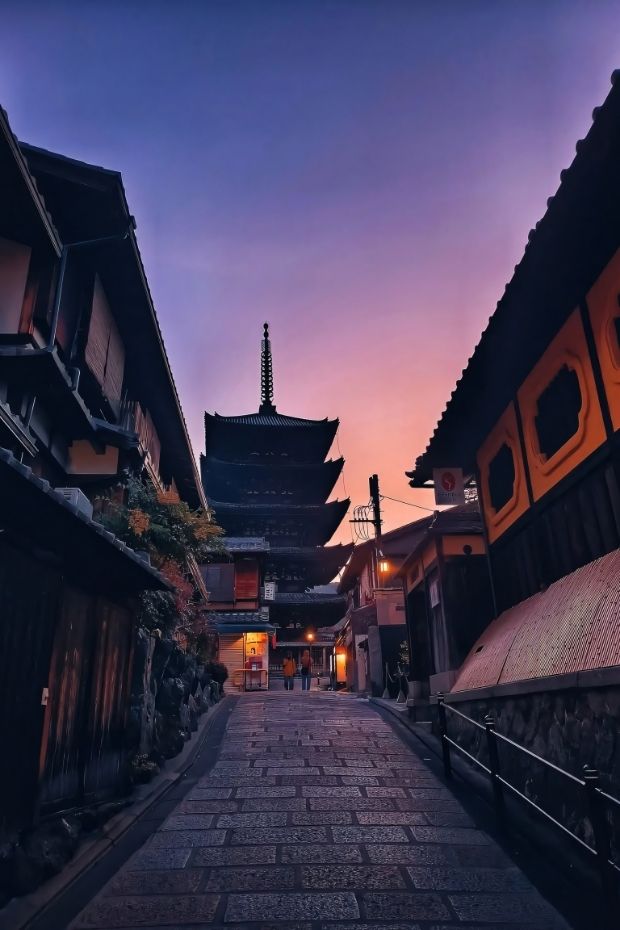
It sits right next to Nara Park, so you can admire the pagoda while a deer casually photobombs your shot. The temple complex is a UNESCO World Heritage Site and one of the most visited spots in the ancient capital. How many places in the world let you see thousand-year-old architecture while petting wild deer? Exactly. Only Japan.
5. Horyu-ji Pagoda, Nara
Here’s a fact that sounds made up but absolutely isn’t: the Horyu-ji pagoda is considered one of the oldest wooden structures in the world. Founded by Prince Shotoku in 607 AD, this five-story pagoda stands 32.5 meters tall, and its central pillar was felled as far back as 594 CE.
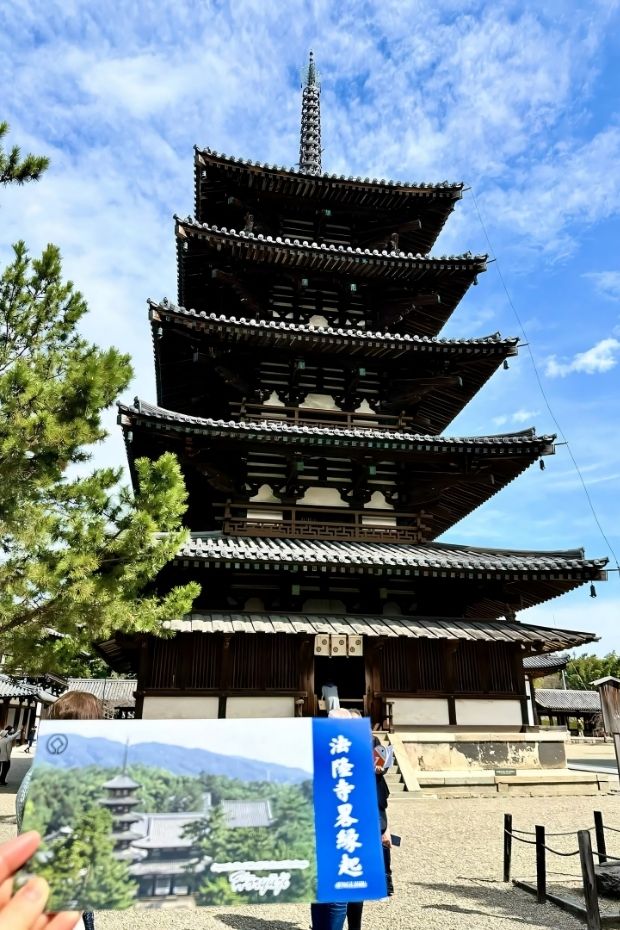
Horyu-ji was Japan’s first UNESCO World Heritage Site, registered in 1993. Walking through its grounds feels surreal because you’re standing next to wood that humans shaped over 1,400 years ago. If that doesn’t humble you a little, I honestly don’t know what will.
6. Daigoji Five-Story Pagoda, Kyoto
The Daigoji Temple pagoda is the oldest verified structure in all of Kyoto, completed in 951 AD. While wars and fires destroyed much of the original Daigoji complex, this resilient five-story pagoda survived everything history threw at it. Its construction began under Emperor Suzaku and it served as a memorial for Emperor Daigo.
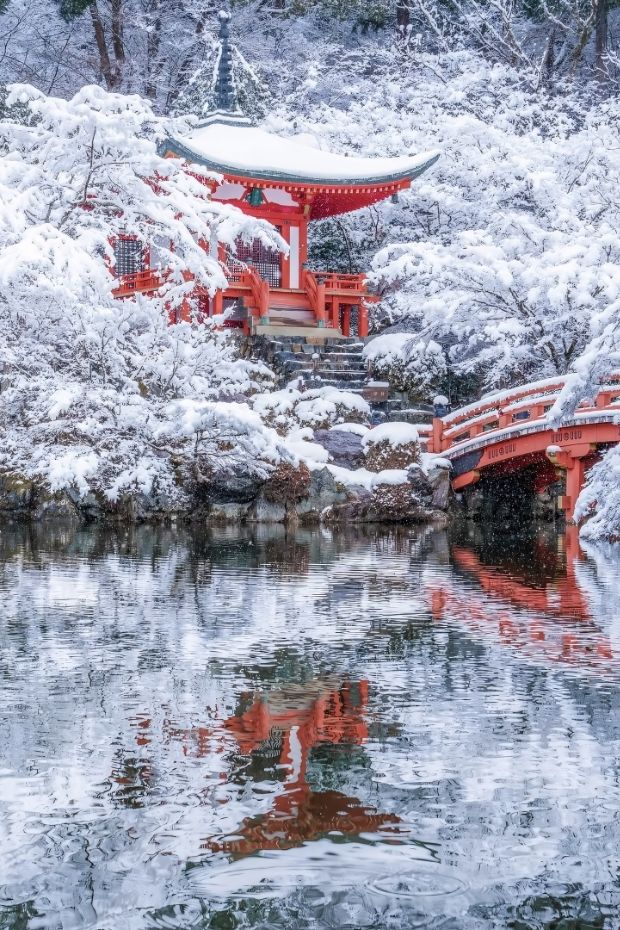
Standing 38 meters tall, with a sorin (finial) alone reaching 13 meters, this pagoda is a quiet powerhouse. The grounds around it erupt in cherry blossoms every spring, a tradition so beloved that Toyotomi Hideyoshi himself held a famous cherry blossom viewing party here in 1598. Daigoji is a UNESCO World Heritage Site and genuinely one of Kyoto’s most underrated spots.
7. Nikko Toshogu Five-Story Pagoda, Tochigi
Most Japanese pagodas favor elegant simplicity. The Nikko Toshogu pagoda looks at simplicity and laughs. Built in 1650 and rebuilt in 1818, this 36-meter-tall structure is covered in elaborate gold, red, green, and blue carvings that make it look more like a royal crown than a religious tower.
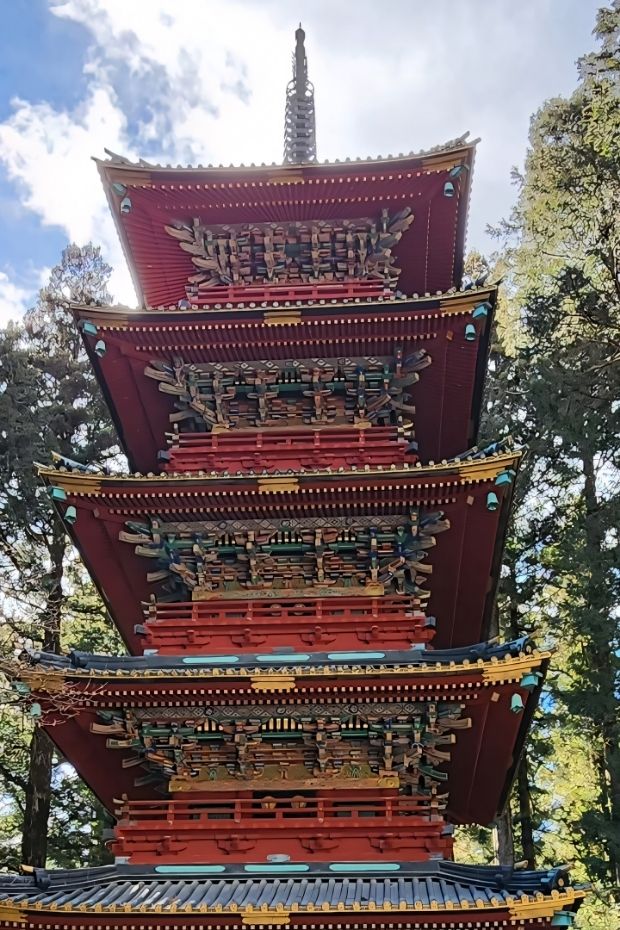
It sits at the entrance to the Toshogu Shrine complex, the mausoleum of the legendary Tokugawa Ieyasu. Every surface tells a story through carvings of animals, flowers, and mythological creatures. If you love visual drama, Nikko is not optional. It’s a must.
8. Rurikoji Five-Story Pagoda, Yamaguchi
Counted among Japan’s Three Famous Pagodas, the Rurikoji pagoda in Yamaguchi City is a quiet masterpiece from the Muromachi period. Completed around 1442, it sits in Kozan Park, surrounded by trees and a serene pond, and its roof is built from cypress bark in a technique called hiwadabuki.
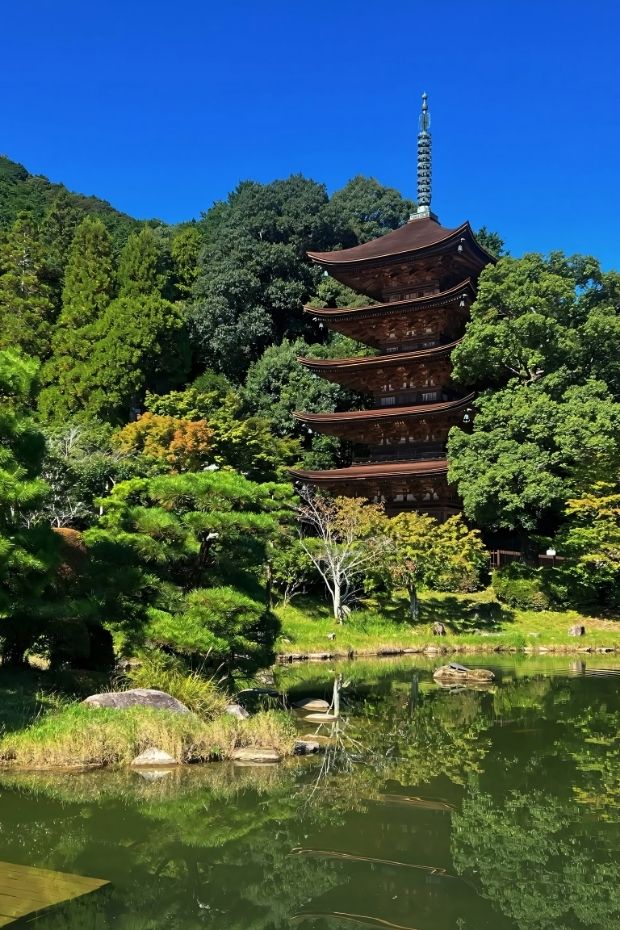
This one is far off the beaten tourist trail, which means fewer crowds and a much more peaceful experience. At night, the illuminated pagoda reflects in the still water below, creating a scene so calm it almost feels spiritual. It’s the kind of place that makes you put your phone away for a few minutes, and that’s saying something 🙂
9. Miyajima Five-Story Pagoda, Hiroshima
Located on the sacred island of Miyajima, just a short ferry ride from Hiroshima, this vermilion five-story pagoda was built in 1407 using Zen Buddhist construction techniques. It towers over the island and is visible from multiple vantage points, including the famous floating torii gate of Itsukushima Shrine below.
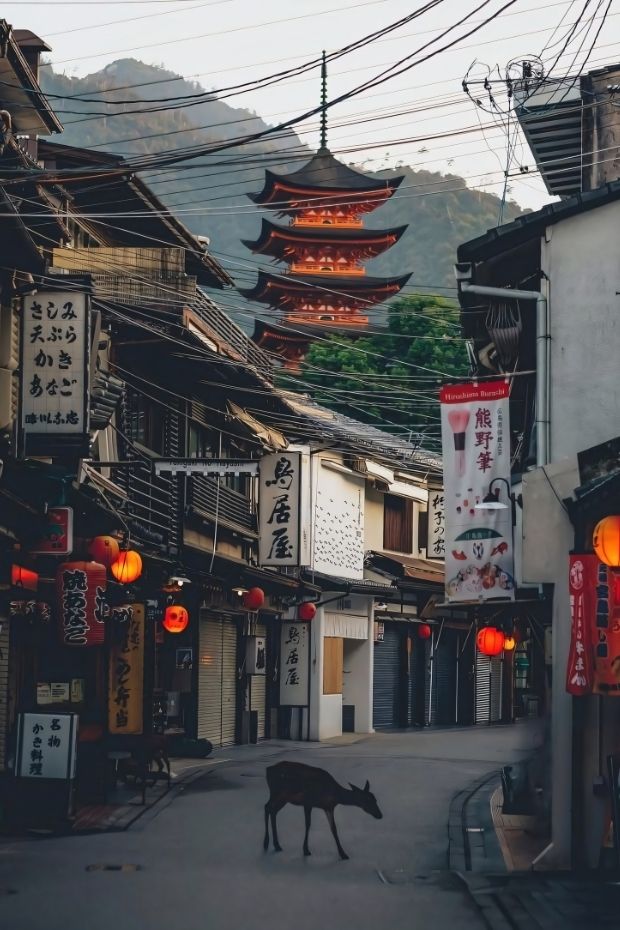
The entire island is a UNESCO World Heritage Site, and between the floating torii, the wandering deer, and this stunning red pagoda crowning the hill, Miyajima is pure sensory overload in the best possible way. Plan to stay until sunset. You’ll thank yourself later.
10. Senso-ji Pagoda, Tokyo
Tokyo’s most visited temple, Senso-ji in Asakusa, draws over 30 million visitors every year, and its five-story pagoda is a massive part of the draw. The original pagoda was destroyed in the 1945 WWII air raids and rebuilt in 1973, but its presence remains deeply powerful and historically significant.
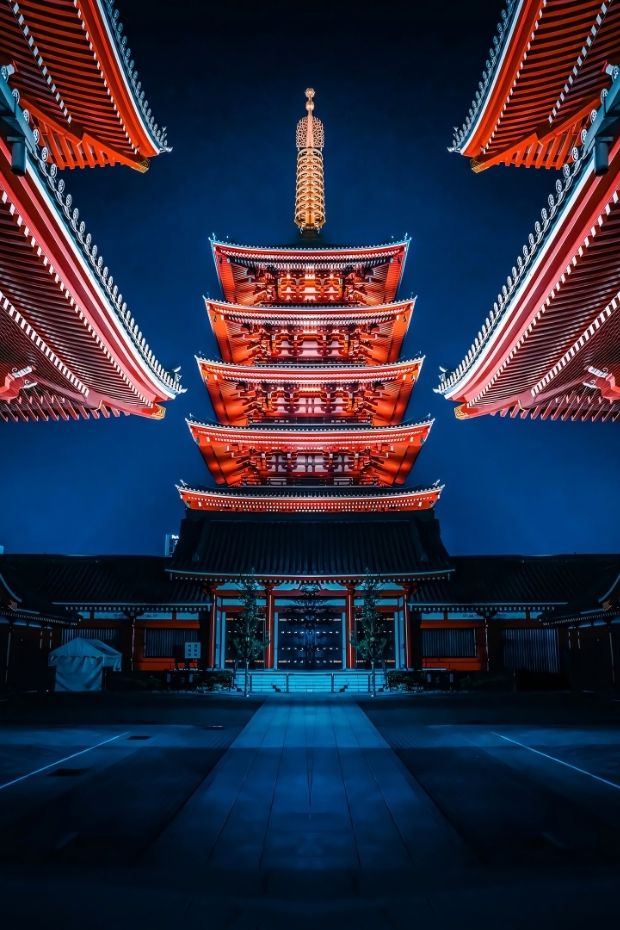
The pagoda rises right behind the iconic Kaminarimon Thunder Gate, making it a staple of Tokyo’s skyline. Nakamise Shopping Street leads you right to it, lined with vendors selling traditional snacks and souvenirs. It’s touristy, yes, but the kind of touristy that actually earns its reputation.
11. Shitenno-ji Pagoda, Osaka
Shitenno-ji Temple, founded in 593 AD by Prince Shotoku, is considered one of Japan’s oldest Buddhist temples. Its five-story pagoda, though rebuilt multiple times, carries the architectural spirit of Japan’s early Buddhist era. The current concrete reconstruction stays faithful to the original design.
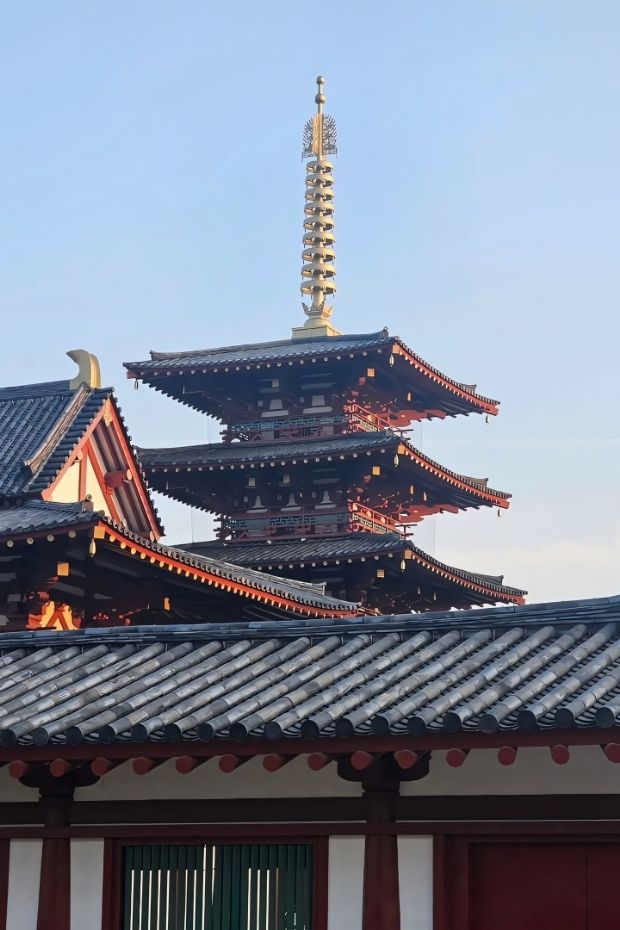
The temple complex includes a stunning garden and several historic structures, all sitting right in the middle of modern Osaka. Ever wonder what it feels like to stand at the birthplace of Japanese Buddhism? Shitenno-ji gives you that experience, just a short subway ride from Namba.
12. Hokki-ji Three-Story Pagoda, Nara
If you want to see Japan’s oldest surviving three-story pagoda, head to Hokki-ji in Ikaruga, Nara. Built in 706 AD, this is one of the most authentic examples of early Japanese pagoda architecture still standing. It’s smaller and quieter than the giants on this list, but its age alone makes it extraordinary.
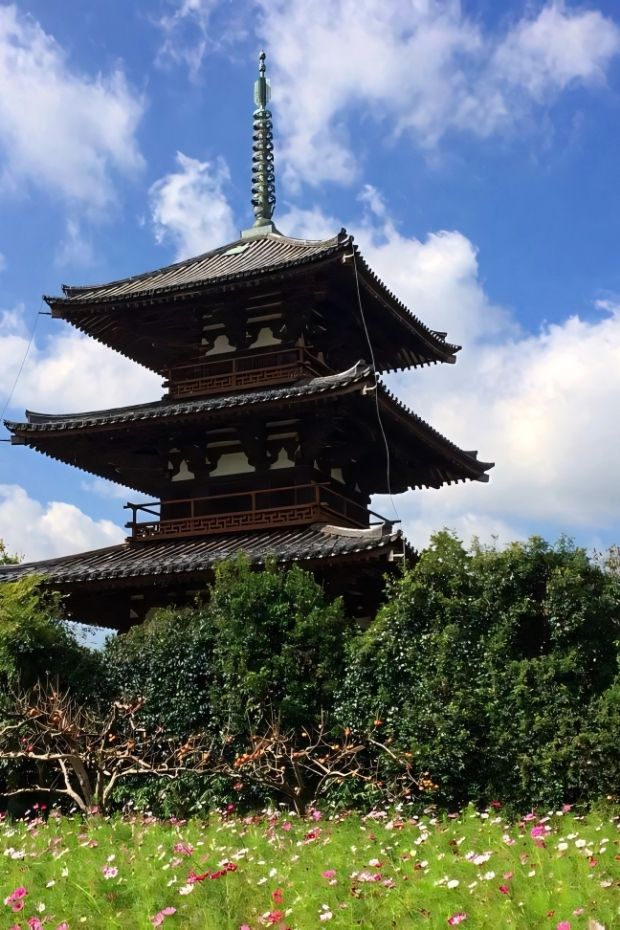
Hokki-ji sits near the more famous Horyu-ji Temple and is often skipped by visitors in a rush. Big mistake. The pagoda’s compact proportions and ancient cedar beams give it a raw, unpolished beauty you won’t find anywhere else. Sometimes the overlooked gems hit the hardest.
13. Konpon Daito Pagoda, Koyasan, Wakayama
Koyasan is Japan’s sacred mountain and the heart of Shingon Buddhism, and the Konpon Daito is its crown jewel. This is not a typical five-story pagoda. It’s a tahoto, a two-story pagoda style unique to Japan, standing 48 meters tall and painted in brilliant vermilion. Kukai, the founder of Shingon Buddhism, designed this structure in the 9th century as a symbol of the universe itself.
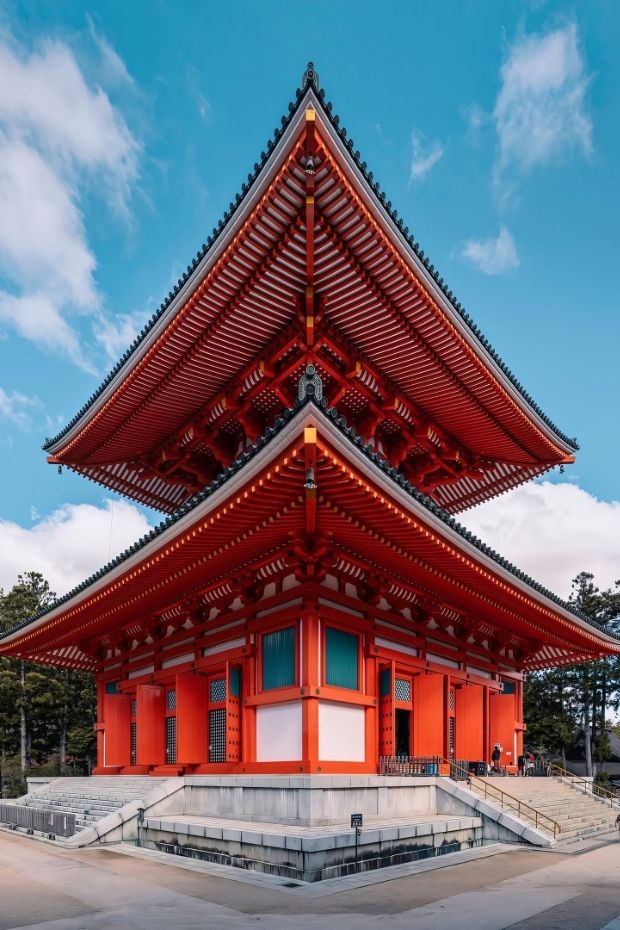
Inside, the four cardinal Buddhas surround a central pillar representing the cosmic axis. The whole of Koyasan is a UNESCO World Heritage Site, filled with mist, ancient cedar forests, and thousands of lanterns. Visiting Koyasan feels unlike anywhere else in Japan. It’s less a tourist destination and more of a full spiritual reset.
Plan Your Pagoda Trail
Visiting all 13 of these pagodas in one trip is ambitious, but a well-planned Japan Rail Pass can connect most of them efficiently. Here’s a rough regional grouping to help you plan:
- Kyoto cluster: To-ji, Yasaka, Daigoji
- Nara cluster: Kofuku-ji, Horyu-ji, Hokki-ji
- Day trips from Kyoto/Osaka: Koyasan (Wakayama), Osaka (Shitenno-ji)
- Wider Japan: Chureito (Yamanashi), Miyajima (Hiroshima), Rurikoji (Yamaguchi), Nikko (Tochigi), Senso-ji (Tokyo)
The best time to visit is late March to early April for cherry blossoms, or mid-November for stunning autumn foliage. Both seasons frame these pagodas in colors that look almost unreal :/ (yes, unreal in the best possible way).
Start Ticking These Off Your List
Japan has dozens of pagodas, but these 13 represent the best mix of history, beauty, accessibility, and sheer wow factor. Whether you’re chasing the perfect Instagram shot at Chureito, tracing the footsteps of Prince Shotoku at Horyu-ji, or sitting in meditative silence at Koyasan, each pagoda offers something genuinely different. Don’t just admire them from afar, get there, climb the steps, breathe the air, and let a thousand years of history wash over you. Some places you visit. These places, you feel.