Planning a trip to Myanmar is exciting, genuinely one of those bucket-list destinations that still feels raw and real. But here’s the thing nobody tells you loudly enough before you board that flight — the money situation in Myanmar is unlike almost anywhere else in Southeast Asia. The Myanmar Kyat (MMK) operates by its own rules, and if you walk in unprepared, you will feel it in your wallet fast. I’ve been there, stood confused at a money changer with a slightly crumpled $20 bill, and watched the guy shake his head. Not fun. So let me save you that moment.
1. The Kyat Is Pronounced Nothing Like It’s Spelled
Let’s start with the basics because this one trips up almost every traveler. The Myanmar Kyat is pronounced “jet” — not “ki-yat,” not “kwat,” just “jet.” The currency code is MMK, and you’ll see it written as Ks on price tags and menus around the country. Once you get that pronunciation down, locals will actually appreciate it.
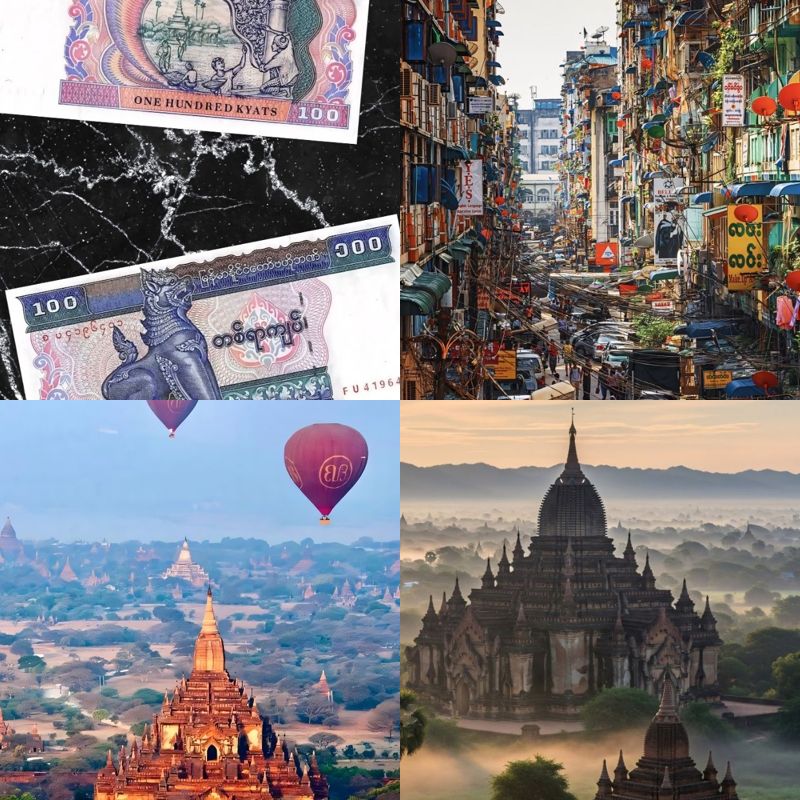
The Kyat comes in banknotes of 50, 100, 200, 500, 1,000, 5,000, 10,000, and 20,000 MMK. No coins are commonly used in circulation, so don’t bother hunting for them. Most everyday transactions rely entirely on paper notes, and you’ll quickly become very comfortable counting large stacks of cash.
2. Cash Is Absolutely, 100% King Here
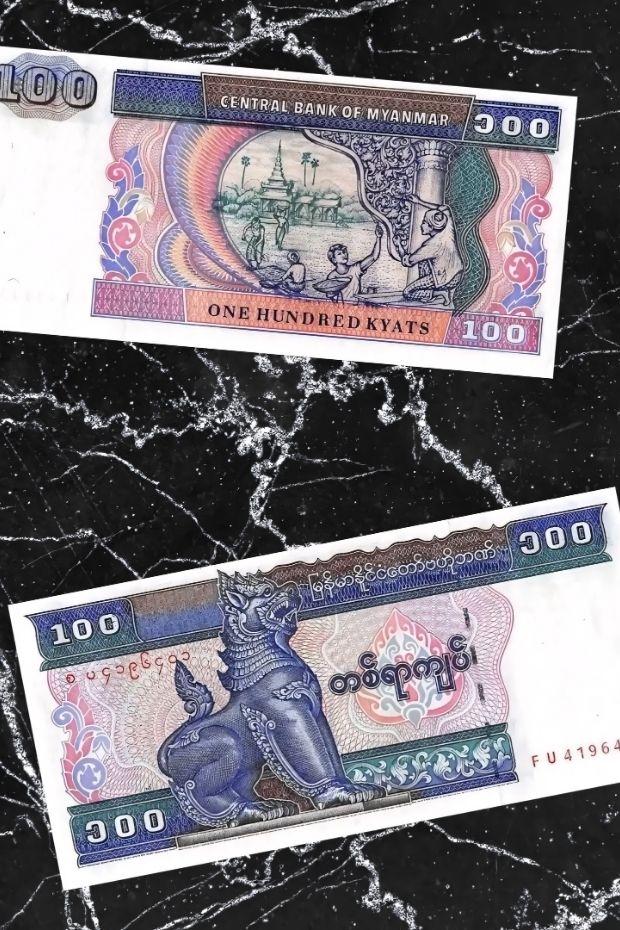
If you take only one thing away from this entire article, let it be this: Myanmar runs on cash. Street markets, local restaurants, tuk-tuks, guesthouses, temple entrance fees — all cash. You cannot tap your card and walk away feeling smug about your travel points here.
Even in bigger cities like Yangon and Mandalay, card acceptance is limited to a handful of international hotels and upscale restaurants. The moment you step outside the tourist bubble, it’s Kyat or nothing. Plan your daily expenses accordingly and always carry more than you think you need.
3. Bring Crisp, Brand-New US Dollar Bills
Here’s where a lot of travelers get caught out. Myanmar money changers are incredibly strict about the condition of US dollar bills. We’re talking pristine, no folds, no tiny tears, no pen marks, no stamps. A slightly worn $100 bill that works perfectly fine anywhere else in the world can get flat-out rejected here.
Your best bet is to withdraw fresh notes directly from your bank before you leave home. Stick with $50 and $100 bills because they consistently attract better exchange rates than smaller denominations. FYI, if you iron your cash at home before packing it — gently, on the lowest heat under a cloth — that actually works to freshen up bills before your trip 🙂
- Bills must be issued after 2006 for US dollars
- No folds, tears, marks, or stains
- $50 and $100 notes get the best exchange rates
- Bring a few small bills ($1–$5) for tipping and small purchases
4. There Are Two Very Different Exchange Rates
This is probably the most important financial detail for your Myanmar trip. There is an official interbank rate set by the government, and then there is the black market rate — which is the rate most locals and savvy travelers actually use. The difference between these two rates can be massive, sometimes 50% or more in favor of the black market rate.
When you exchange money at the airport, you’ll get the official rate, which is significantly worse. In the city, exchange bureaus in places like Chinatown in Yangon or around Sule Pagoda often quote the black market rate openly. The app Myanmar Market Price updates the current black market rate three to four times daily and is worth downloading before your trip.
Official Rate vs. Black Market Rate
To put it plainly, using the official rate means you’re giving away money for free. The black market rate reflects what the currency is actually worth in a free market. Many exchange bureaus will show you the official rate on their board, then flip a calculator around and show you a much better number privately. That’s your signal to proceed.

5. ATMs Are Unreliable — Seriously, Avoid Them
Yes, ATMs exist in Myanmar. No, you probably should not rely on them. Due to international sanctions, most foreign debit and credit cards simply do not work in Myanmar ATMs. Even if your card somehow does work, you’ll be charged at the official exchange rate, meaning you’ll get significantly fewer Kyat per dollar compared to exchanging cash at a bureau.
On top of the bad rates, ATMs charge a minimum fee of 5,000 MMK per withdrawal and cap transactions at just 300,000 MMK per visit. That adds up fast and delivers terrible value. The smarter move is to bring all the cash you need from home and exchange it strategically once you arrive.
6. Your Foreign Cards Probably Won’t Work at All
Even setting ATMs aside, don’t count on using Revolut, Wise, Monese, or most standard international cards for in-store purchases either. Due to ongoing international sanctions against Myanmar, these fintech cards are largely blocked from processing transactions in the country. Even travelers who successfully use these cards everywhere else in Southeast Asia hit a wall in Myanmar.
Some higher-end hotels and international chains may process Visa or Mastercard, but even then it can be hit-or-miss. Treat your card as an absolute last resort and build your entire budget around cash from the start. IMO, it’s better to over-prepare on cash and bring it home than to be stuck scrambling.

7. Watch Out for Similar-Looking Banknotes
Here’s something that will catch you off guard at least once — several Myanmar Kyat denominations look remarkably similar in color and design. The 100, 200, and new 1,000 MMK notes share similar tones, and the 500 and 5,000 notes are also easy to mix up when you’re rushing to pay for something at a busy market.
Take five minutes when you first get a stack of Kyat to familiarize yourself with each denomination. Sort them into clear piles in your wallet so you’re never accidentally handing over a 5,000 when you meant to give a 500. This small habit saves you real money and awkward moments at checkout.
- 100 vs 200 vs new 1,000 MMK — similar tones, easy to confuse
- 500 vs 5,000 MMK — often mixed up under dim lighting
- Always double-check your change before walking away
- Organize your wallet by denomination for quick access
8. Exchange Most of Your Money in the City, Not at the Airport
The airport money changers in Myanmar use the official rate, which we’ve already established is a bad deal. When you land at Yangon International Airport, exchange just enough to cover your taxi and first night — roughly $10 to $20 is fine. That gets you to your hotel without stress.
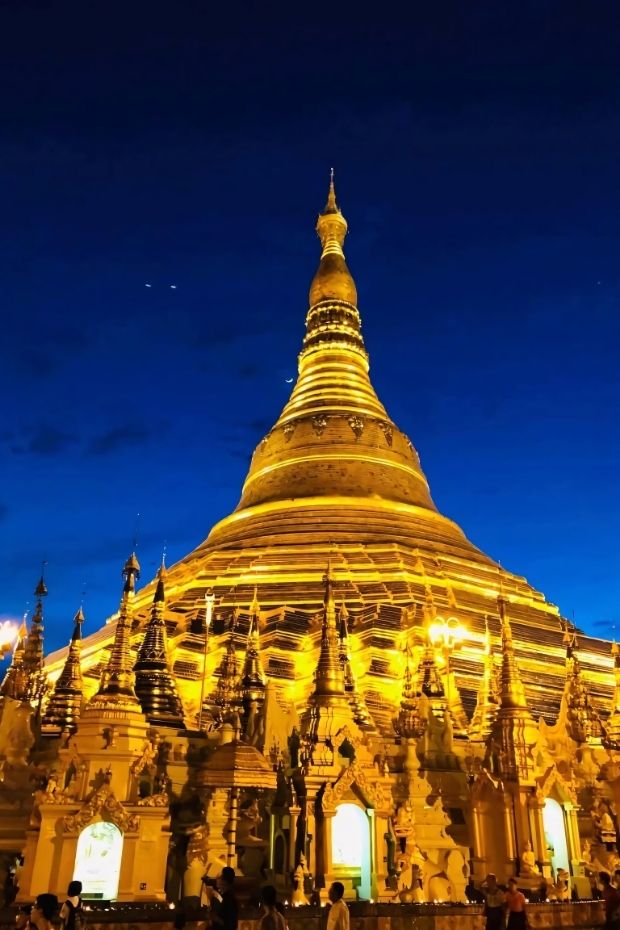
Once you’re settled downtown, head to Chinatown, the area around Sule Pagoda, or Bogyoke Aung San Market to find exchange bureaus offering the black market rate. Exchange your money during daylight hours, count every single note before you walk away, and ideally do it in a shop rather than on the street to keep things clean and safe.
Best Places to Exchange in Yangon
Chinatown on 21st Street has several reputable exchange spots that use the black market rate. Around Sule Pagoda you’ll find similar options. The key is to ask the rate upfront, compare a couple of spots, and never feel pressured to exchange immediately. Exchange only what you need for the next few days rather than converting everything at once, since you want flexibility if the rate improves.
9. Know What Things Actually Cost in Kyat
Once you’ve got your Kyat sorted, it helps to have a rough sense of real prices so you don’t get overcharged as a tourist. Myanmar is genuinely affordable, but only if you know what to expect. Here’s a practical reference based on real 2024 prices to keep you grounded.
- Bowl of noodle soup: 2,000 – 5,000 MMK
- Burmese tea at a tea shop: 700 – 1,500 MMK
- Can of beer (supermarket): 2,000 – 4,000 MMK
- Public bus in Yangon: 200 – 500 MMK
- Taxi, city center to airport: 15,000 – 20,000 MMK
- Shwedagon Pagoda entrance fee: 20,000 MMK
- Overnight bus Yangon to Bagan: around 28,500 MMK
- Budget hostel per night: roughly $15 – $20 USD equivalent
For budget backpackers, plan on a minimum of $40 USD per day as a comfortable buffer. You can stretch it lower if you eat local and keep transport simple, but having that cushion means you’re never making desperate decisions around money.
10. Handle Your Cash Smart and Stay Safe
Carrying large amounts of cash is a reality in Myanmar, but it doesn’t have to feel risky if you stay smart about it. Split your cash between multiple pockets and bags rather than keeping everything in one wallet. Use your hotel safe for backup funds and only carry what you realistically need for the day.
Avoid flashing thick wads of Kyat at markets — count your money privately and discreetly. When paying at any stall or shop, always check your change carefully before stepping away. Honest mistakes happen, but given the confusing denominations, it’s easy for small errors to slip through on both sides.
Quick Safety Checklist for Cash in Myanmar
- Split cash across two or three separate locations on your body
- Store backup USD in your hotel safe
- Count change immediately at every transaction
- Never exchange money after dark or with strangers who approach you
- Download the Myanmar Market Price app to track the real exchange rate daily
Final Thoughts Before You Go
Myanmar is one of those rare places that genuinely rewards the traveler who comes prepared. The Myanmar Kyat might seem intimidating at first with its dual exchange rates, strict bill conditions, and unreliable ATMs — but once you understand the system, it actually becomes straightforward. Bring crisp US dollar bills, skip the airport exchange for anything beyond taxi fare, find a good exchange bureau in Yangon’s city center, and carry your Kyat wisely.
Honestly, navigating money in Myanmar taught me more about being a resourceful traveler than almost any other destination I’ve visited. So embrace the cash economy, get your denominations sorted, download that rate app, and go enjoy those pagodas :/ — just kidding, they’re absolutely stunning and worth every single Kyat. Safe travels and happy exchanging!