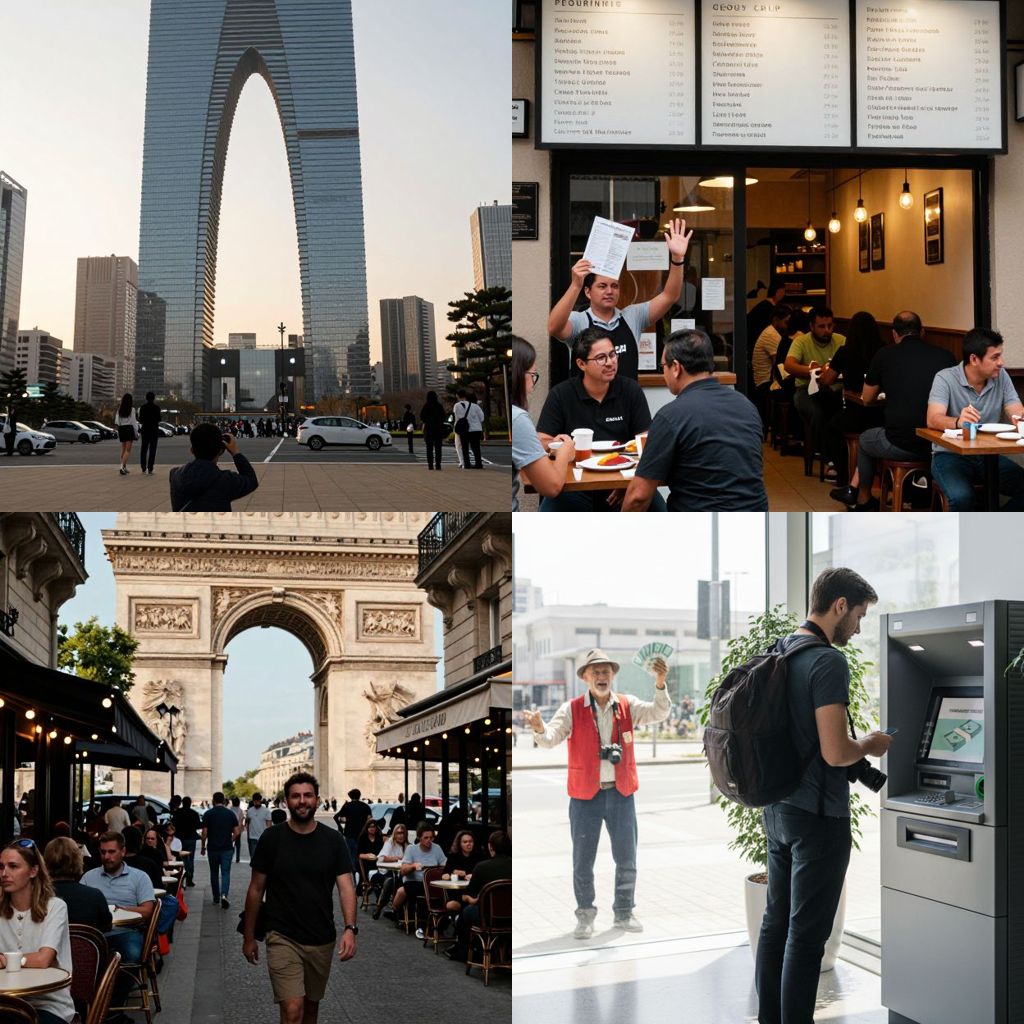
You know that sinking feeling when you realize you just paid triple the price for a mediocre meal because it had a view of the Eiffel Tower? Yeah, we’ve all been there. Tourist traps lurk around every corner when you’re exploring new destinations, ready to drain your wallet faster than you can say “overpriced souvenir.” But here’s the good news: with a bit of savvy and some street smarts, you can dodge these traps like a pro and actually enjoy authentic experiences without the tourist tax.
I’ve learned these lessons the hard way over years of travel. From getting bamboozled by fake “closed attraction” scams to paying way too much for a taxi ride, I’ve made pretty much every rookie mistake in the book. So let me save you some cash and headaches with these 14 battle-tested tips that actually work.
1. Do Your Homework Before You Leave
Look, I get it. Spontaneity sounds romantic. But you know what’s not romantic? Getting scammed out of 50 bucks because you didn’t spend 10 minutes on Google. Research is your best defense against tourist traps, and I’m not just talking about skimming Instagram posts from influencers.

Check out travel forums like Reddit and read recent Google Maps reviews. Pay special attention to the one-star reviews because that’s where people spill the tea about what really went wrong. Look for patterns in complaints.
Cross-reference information from multiple sources. If everyone on TripAdvisor says a restaurant is a tourist trap but TikTok says it’s amazing, trust the detailed reviews over the 15-second video clips.
2. Apply the Two-Street Rule
Here’s a game-changer: walk at least two streets away from any major attraction before you buy anything or eat anywhere. This simple trick can slash your costs by 50-70%. Seriously.
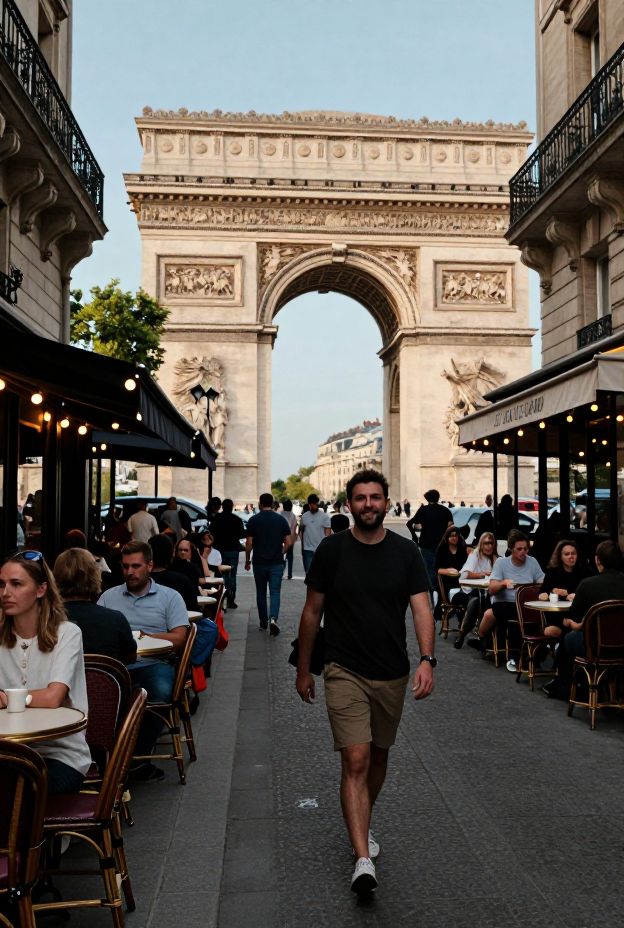
Restaurants and shops right next to tourist hotspots know they have a captive audience. They jack up prices because most tourists won’t bother walking further. But those of us who do? We find the authentic spots where locals actually eat and shop.
That 10-minute walk might feel inconvenient, but your wallet will thank you. Plus, you’ll stumble upon way cooler places that aren’t mentioned in every guidebook.
3. Spot Fake “Closed Attraction” Scams
This one gets travelers all the time. A friendly local approaches you near a famous site and tells you it’s closed for a holiday, cleaning, or some random reason. Then they oh-so-helpfully suggest an alternative, usually involving a shop where they get commission.
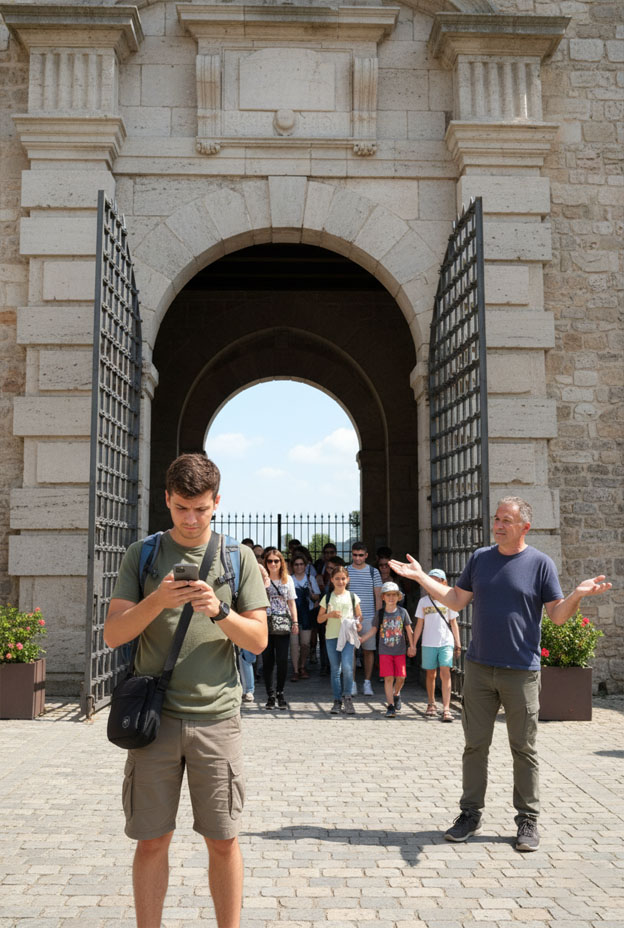
The fix? Walk up to the attraction and check for yourself. Don’t take unsolicited advice from strangers, especially if it conveniently leads you to a gem shop or carpet store. Most major attractions have their hours posted online anyway.
I’ve had this happen in Delhi and Bangkok, and every single time, the attraction was actually open. Funny how that works, right? :/
4. Recognize Restaurant Red Flags
Multi-Language Picture Menus
When you see a menu with photos and text in six different languages, run. Or at least walk briskly in the opposite direction. Real local restaurants don’t need picture menus because they’re serving people who already know what the food looks like.
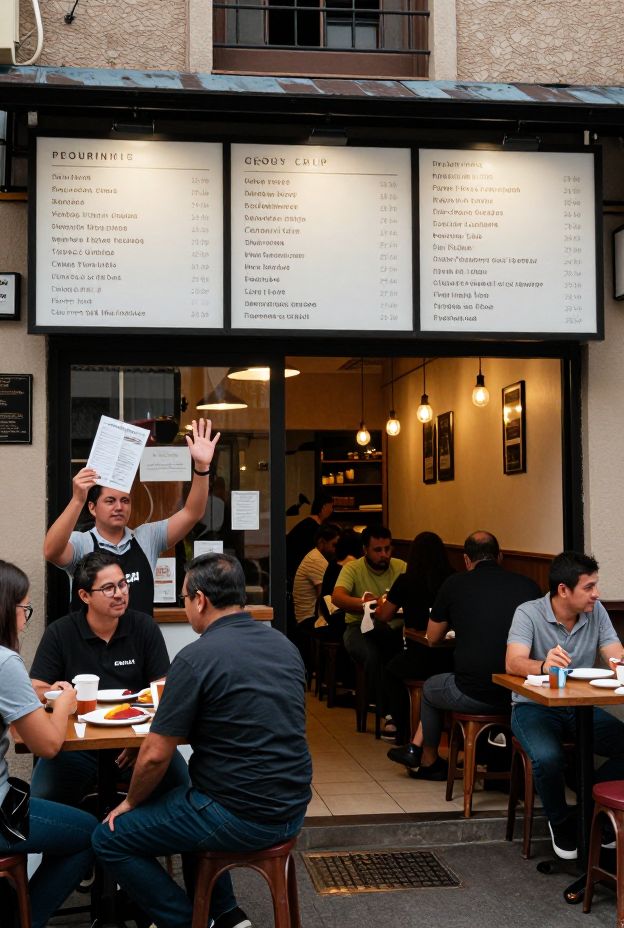
Aggressive Greeters Outside
You know those guys standing outside waving menus and practically dragging you in? Yeah, that’s not how good restaurants operate. Quality establishments don’t need to harass pedestrians because they’re already full of satisfied customers.
The best restaurants I’ve found were the ones I had to search for, tucked down side streets with locals lined up outside. Those are the spots worth your time and money.
5. Master the Art of Haggling
In many countries across Asia, the Middle East, and Latin America, haggling isn’t just expected—it’s part of the culture. If you pay the first price quoted at a street market, you’re probably paying two or three times what locals pay.

Always check prices at 2-3 different stalls before buying anything. This gives you a baseline for what’s reasonable. Start your counter-offer at about 50% of their asking price and work your way up.
Don’t feel bad about negotiating. Vendors factor haggling into their pricing strategy. They’re not insulted; they expect it.
6. Use Official Transportation Apps
Taxi scams are ridiculously common in tourist areas. Drivers claim the meter is broken, take you on “scenic routes,” or straight-up refuse to use the meter at all. Sound familiar?
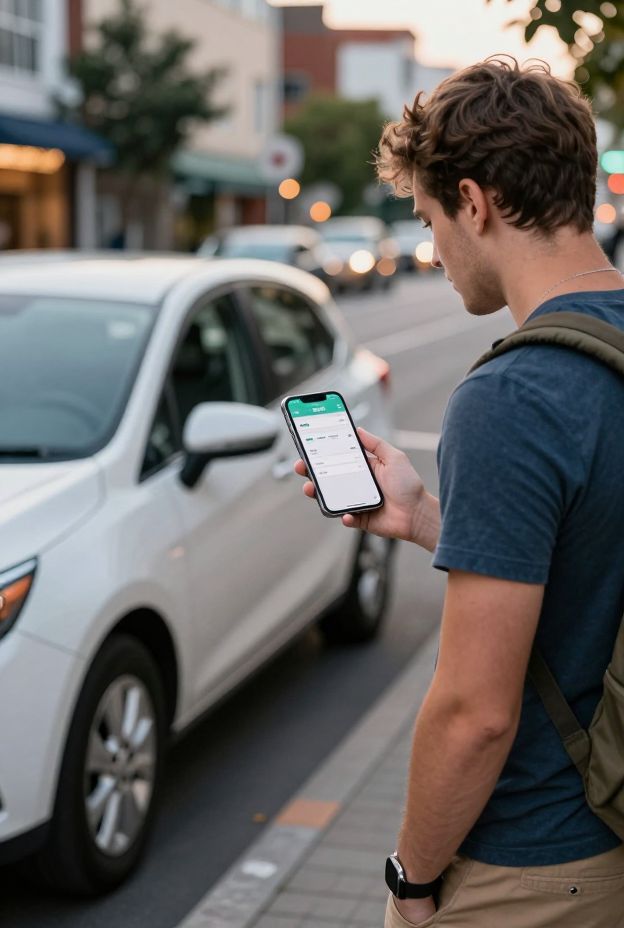
Use ride-hailing apps like Grab, Uber, or Bolt whenever they’re available. The fare is set upfront, you don’t need to negotiate, and you have a record of your journey. FYI, this alone has saved me hundreds of dollars over the years.
If you must use a traditional taxi, insist the meter runs before you sit down. If the driver refuses, find another cab. It’s that simple.
7. Avoid Currency Exchange Scams
Those street money changers offering “amazing rates”? They’re amazing at short-changing you, that’s for sure. They count bills lightning-fast, distract you with conversation, or hide fees in tiny print.
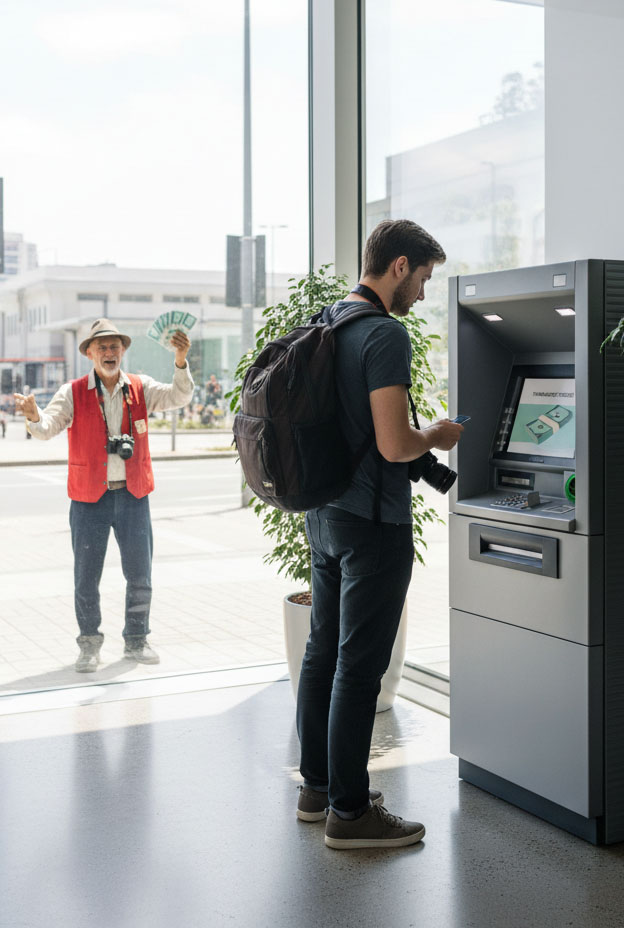
Stick to ATMs or reputable exchange offices inside banks. Yeah, airport rates aren’t great, but they’re better than getting ripped off by a sketchy street exchanger.
Download a currency converter app like XE so you can check the real exchange rate in real-time. Knowledge is power, especially when someone’s trying to confuse you with math.
8. Book Tours the Smart Way
Never Book on the Street
Those touts offering “cheap tours” on the street are usually selling overpriced experiences or, worse, completely fake tours. Book your tours online through reputable platforms like GetYourGuide, Viator, or Klook where you can read actual reviews.

Know What’s Included
Always confirm what’s actually included in the tour price. Does it cover entrance fees? Transportation? Lunch? Hidden charges are how mediocre tour operators inflate their profits while leaving you disappointed.
Read the fine print and recent reviews. If multiple people mention unexpected costs, that tour is a trap.
9. Visit During Off-Peak Times
Want to avoid crowds AND save money? Travel during shoulder seasons instead of peak tourist times. You’ll experience the same destinations with a fraction of the crowds and prices.

Even if you’re visiting during high season, go to popular attractions early in the morning or late in the afternoon. Day-trippers usually arrive mid-morning and leave by late afternoon, creating a sweet spot for savvy travelers.
I visited Angkor Wat at sunrise, and it was magical. Two hours later when I was leaving, it looked like a theme park. Timing matters.
10. Seek Out Lesser-Known Alternatives
Every famous landmark has lesser-known alternatives nearby that offer similar experiences without the tourist circus. Many temples in Japan, for instance, sit right next to famous ones but see a fraction of the visitors.
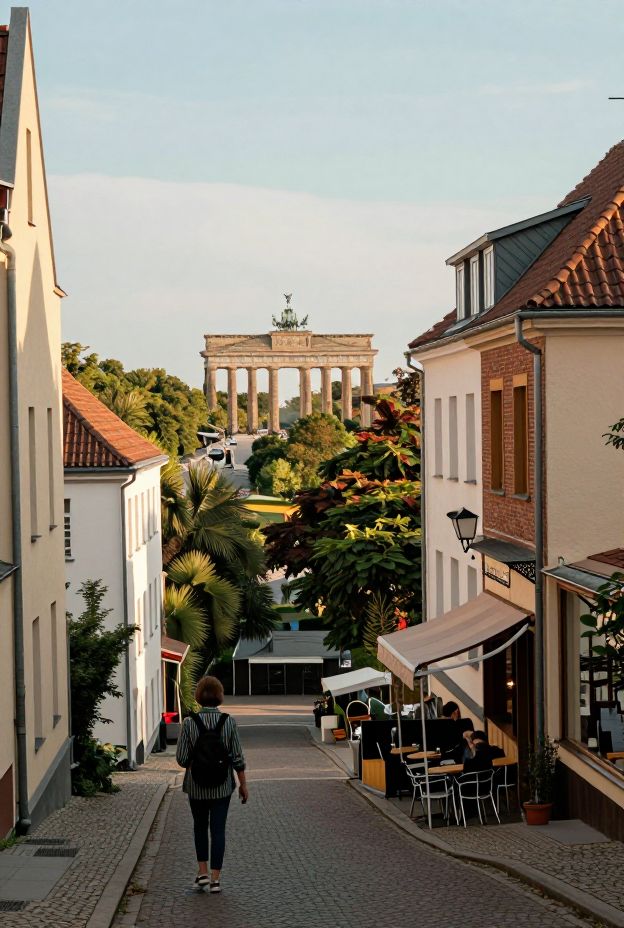
Do some digging to find these hidden gems. They might have slightly smaller buildings or different architectural styles, but they’re just as culturally significant and way more enjoyable to explore.
Plus, you’ll actually have space to take photos without a hundred other people photobombing your shots. 🙂
11. Bring Your Own Snacks and Water
This sounds basic, but hear me out. Tourist sites charge absolutely insane prices for water and snacks. We’re talking $5 for a bottle of water that costs 50 cents at a convenience store three blocks away.
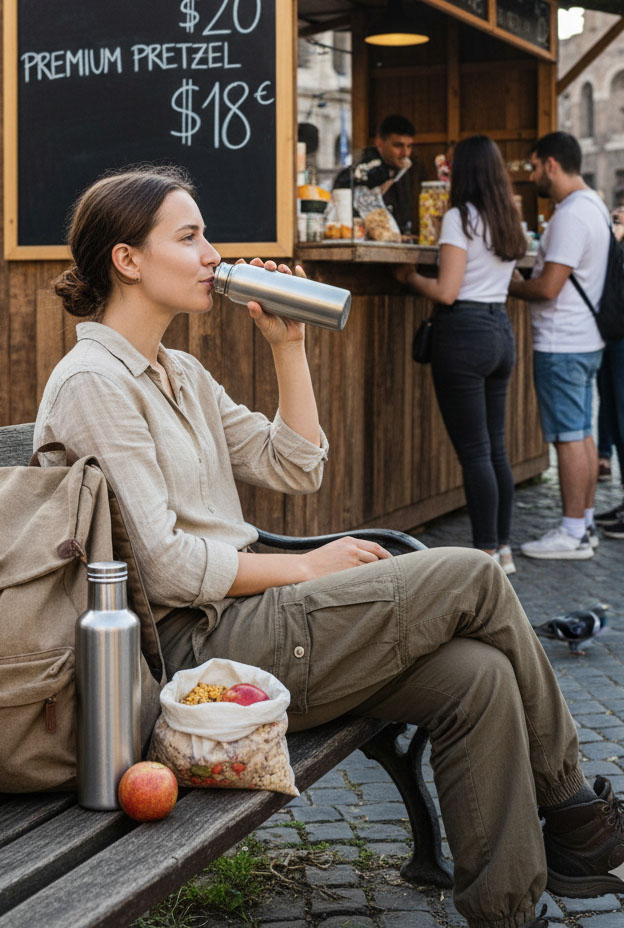
Pack a refillable water bottle and some snacks in your day bag. You’ll stay hydrated and fed without paying the tourist tax every time you get thirsty.
Save that money for experiences that actually matter, like a nice dinner or a cooking class with locals.
12. Support Local Neighborhoods
Instead of staying in the heart of tourist central, look for accommodations in residential neighborhoods where locals actually live. Homestays and boutique hotels in these areas give you authentic experiences and support the local economy directly.

You’ll see how people really live, discover neighborhood restaurants that haven’t been discovered by tour groups, and probably save money on accommodation too. It’s a win-win-win situation.
IMO, some of my best travel memories come from wandering through local neighborhoods, not from checking famous landmarks off a list.
13. Watch Out for the “Found Ring” Scam
Someone “finds” a ring on the ground near you, asks if you dropped it, then examines it closely and claims it’s real gold. They offer to sell it to you for a “good price” that’s still way more than they paid for the cheap fake ring.

Never buy jewelry from strangers on the street. If something seems too good to be true, it absolutely is. This scam works because people think they’re getting a deal, when really they’re buying garbage.
Just politely decline and keep walking. Don’t engage, don’t negotiate, don’t fall for the story.
14. Ask Locals for Real Recommendations
Want to know where to eat, shop, or explore? Ask hotel staff, your Airbnb host, or even your taxi driver where they eat and hang out. Not where they think tourists want to go, but where they actually spend their time.
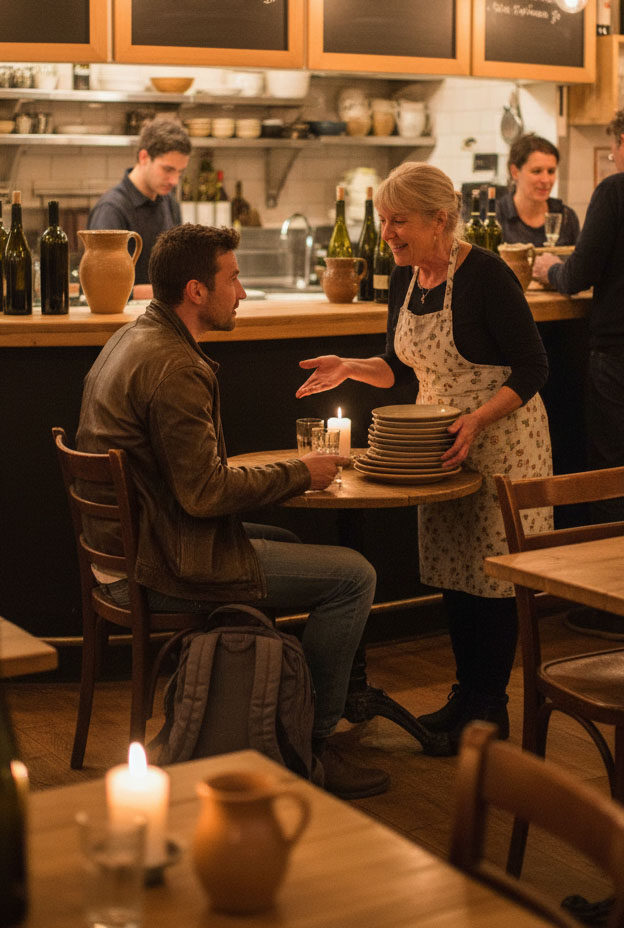
Locals know which places are authentic and which ones exist purely to separate tourists from their money. They’ll point you to family-run restaurants, neighborhood markets, and hidden viewpoints that never make it into guidebooks.
Building these connections makes your trip more memorable anyway. Some of my favorite travel stories involve conversations with locals who showed me their city through their eyes.
Look, tourist traps will always exist. They’re part of the tourism ecosystem, unfortunately. But you don’t have to be a victim of them. With these 14 tips in your back pocket, you can navigate popular destinations like a seasoned traveler instead of a wide-eyed tourist with a target on your back. Stay alert, trust your instincts, and don’t be afraid to walk away from situations that feel off. Your future self will thank you when you’re counting all the money you saved for actually meaningful experiences. Safe travels!