So, you’ve decided to go backpacking for the first time? Awesome! But let me guess: you’re staring at your closet wondering what the heck you actually need to bring, right? I’ve been there, and trust me, the packing part can feel more intimidating than the actual trip. But here’s the thing: you don’t need to bring your entire house on your back. You just need the right stuff.
After my first backpacking disaster (yes, I forgot a sleeping pad and regretted every single moment), I learned what truly matters out there. This list covers the 12 absolute essentials that’ll keep you safe, comfortable, and actually enjoying your adventure instead of cursing your poor life choices at 2 AM.
1. The Right Backpack
Let’s start with the obvious one. You can’t go backpacking without a proper backpack, right? But here’s what most beginners miss: not all backpacks are created equal. You need one specifically designed for backpacking, usually in the 50-70 liter range for multi-day trips.
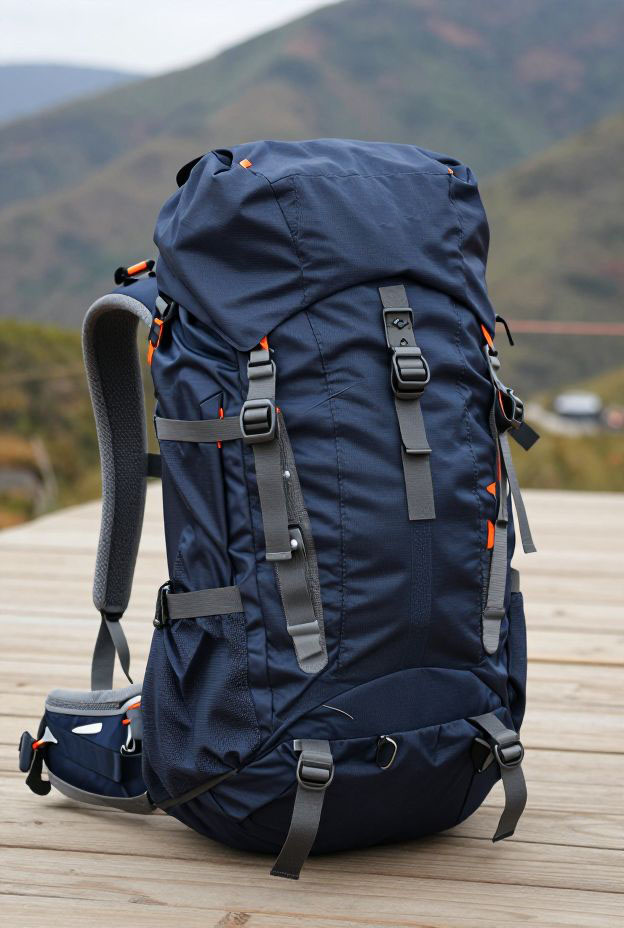
Look for a pack with a proper hip belt because that’s where most of the weight should sit, not on your shoulders. Your hips can handle way more load than your shoulders can. I made the mistake of using a school backpack once, and my shoulders felt like they’d been in a wrestling match by hour two.
Try on different brands before buying. Osprey, Gregory, and REI make fantastic options for beginners. Make sure you can adjust the torso length and that the pack actually fits your body type.
2. Shelter: Your Home Away From Home
Unless you enjoy sleeping under the stars while bugs throw a party on your face, you’ll need shelter. A lightweight backpacking tent is your best bet for beginners. Forget those heavy car camping tents.
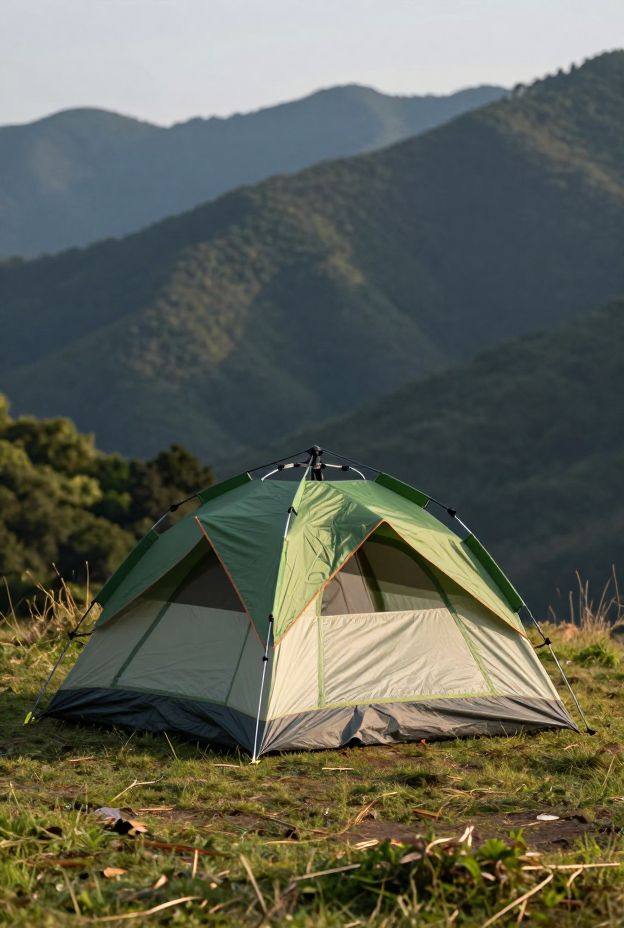
Look for something that weighs under 4 pounds and is freestanding, which means it stands up on its own without needing to stake it into the ground immediately. This makes setup SO much easier when you’re exhausted. Practice pitching your tent at home before you go. Seriously, do it. You don’t want to figure out tent geometry in the dark while it’s raining.
3. Sleeping Bag
Ever tried to sleep when you’re freezing cold? Yeah, it doesn’t work. Your sleeping bag needs to match the temperatures you’ll encounter. Check the temperature rating and go a bit warmer than you think you’ll need.
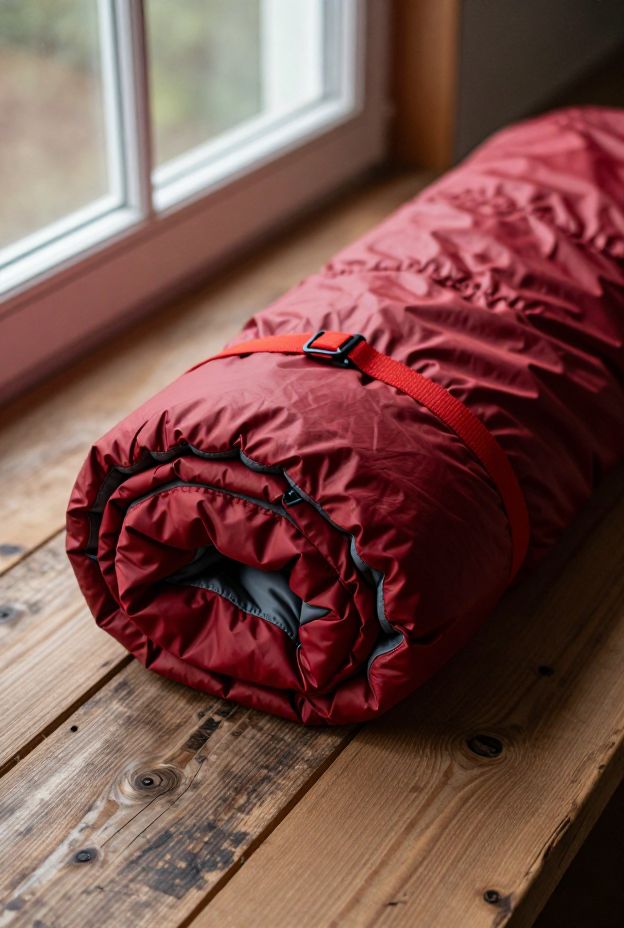
Down bags are lighter and pack smaller, but they’re useless when wet. Synthetic bags are heavier but still insulate when damp. For your first trip, a 20-30 degree synthetic bag works for most three-season conditions. You can always unzip it if you’re too warm, but you can’t magically make a warm bag out of a cold one.
4. Sleeping Pad
This is the item newbies most often skip, and then they spend the night feeling every rock and root while their body heat drains into the cold ground. A sleeping pad isn’t a luxury—it’s insulation between you and the freezing earth.
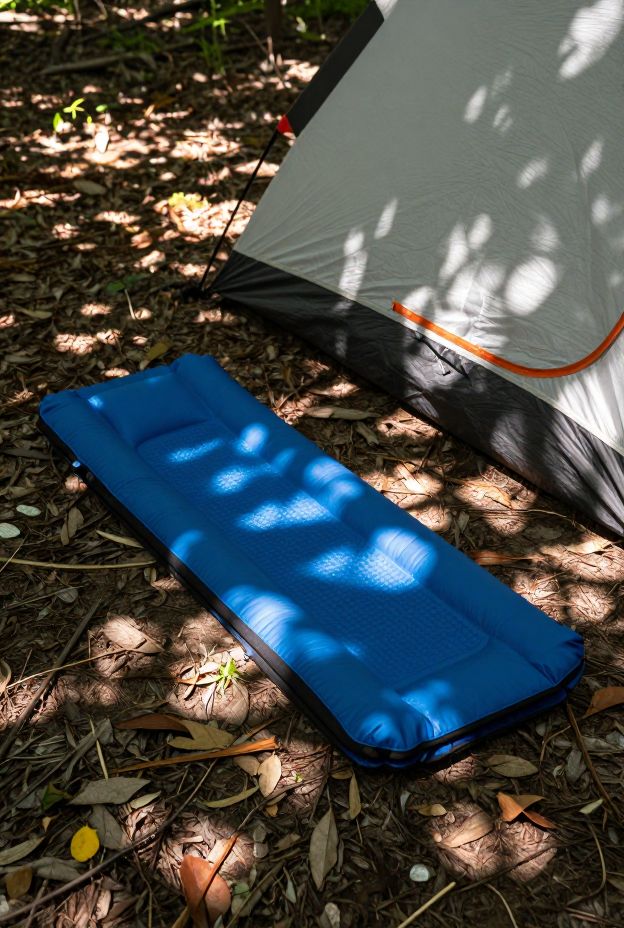
You’ve got two main options: foam pads or inflatable pads. Foam pads are bulletproof and cheap but bulky. Inflatable pads are comfortable and pack small but can puncture. IMO, spend a bit more on a good inflatable pad with a high R-value (that’s the insulation rating). Your back will thank you.
5. Water Filter or Purification System
Water is heavy, so you can’t carry all you need for multiple days. You’ll need to filter or purify water from natural sources. Sawyer Squeeze filters are popular with backpackers because they’re lightweight, affordable, and easy to use.
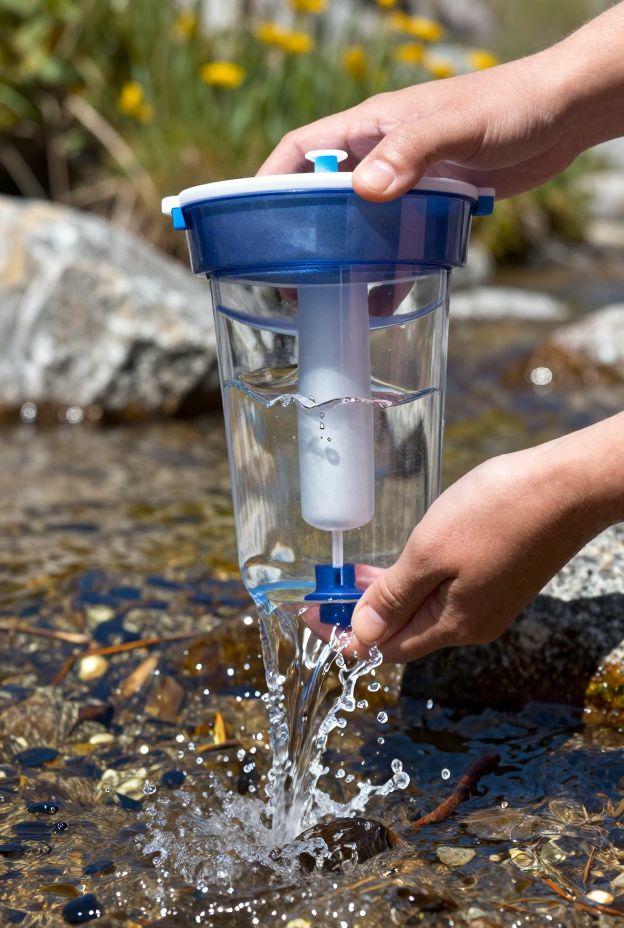
Other options include pump filters, UV purifiers, and chemical tablets. Whatever you choose, make sure you know how to use it before you’re desperately thirsty on the trail. Also, bring at least two 1-liter water bottles or a hydration bladder. Staying hydrated keeps you energized and prevents headaches and cramps.
6. Cooking System
Unless you’re into cold meals for every dinner (no judgment, but also no thanks), you need a way to cook. A lightweight backpacking stove and fuel canister will change your trail life. There’s something magical about a hot meal after a long day of hiking.
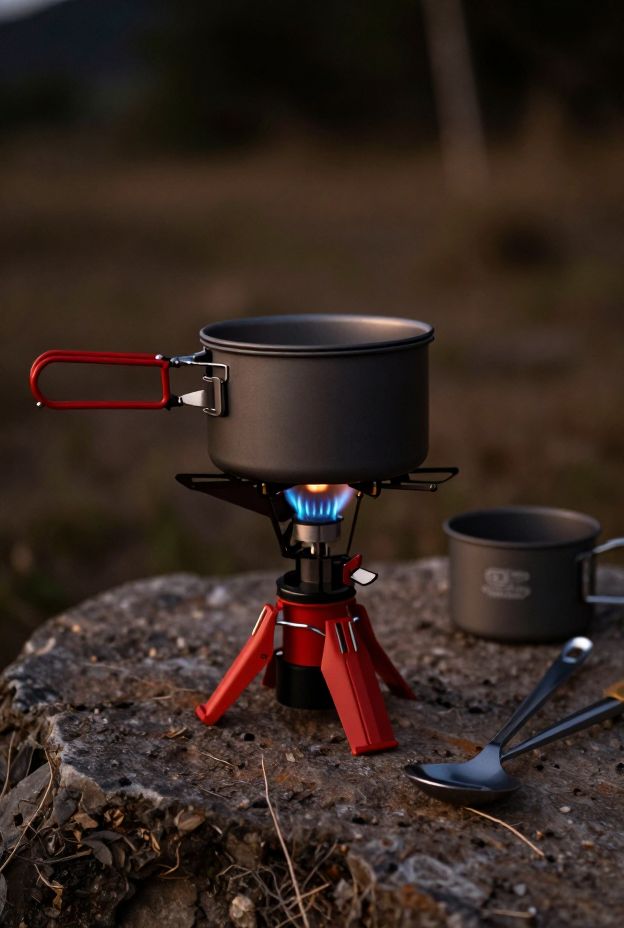
Canister stoves are the easiest for beginners—just screw on the fuel and light it up. Bring a small pot (around 750ml works great), a long spoon or spork, and a lighter. Pro tip: bring two lighters because Murphy’s Law says one will definitely stop working when you need it most 🙂
7. Headlamp
Once the sun goes down, you’ll realize how incredibly dark nature gets. A headlamp keeps your hands free for cooking, setting up camp, or finding your way to the bathroom spot in the middle of the night.
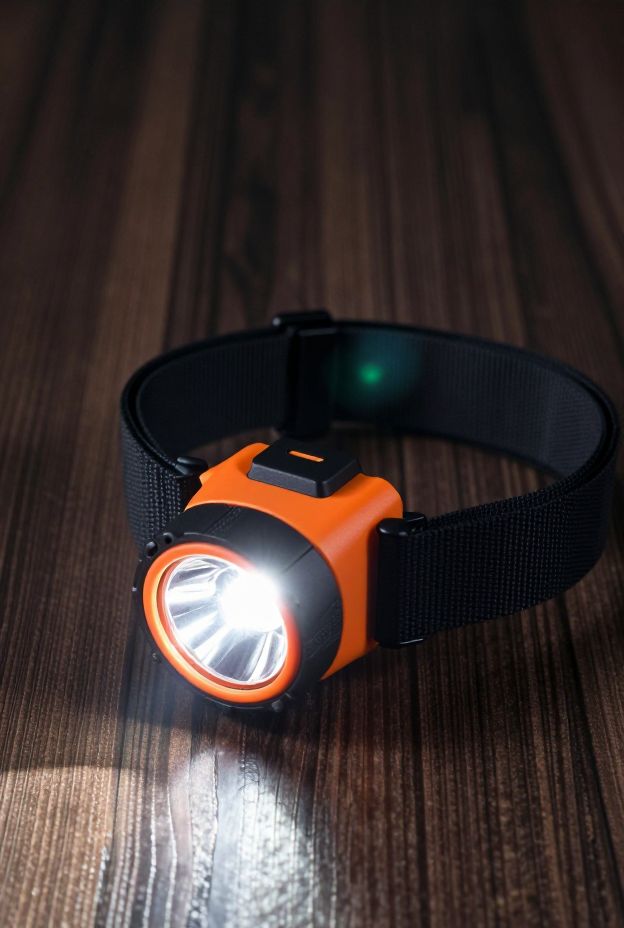
Don’t cheap out here. Get one with at least 200 lumens and a red light mode that won’t destroy your night vision. Pack extra batteries, too. Nothing kills the vibe faster than being stuck in pitch darkness because your headlamp died.
8. Navigation Tools
Your phone’s GPS is great until your battery dies or you lose signal (which happens more than you’d think). Always bring a physical map and compass and actually know how to use them.
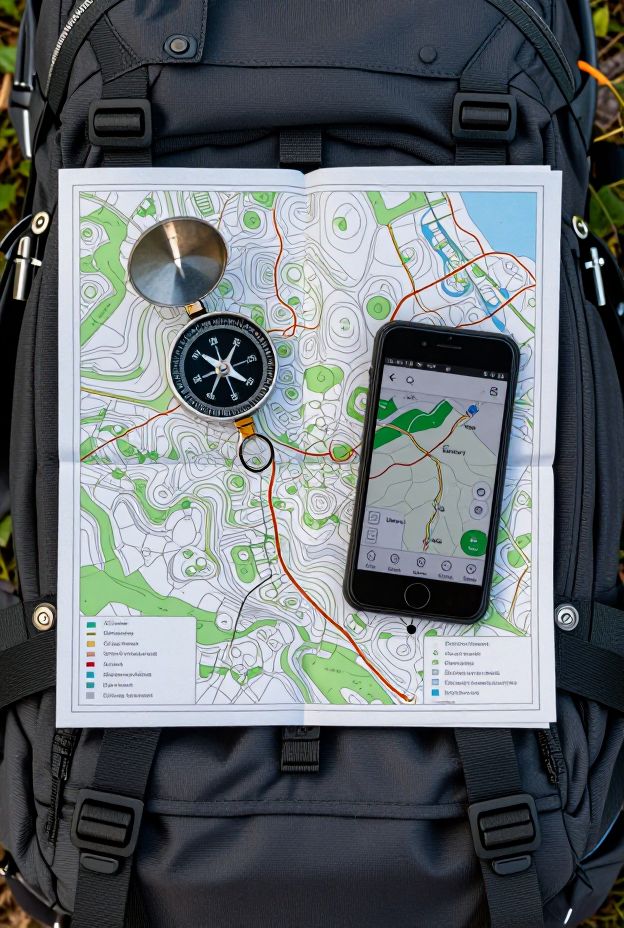
Download offline maps on your phone as a backup using apps like AllTrails or Gaia GPS. A small portable battery bank can keep your devices charged, but don’t rely solely on electronics. Old-school navigation skills can literally save your life if things go sideways.
9. First Aid Kit
Hopefully, you won’t need it, but you absolutely should have one. A basic first aid kit should include bandages, blister treatments (seriously, blisters are the most common injury), pain relievers, antibiotic ointment, and any personal medications you need.
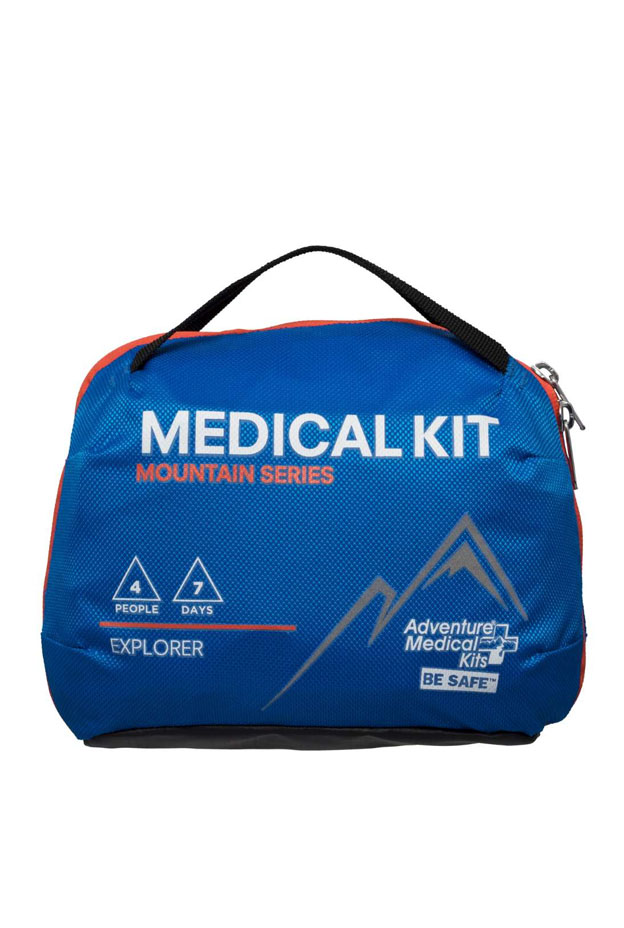
Add in tweezers for splinters, athletic tape for sprains, and antihistamines for allergic reactions. Don’t forget sunscreen and insect repellent—sunburns and bug bites can make you miserable fast. FYI, moleskin is a blister’s worst enemy and your best friend on the trail.
10. Appropriate Clothing Layers
The weather can change faster than your mood when you’re hangry. Layering is the secret to staying comfortable. Skip cotton—it holds moisture and makes you cold. Go for synthetic or merino wool materials instead.
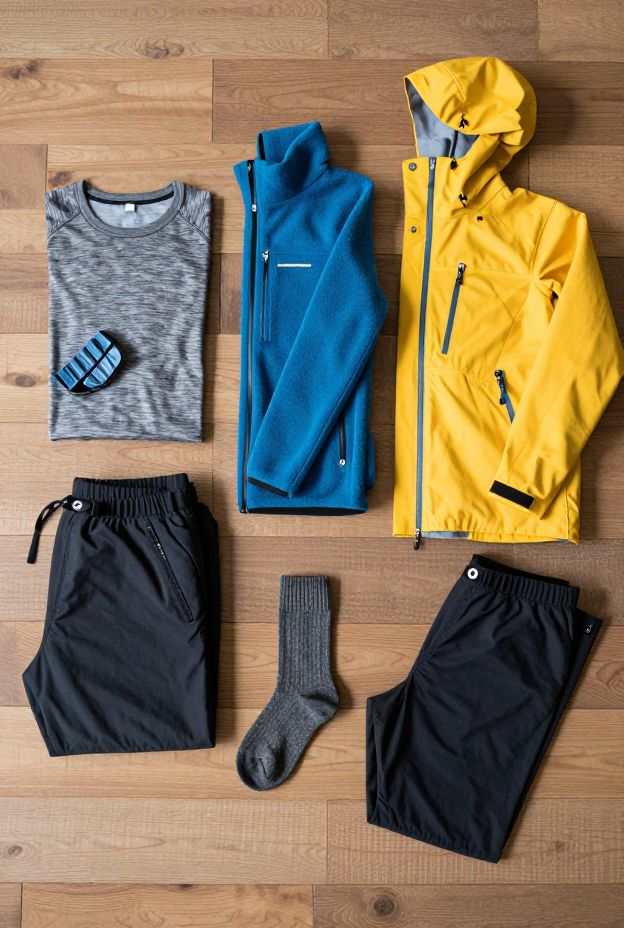
Here’s what you need: a moisture-wicking base layer, an insulating mid-layer (like a fleece), and a waterproof outer layer (rain jacket). Bring one pair of hiking pants or shorts, two pairs of socks, two pairs of underwear, and a warm hat. You’ll wear the same clothes multiple days, and that’s totally normal. This isn’t a fashion show.
11. Food and Snacks
Backpacking burns serious calories, so bring more food than you think you’ll need. Dehydrated meals are lightweight and easy—just add boiling water and wait. Brands like Mountain House and Good To-Go taste way better than you’d expect.
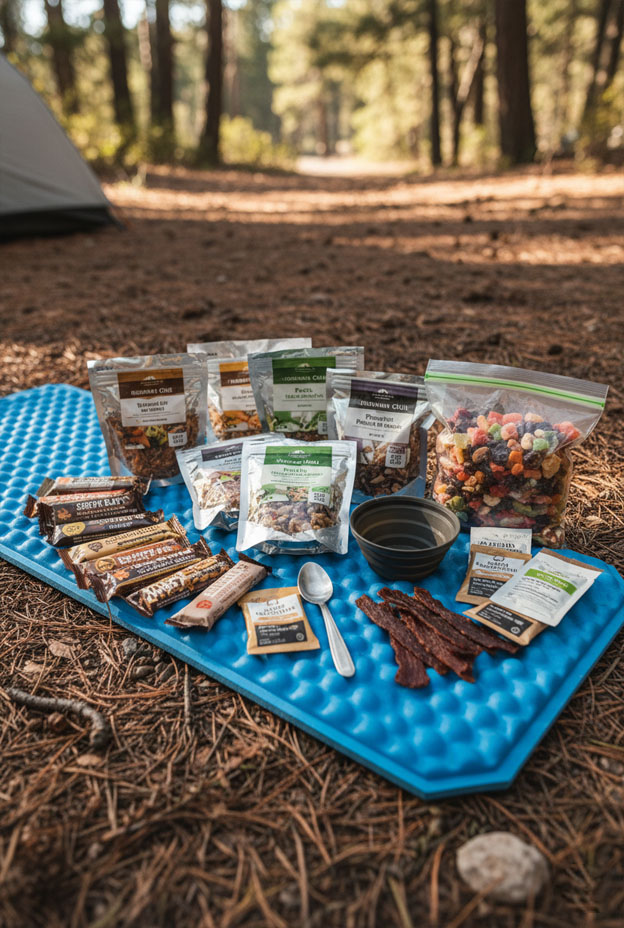
Pack high-energy snacks like trail mix, energy bars, jerky, and nut butter packets for quick fuel during the day. Bring at least one extra day’s worth of food in case your trip takes longer than planned. If you’re in bear country, you’ll also need a bear canister or Ursack to store your food safely at night.
12. The Poop Kit (Yes, Really)
Let’s talk about something nobody mentions until it’s too late. You need a bathroom system for the backcountry. This means a lightweight trowel for digging cat holes, toilet paper in a ziplock bag, and hand sanitizer.
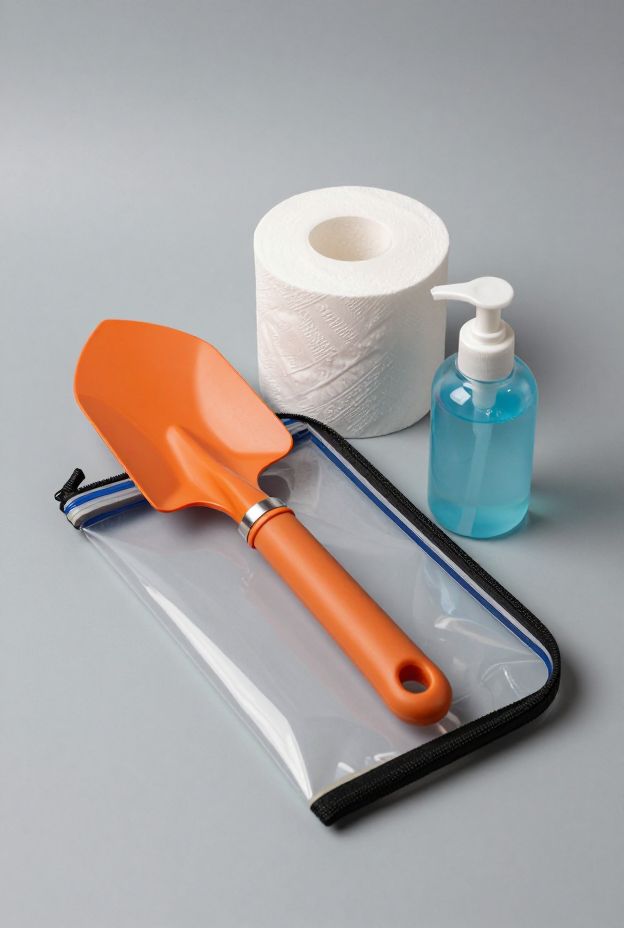
Here’s the deal: you dig a hole 6-8 inches deep at least 200 feet from water sources, do your business, and bury it. Used TP goes in a sealed bag to pack out (gross but necessary). Following Leave No Trace principles means future hikers won’t stumble upon your, uh, contributions. Trust me, this is one area where you don’t want to wing it.
Final Thoughts
Backpacking opens up a whole new world of adventure that day hikers never see. With these 12 essentials in your pack, you’ll be ready to handle whatever the trail throws at you. Start with shorter trips to test your gear and build confidence before tackling longer adventures.
The most important thing? Get out there and actually do it. You’ll make mistakes, learn what works for you, and probably have some hilarious stories to tell later. Every experienced backpacker started exactly where you are right now, staring at their gear wondering if they forgot something important. You’ve got this!