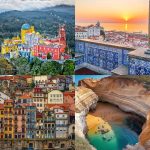
Planning a European adventure but stuck on when to go? You’re not alone. Europe transforms dramatically with each passing month, offering completely different experiences depending on whether you catch it in winter’s grip or summer’s embrace. I’ve learned the hard way that timing can make or break your trip, and trust me, you don’t want to show up in Norway in January expecting beach weather 🙂
This guide breaks down 15 incredible European destinations month by month, so you can match your travel style with the perfect season. Whether you’re chasing snow-capped peaks, sun-drenched beaches, or shoulder season deals, I’ve got you covered.
January: Embrace the Winter Magic
January might sound like a tough sell for Europe, but hear me out. This month offers some seriously unique experiences you won’t find any other time of year. Plus, the crowds? Practically non-existent.
Canary Islands, Spain
Need to escape winter altogether? The Canary Islands deliver year-round sunshine when the rest of Europe freezes. You’ll find temperatures hovering around a comfortable 20°C, perfect for beach days without the summer crowds. The volcanic landscapes make for incredible hiking, and the local seafood scene will make you want to move there permanently.

Rovaniemi, Finland
On the flip side, maybe you actually want winter in all its glory? Rovaniemi sits in Arctic Finland and goes all-in on the winter wonderland vibe. We’re talking -12°C average temperatures, but that’s exactly the point.
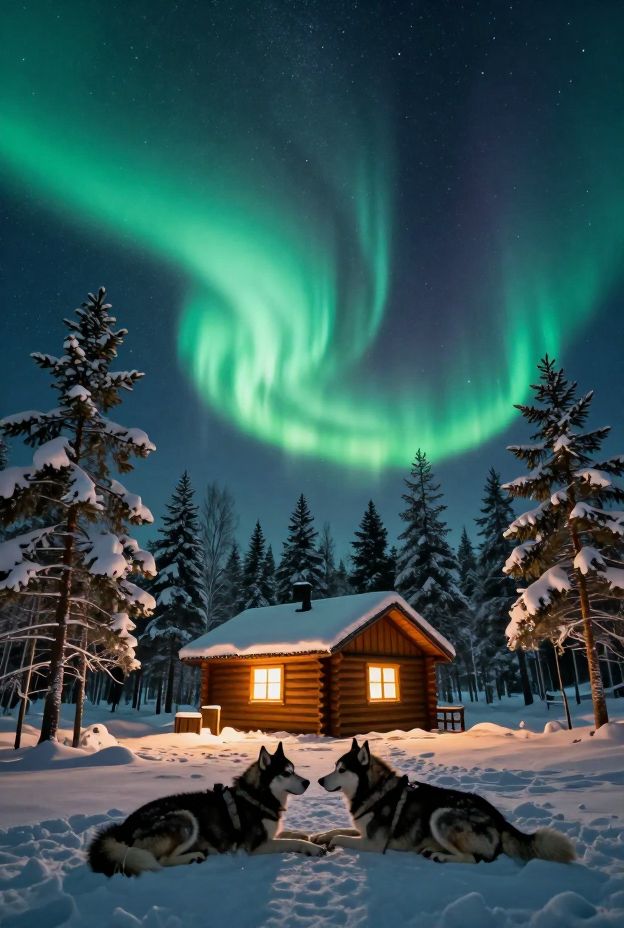
You can experience:
- Northern Lights viewing at peak season
- Husky sledding through pristine snow
- Santa Claus Village for the ultimate festive experience
- Snowmobiling across frozen landscapes
February: Carnival Season and Budget Wins
February gets overlooked, but that’s where smart travelers find their opportunities. The weather’s still crisp, but you’ll score some amazing deals.
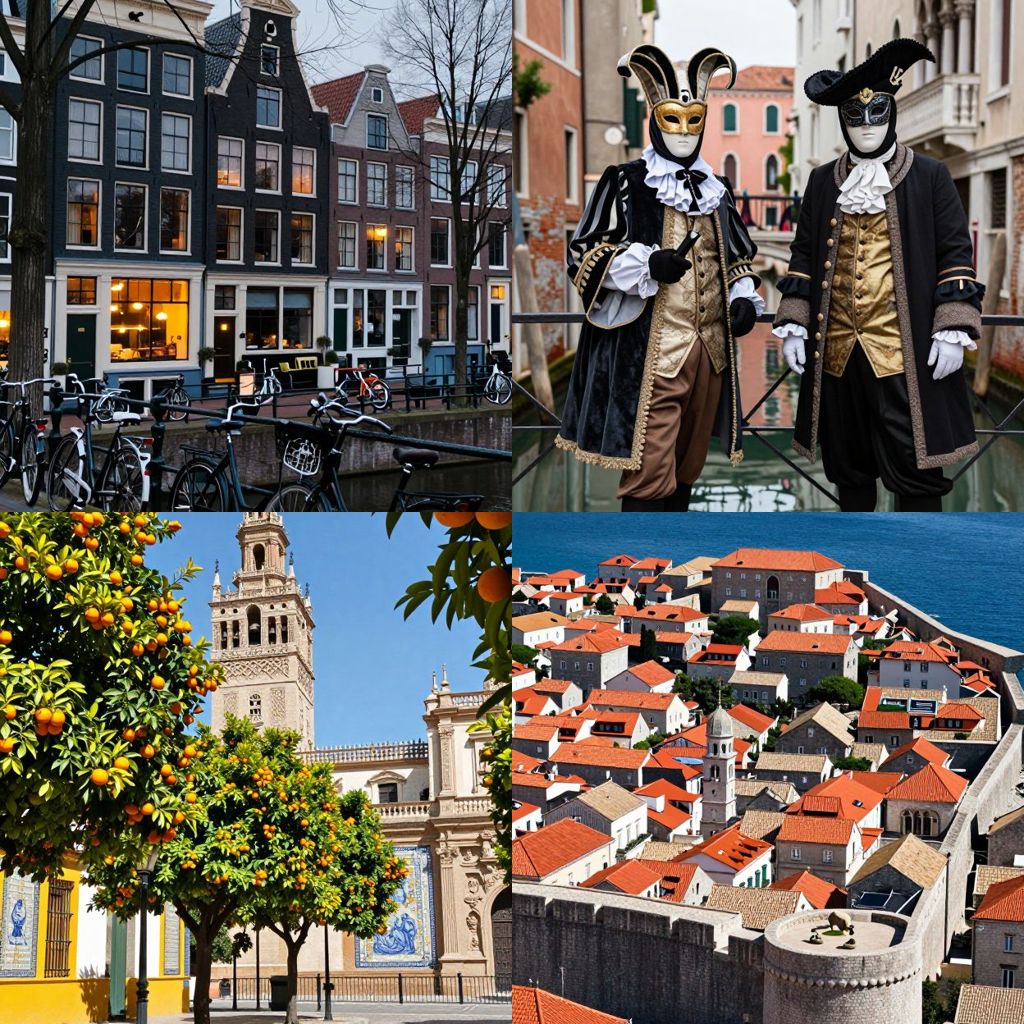
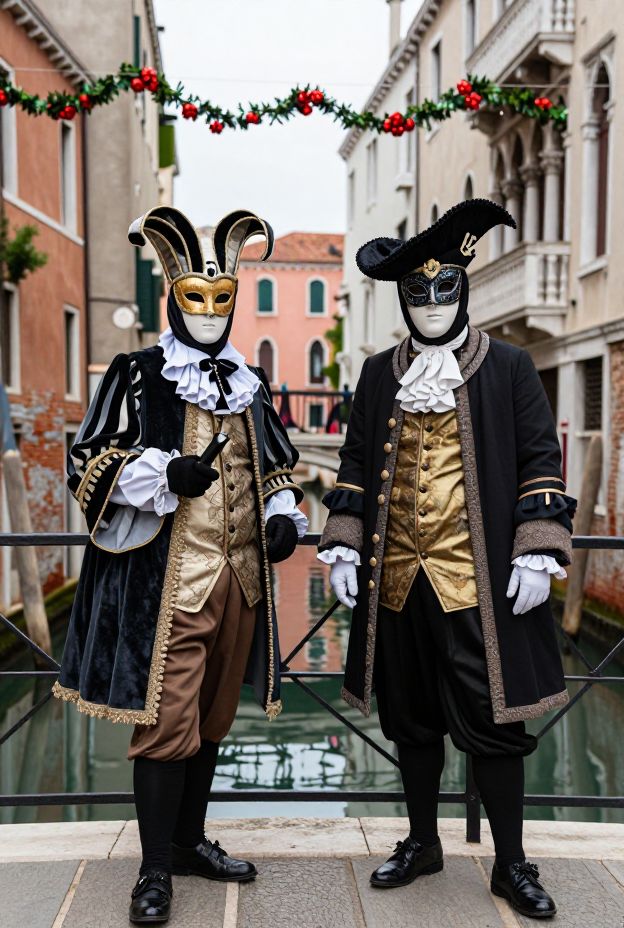
Venice, Italy
Venice Carnival transforms this already magical city into something straight out of a fantasy novel. The elaborate masks, the centuries-old traditions, the mystery of it all. February brings Venice to life in ways summer tourists never see. Yeah, it’s chilly, but you’ll have gondola rides without feeling like sardines in a can.
Amsterdam, Netherlands
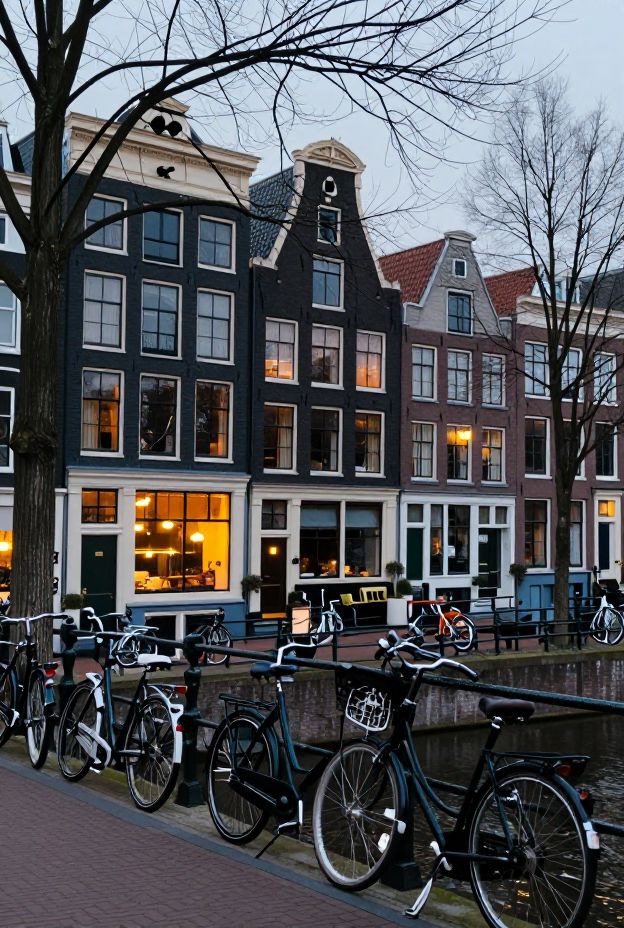
Amsterdam in February offers one of the best budget-friendly European experiences. The coffee houses become even more inviting when there’s a chill in the air (FYI, I’m talking about actual coffee here). You can explore the Van Gogh Museum, Anne Frank House, and canal districts without battling summer hordes. The money you save on accommodation alone makes winter Amsterdam worth considering.
March: Spring Awakening
March marks that magical transition when Europe starts waking up. You’ll catch blooming flowers, warming weather, and prices that haven’t hit peak season yet.
Seville, Spain
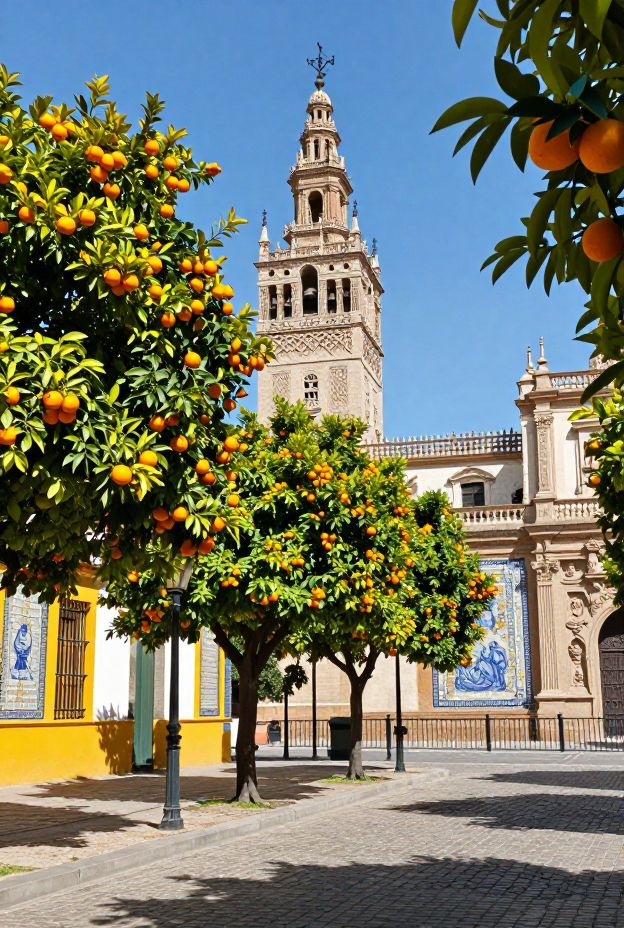
Seville in March hits differently. The orange trees start blooming, filling the streets with incredible fragrance. Temperatures climb to pleasant levels without the brutal summer heat that makes sightseeing feel like a survival challenge. You can actually enjoy walking through the Alcázar gardens and exploring the Gothic Cathedral without melting.
April: Tulips and Cultural Festivals
April brings Europe into full spring mode. The continent explodes with color, festivals kick into gear, and the weather becomes genuinely pleasant.
Amsterdam, Netherlands
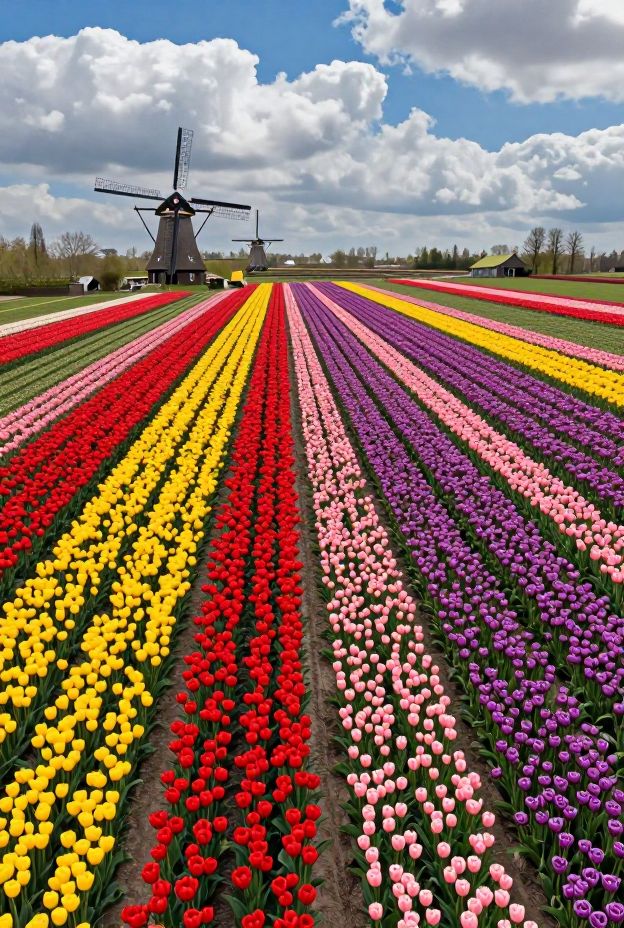
Yes, Amsterdam makes the list again, but April Amsterdam deserves its own section. Why? One word: tulips. The nearby Keukenhof Gardens showcase over seven million bulbs in bloom. The entire country goes flower-crazy, and honestly, it’s spectacular. You haven’t truly experienced Holland until you’ve seen it drowning in tulips.
Paris, France
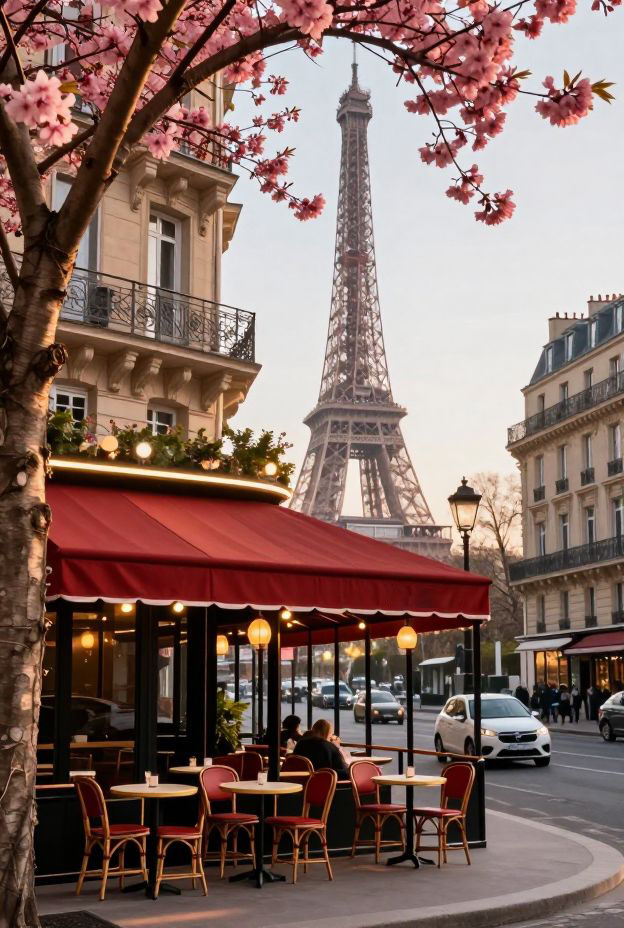
Springtime Paris isn’t just a cliché, it’s genuinely one of the best times to visit. The Luxembourg Gardens come alive, café terraces fill up, and that golden Parisian light photographers obsess over? It’s real. You can stroll along the Seine, visit the Louvre without endless lines, and enjoy outdoor dining before summer tourists flood the city.
May: Perfect Weather Window
IMO, May ranks as one of the absolute best months for European travel. The weather’s warm but not hot, everything’s blooming, and you’re still in shoulder season territory for many destinations.
Bruges, Belgium
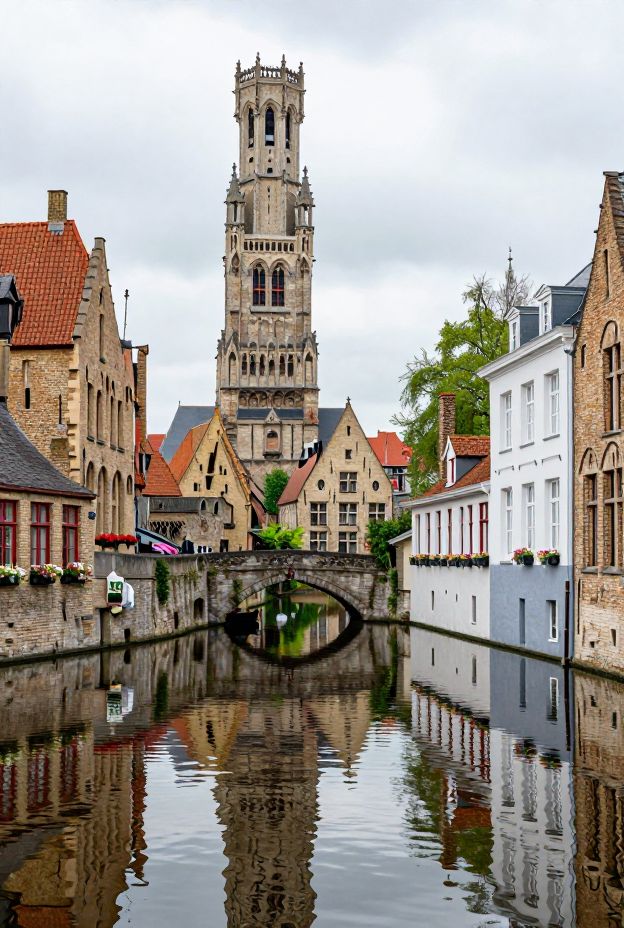
Bruges in May offers mild temperatures and that fairytale medieval atmosphere without winter’s bite. The canals reflect spring sunshine, cobblestone streets stay dry, and you can climb the 13th-century Belfry without freezing. The Basilica of the Holy Blood and canal boat tours become infinitely more enjoyable when you’re not shivering the whole time.
Provence, France
Provence starts warming up beautifully in May. While lavender fields won’t peak until next month, you’ll enjoy peaceful countryside minus the crowds. Perfect for hiking, biking through vineyards, and exploring those ridiculously charming villages that look photoshopped but aren’t.

June: Summer Begins
June brings that sweet spot where summer officially arrives but school holidays haven’t started yet. You get great weather with slightly fewer tourists than July and August.
Norwegian Fjords, Norway
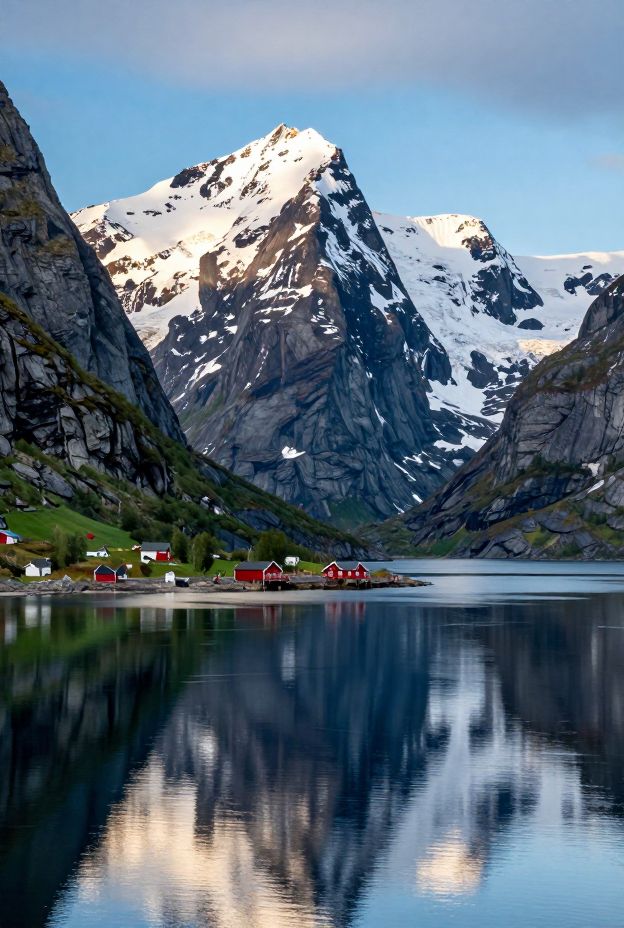
The Norwegian Fjords become incredibly accessible in June. Long daylight hours (we’re talking nearly 24-hour daylight in some areas) let you maximize exploration time. The fjords look absolutely stunning with snow-capped mountains reflected in calm waters. You can hike, kayak, or just stare in awe at nature showing off.
Rome, Italy
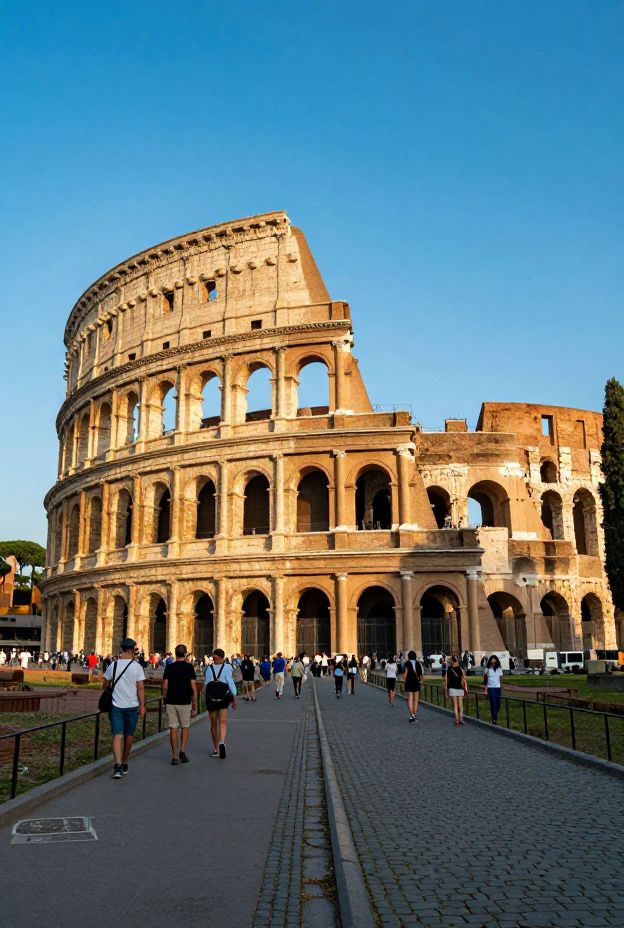
Rome in June offers warm weather before July’s oppressive heat kicks in. You can explore the Colosseum, Vatican, and Roman Forum with energy to spare. The city comes alive with outdoor dining, evening strolls, and gelato that tastes even better in warm weather. Just book accommodations early because everyone else has the same idea.
July: Peak Summer Adventures
July brings full summer mode with hot weather, long days, and yes, crowds. But some destinations absolutely shine this month despite the tourist rush.
Greek Islands
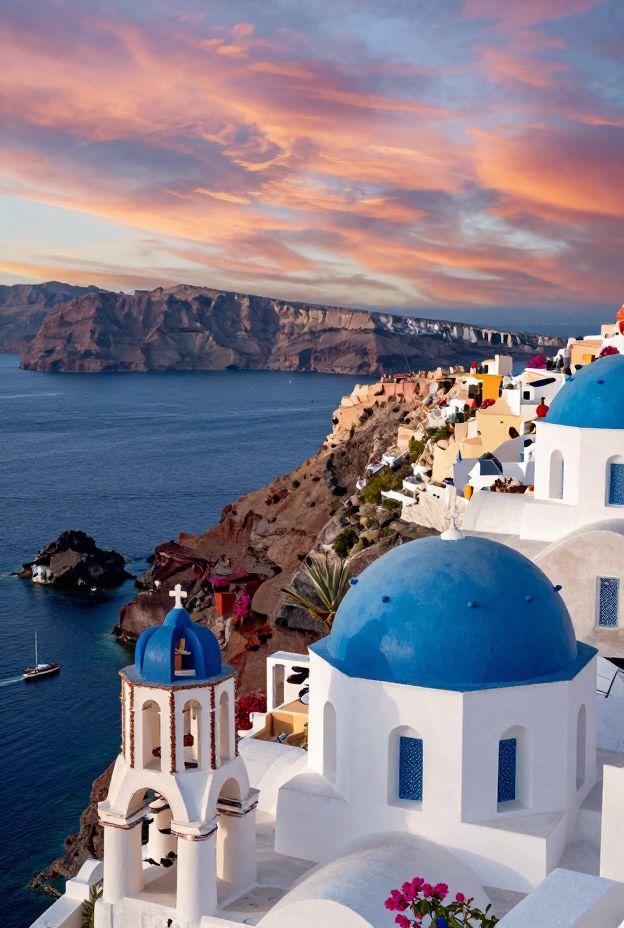
Santorini and Mykonos deliver that classic Mediterranean dream in July. Crystal-clear waters, white-washed buildings, incredible sunsets, fresh seafood. Sure, it’s crowded and pricey, but there’s a reason these islands dominate Instagram feeds. The beach life, nightlife, and overall vibe justify the hype.
August: Beach Season and Festivals
August means peak tourist season across most of Europe. Prices climb, crowds swell, but beach destinations and mountain retreats shine brightest.
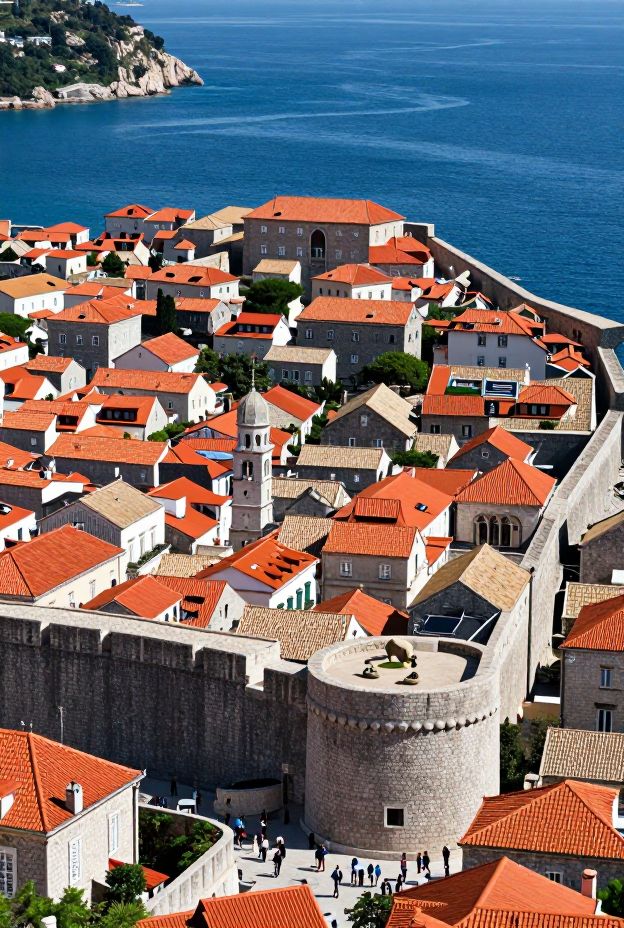
Croatian Coast
Dubrovnik and Split offer stunning Adriatic coastlines with medieval history thrown in. The crystal-clear waters make swimming irresistible, and the coastal towns serve up incredible seafood. Yes, Game of Thrones tourists flock here, but the beauty remains undeniable. Just book months in advance and prepare for crowds.
September: Autumn Gold
September might actually be my favorite month for European travel. Summer heat mellows, crowds thin out, and everything takes on this gorgeous golden quality.
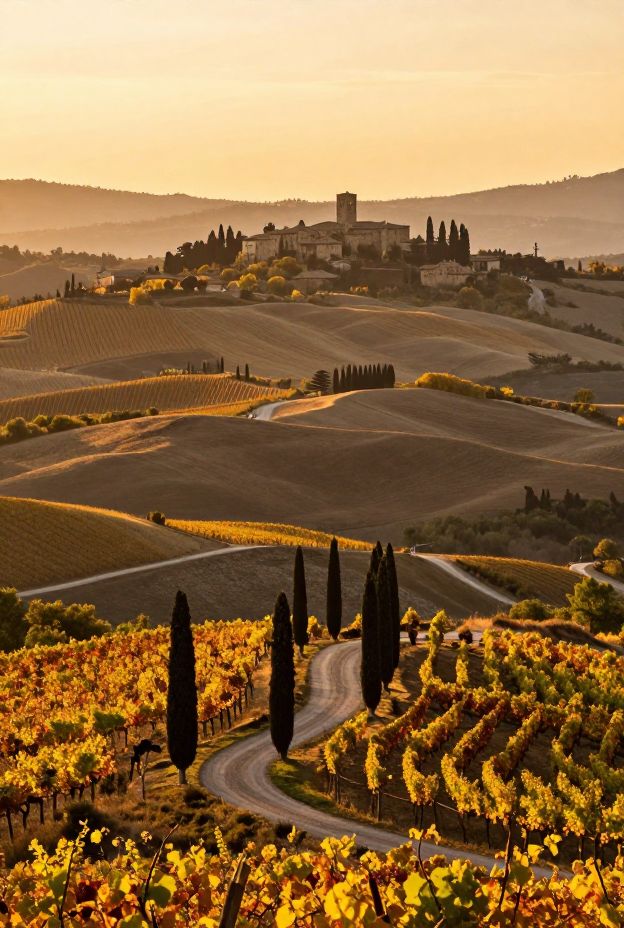
Tuscany, Italy
Tuscany in September means harvest season. The vineyards burst with activity, temperatures become perfect for exploring, and you can participate in wine tastings at their absolute peak. Rolling hills, cypress trees, medieval towns, farm-to-table cuisine – Tuscany delivers the full Italian countryside fantasy without summer’s intensity.
October: Fall Colors and Final Warmth
October brings autumn in full force with changing leaves, cooler weather, and some seriously beautiful landscapes.
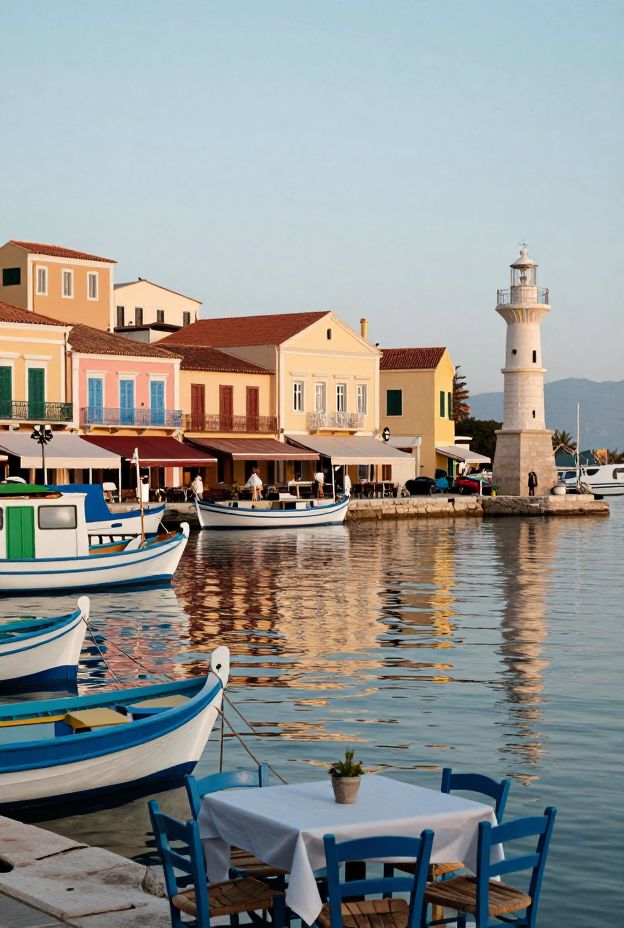
Crete, Greece
Crete extends Greek summer into October with warm weather and reduced crowds. The capital Chania showcases a gorgeous 14th-century Venetian harbor with colorful waterfront buildings. You can still enjoy beaches, but also explore Byzantine walls, maritime museums, and local markets without battling peak season chaos.
November: Autumn Depths
November gets a bad reputation, but it offers unique experiences for travelers willing to embrace cooler weather and shorter days.
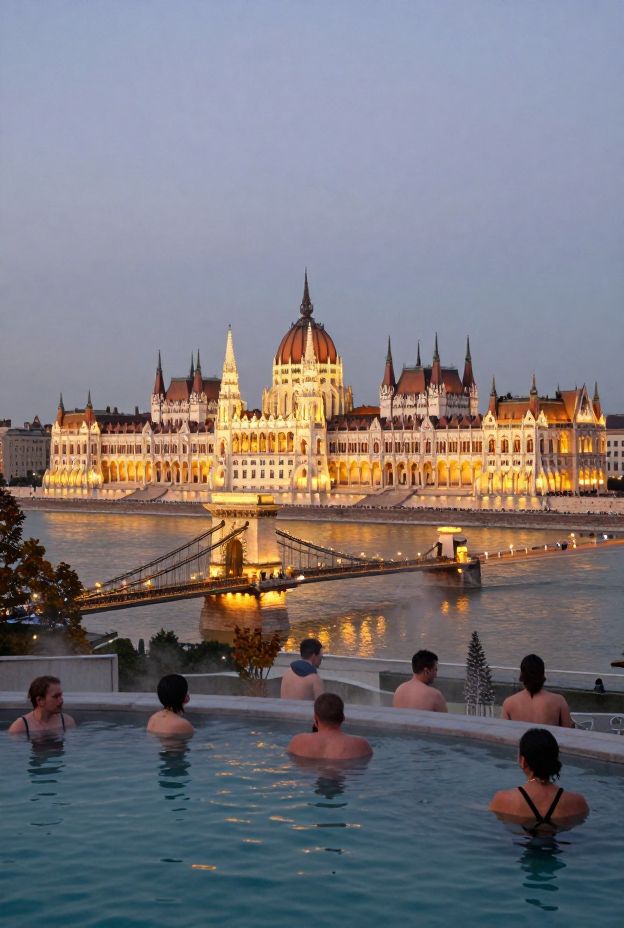
Budapest, Hungary
Budapest shines in November with its famous thermal baths becoming extra appealing in crisp weather. The city’s architecture looks stunning against grey skies, and you can explore Buda Castle, Parliament, and ruin bars without summer tourist crowds. Plus, early Christmas markets start appearing toward month’s end.
December: Christmas Market Magic
December transforms Europe into a Christmas wonderland. Cities compete for the best markets, lights twinkle everywhere, and festive cheer becomes almost overwhelming (in the best way).
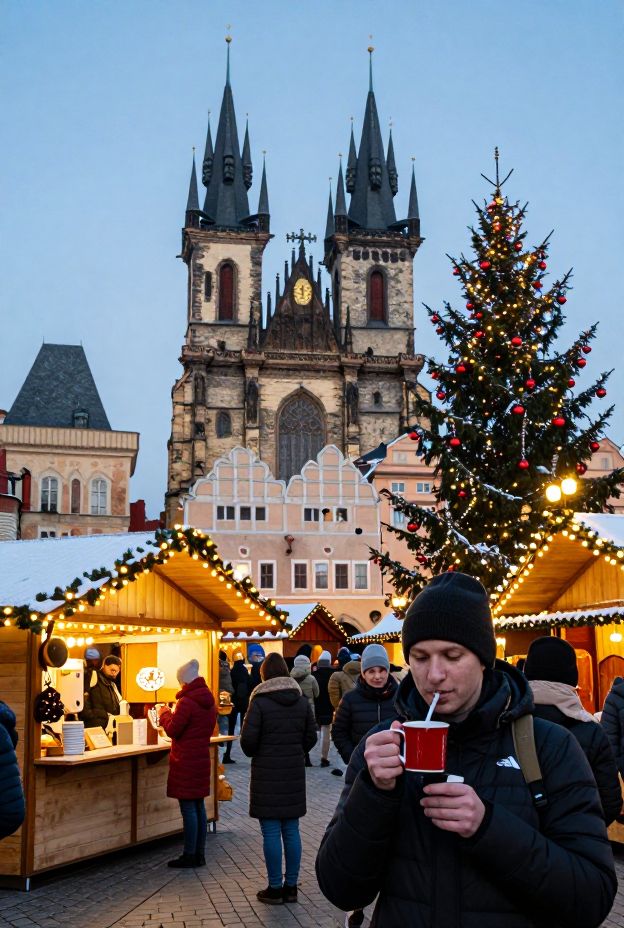
Prague, Czech Republic
Prague absolutely nails Christmas. The Old Town Square Christmas market ranks among Europe’s best, often dusted with snow for maximum fairytale effect. Prague Castle towers over the city, the Gothic architecture looks even more dramatic in winter, and mulled wine becomes your best friend. The cobbled streets, historic bridges, and medieval atmosphere make December in Prague genuinely magical.
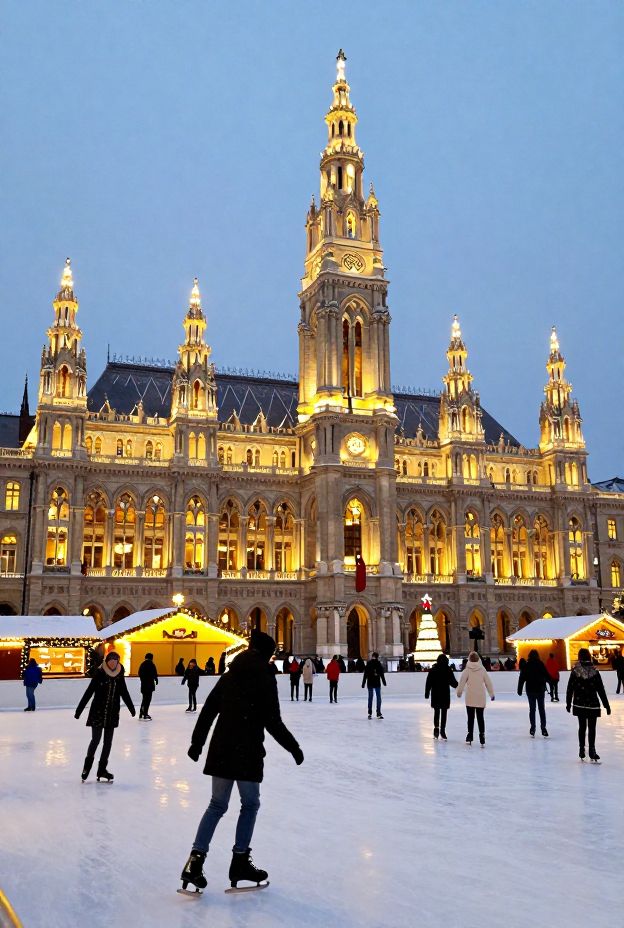
Vienna, Austria
Vienna goes all-out for Christmas with multiple markets throughout the city. The imperial architecture provides a stunning backdrop for holiday festivities. You can attend Christmas concerts, ice skate in front of City Hall, and warm up with traditional Austrian treats. Vienna takes holiday celebrations seriously, and it shows.
Europe rewards travelers year-round, but choosing the right destination for each month makes all the difference. Whether you’re chasing summer beaches, autumn harvests, winter magic, or spring blooms, there’s always somewhere in Europe hitting its sweet spot. The key? Match your travel style with the season that amplifies what you love most. Now stop overthinking it and book that trip already!