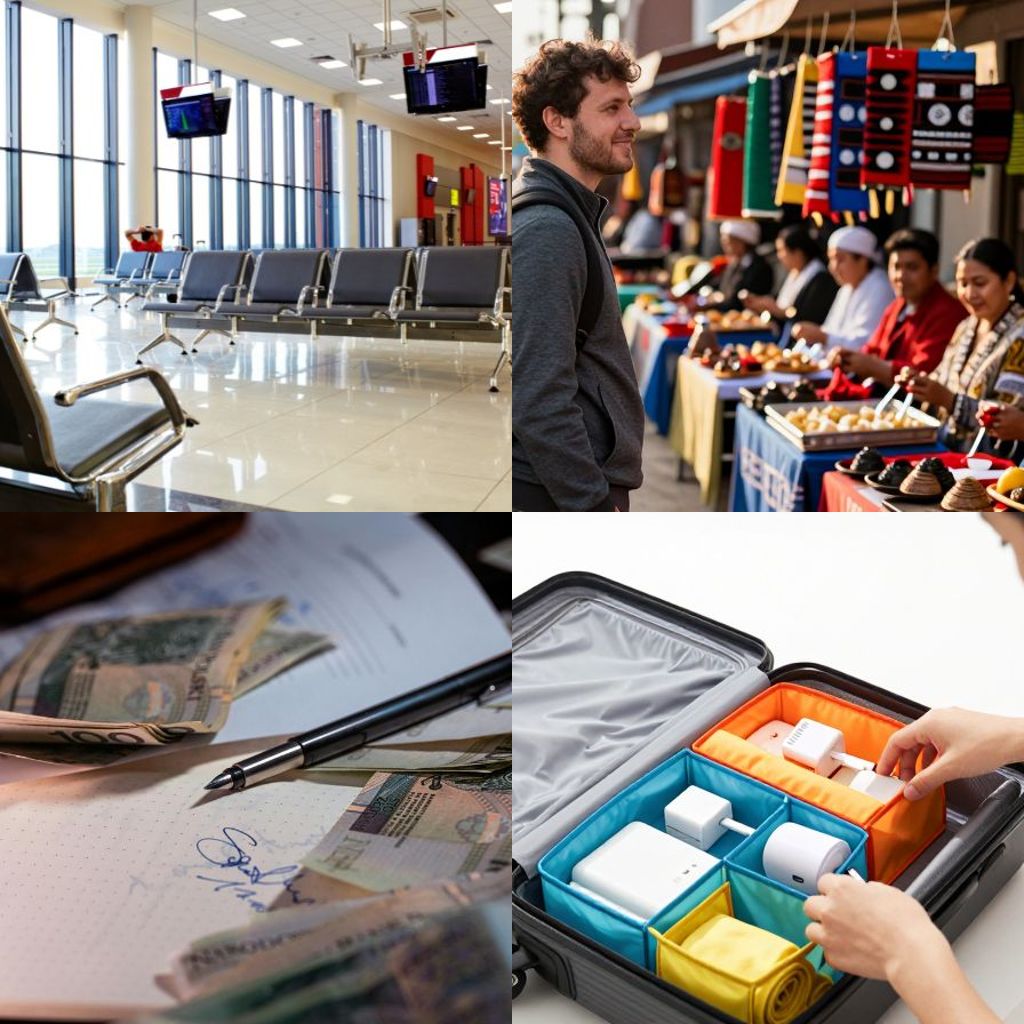
So you’ve finally booked that first international trip? Congrats! But now you’re probably freaking out a little, wondering what you actually need to know before hopping on that plane. Trust me, I’ve been there, standing in my room surrounded by half-packed suitcases and a growing sense of panic. The good news? International travel isn’t nearly as scary as it seems once you know the basics.
Let me walk you through the 13 essential things every first-time international traveler needs to know. Think of this as your no-nonsense survival guide to crossing borders without losing your mind (or your passport).
1. Your Passport Needs More Life Than You Think
Here’s something that catches people off guard: most countries won’t let you in if your passport expires within six months of your arrival date. Yeah, even if it’s technically still valid. I learned this the hard way when I almost got turned away at check-in because my passport had only four months left on it.

Different countries have different rules, but the six-month rule is pretty standard. Some places require three months, while a few rare spots like Paraguay just need a valid passport on arrival. Check your destination’s specific requirements, but honestly? Just renew your passport if it’s anywhere close to expiring. Future you will thank present you for not cutting it close.
Pro tip: Most passports take 4-6 weeks to process, so don’t wait until the last minute. If you need it faster, expedited services exist but cost extra.
2. Visas Aren’t Always Automatic
Not all countries welcome you with open arms just because you have a passport. Visa requirements vary wildly depending on where you’re from and where you’re going. Some places offer visa-free entry, others give you a visa on arrival, and some require you to apply weeks in advance.
Before you book anything, check if your destination requires a visa. Government websites usually have this info, or you can use visa requirement databases online. Some visas are free, while others cost hundreds of dollars. Factor this into your travel budget because surprise visa fees are not fun.
FYI, electronic visas (eVisas) are becoming super common. You apply online, pay a fee, and get approval emailed to you. Way easier than visiting an embassy, IMO.
3. Travel Insurance Is Not Optional
Look, I get it. Travel insurance feels like a waste of money until you actually need it. But here’s the thing: one medical emergency abroad can bankrupt you. Healthcare costs in places like the USA are ridiculously high, and your regular health insurance probably doesn’t cover you internationally.
Good travel insurance covers medical emergencies, trip cancellations, lost luggage, and even evacuation if things go really wrong. Policies vary by region, with coverage for Southeast Asia generally cheaper than coverage for North America or Europe.
You can usually buy travel insurance right up until your trip starts, and some policies let you extend coverage while you’re already traveling. Read the fine print though, because exclusions are real.
4. Currency Exchange Timing Matters
Ever wonder why some travelers seem to have more spending money than others? They probably got smarter about currency exchange. Airport exchange counters have the worst rates, and they know you’re desperate, so they charge accordingly.
Your best bet? Exchange a small amount before you leave (just enough for transportation and immediate needs), then use ATMs at your destination for better rates. Credit cards work great too, but make sure yours doesn’t charge foreign transaction fees. Those add up fast.
Carrying a mix of cash and cards gives you flexibility. Some places are cash-only, while others prefer cards. Having both means you’re never stuck 🙂
5. Research Your Destination Like Your Trip Depends on It
I know spontaneous travel sounds romantic, but it’s also a recipe for stress when you’re a first-timer. Spending time researching your destination before you go saves you massive headaches later. We’re talking culture, laws, customs, transportation options, and local norms.
Some countries have laws that might surprise you. What’s totally normal at home could be illegal elsewhere. Understanding basic cultural expectations also helps you avoid accidentally offending people or looking like a clueless tourist.
Learn a few key phrases in the local language too. “Hello,” “thank you,” “where’s the bathroom,” and “help” go a long way. Apps like Google Translate make this easier, but knowing basics shows respect.
6. Pack Light or Suffer the Consequences
Everyone overpacks their first international trip. Everyone. You think you need seven pairs of shoes and outfit options for every possible scenario. You don’t. Lugging heavy bags up stairs, through train stations, and across cobblestone streets will make you regret every extra item.
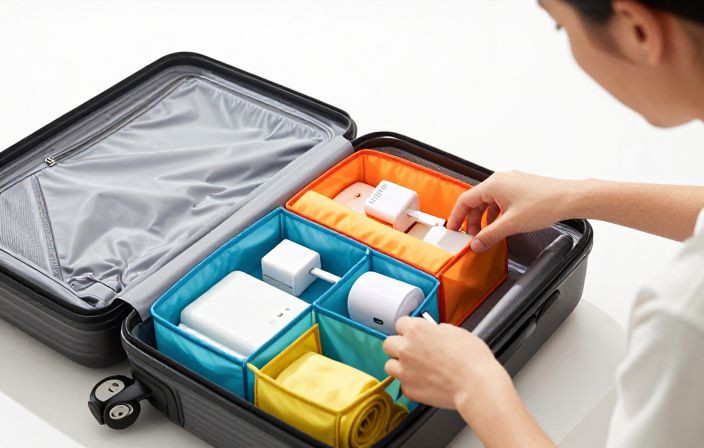
Here’s the rule: If you can’t carry your luggage up three flights of stairs without stopping, you’ve packed too much. Stick to versatile clothing that you can mix and match. Choose a color scheme so everything coordinates.
Packing Essentials Worth Their Weight
- Packing cubes: These organizational lifesavers keep your suitcase tidy and maximize space
- A day bag: For exploring once you’ve dropped your main luggage
- Universal adapter: Different countries have different outlets
- Portable charger: Because your phone will die at the worst possible moment
- Copies of important documents: Both digital and physical
7. Accommodation Options Beyond Hotels
Hotels are fine, but they’re not your only option. Hostels, guesthouses, and vacation rentals often cost less and offer more authentic experiences. Boutique hostels these days have better amenities than budget hotels, and many offer private rooms if you’re not into the dorm scene.
Platforms like Booking.com, Hostelworld, and Airbnb make comparing options easy. If you’re staying somewhere for a while, look for weekly or monthly discounts. Some comparison sites scan multiple booking platforms to find you the lowest prices.
Read reviews carefully. Recent reviews matter more than old ones, and pay attention to what multiple people mention. If five reviews complain about cleanliness, that’s probably a real issue.
8. Transportation Planning Prevents Panic
Nothing says “stressed traveler” like arriving at the airport with no idea how to get to your hotel. Plan your transportation before you land. Know how you’re getting from the airport to your accommodation, and have a backup plan.
Public transportation like buses and trains usually offers the best value and gives you a feel for local life. Ride-share apps like Uber, Grab, or Bolt work in many countries and provide safe, affordable door-to-door service. Download the relevant apps before you travel.
For longer distances between cities, sites like Rome2rio help you compare buses, trains, and flights to find the fastest or cheapest option. Booking major transportation in advance often saves money.
9. Safety Comes From Staying Aware
International travel is generally safe, but you need to stay smart about it. Pickpockets love tourist areas, and they’re incredibly good at what they do. Keep your bags secured in front of you, never leave valuables visible in rental cars, and avoid flashing expensive jewelry or electronics.

Don’t carry all your money in one place. Split your cash and cards between different bags and pockets. If someone robs you, at least they won’t get everything. Store passport copies separately from your actual passport too.
Register with your embassy if you’re going somewhere with potential safety concerns. They can reach you in emergencies. Also, share your itinerary with someone back home so people know where you should be.
10. Health Prep Goes Beyond Insurance
Some countries require specific vaccinations before they’ll let you in. Yellow fever vaccination certificates are common requirements for tropical destinations. Beyond requirements, consider recommended vaccines based on where you’re going and what you’ll be doing.
Visit a travel clinic at least 6-8 weeks before departure. Some vaccines need multiple doses over time. Bring enough prescription medication for your entire trip plus a few extra days, just in case. Keep medications in original containers with your name on them to avoid customs issues.
Pack a basic first-aid kit with bandages, pain relievers, anti-diarrhea medication, and any personal medications. Getting sick abroad is miserable enough without having to hunt for a pharmacy in an unfamiliar place.
11. Your Phone Needs International Capabilities
Your phone becomes your lifeline abroad: maps, translation, communication, bookings, everything. Contact your carrier before you leave to set up an international plan. Some carriers offer affordable daily rates, while others charge astronomical roaming fees that’ll shock you when the bill arrives.
Local SIM cards often provide the best value if your phone is unlocked. You can buy them at airports or phone shops in most countries. Alternatively, eSIMs are gaining popularity for their convenience.
Download offline maps before you go. Google Maps lets you save specific areas for offline use. This saves you when you’re lost with no data connection, which will definitely happen at some point :/
12. Keep Copies of Everything Important
Here’s a scenario nobody wants: you’re robbed and lose your passport, credit cards, and phone all at once. Nightmare, right? Having backup copies of essential documents makes this recoverable instead of catastrophic.
Before you leave, scan or photograph your passport, visa, driver’s license, credit cards, travel insurance policy, and any important reservation confirmations. Email these to yourself and save them in cloud storage. Print physical copies too and pack them separately from the originals.
Write down emergency numbers: your country’s embassy, your bank’s international helpline, your insurance company’s emergency contact, and someone back home. Store these numbers somewhere accessible.
13. Embrace the Cultural Experience
You’re not just visiting a different place; you’re experiencing a different way of life. Approach cultural differences with curiosity and respect rather than judgment. Customs that seem weird to you are normal to locals, and you’re the outsider in this situation.

Different countries have different expectations around tipping, personal space, punctuality, and social interactions. What’s polite in one culture might be rude in another. A little research goes a long way toward avoiding awkward situations.
Try local food, even if it looks strange. Talk to locals when opportunities arise. Say yes to experiences that push you slightly outside your comfort zone. Those unexpected moments often become your best travel memories. The whole point of international travel is expanding your worldview, and that requires actually engaging with places beyond just taking photos.
Final Thoughts
Your first international trip will be imperfect. You’ll make mistakes, get lost, and probably have at least one moment of panic. That’s completely normal and honestly part of the adventure. These 13 basics give you a solid foundation, but experience teaches you the rest.
Start with thorough preparation: valid documents, appropriate insurance, researched destinations, and smart packing. Layer on safety awareness and cultural sensitivity. Then let yourself actually enjoy the experience instead of stressing over every tiny detail.
The world is way more accessible than you think, and people everywhere are generally kind and helpful to travelers who approach them with respect. So take that first international trip. It’ll probably hook you, and suddenly you’ll find yourself planning the next one before you’ve even unpacked from this one. Safe travels!