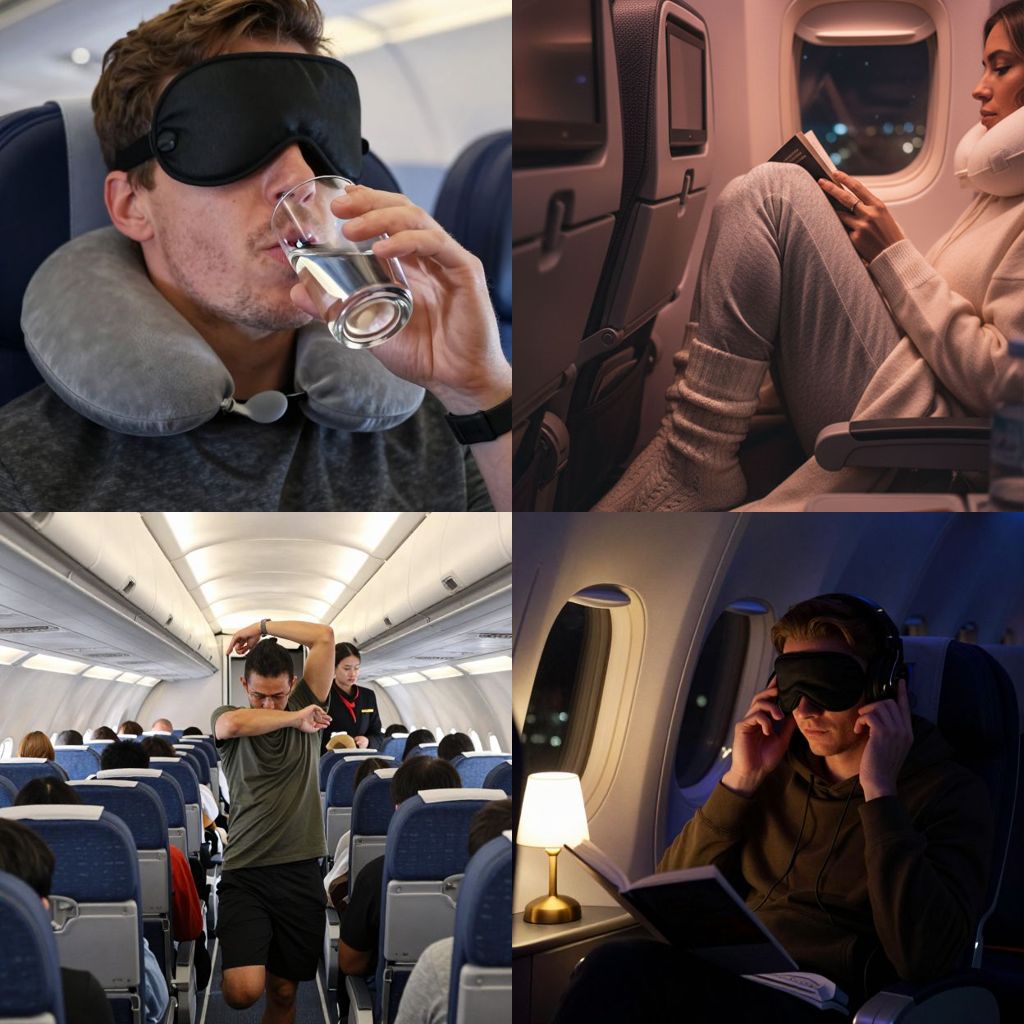
Look, I’ve spent more hours than I’d like to admit crammed into economy seats at 35,000 feet, desperately trying to catch some sleep while my knees practically touch my chin. If you’re dreading your next long haul flight because you know you’ll arrive looking like a zombie, I totally get it. The good news? I’ve figured out some tricks that actually work for getting decent sleep and beating jet lag, and I’m sharing all of them with you right here.
Pick Your Seat Like Your Sleep Depends On It
Window seats are your best friend when it comes to sleeping on planes. You get control over the window shade, nobody climbs over you for bathroom breaks, and you have that wall to lean against. I always book window seats for overnight flights because it makes such a huge difference.
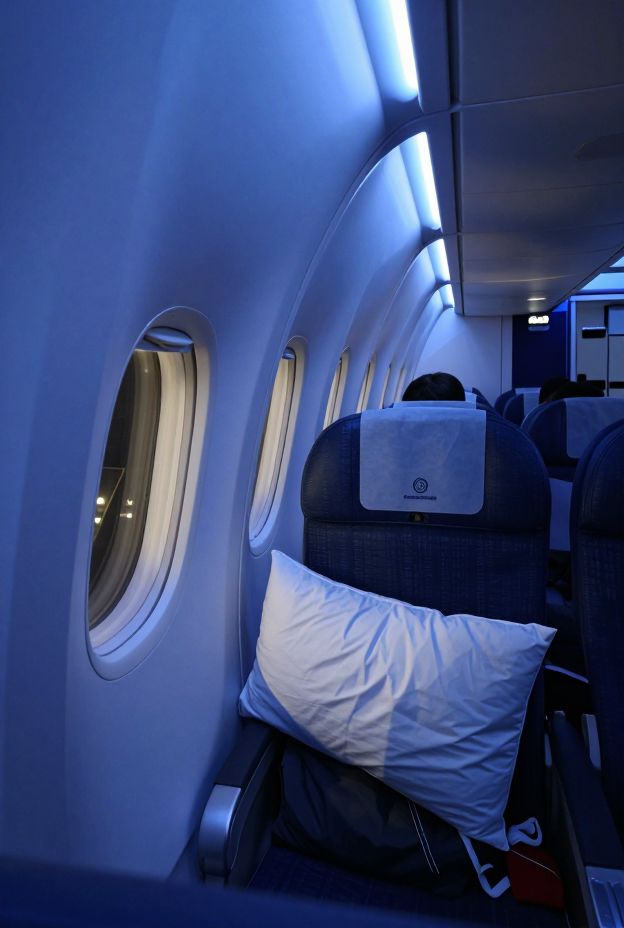
Here’s another pro tip: choose seats above the wings. This area experiences the least turbulence because it’s near the plane’s center of gravity. You’ll feel fewer bumps, which means better sleep. Also, avoid seats near the galley or bathrooms unless you enjoy the sound of constant foot traffic and toilet flushes 🙂
Dress Like Comfort Is Your Only Priority
Forget looking cute for Instagram shots at the airport. I wear the loosest, most comfortable clothes I own on long haul flights. Think soft joggers, oversized hoodies, and breathable fabrics. Your body will thank you when you’re not dealing with tight waistbands or scratchy materials for 12+ hours.
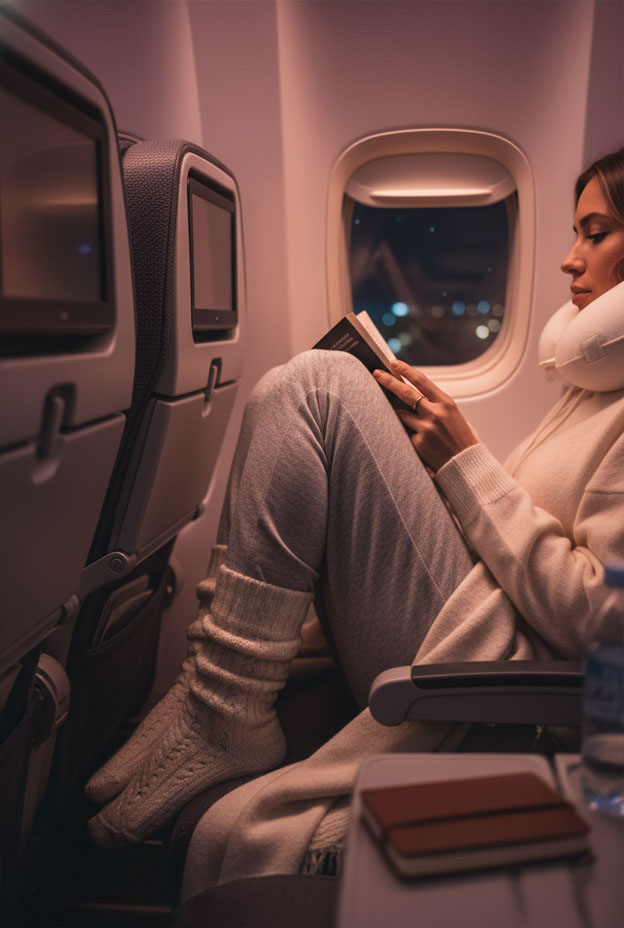
Warm socks are non-negotiable. Planes get cold, and cold feet make falling asleep nearly impossible. I also layer up because cabin temperatures fluctuate like crazy. Bring a light sweater or wrap that you can easily add or remove.
Invest in Actual Sleep Gear
Those flimsy neck pillows from airport kiosks? Yeah, they’re pretty much useless. You need a quality travel pillow that supports your neck and keeps your spine aligned. I finally splurged on a good one after one too many flights where I woke up with neck pain that lasted for days.
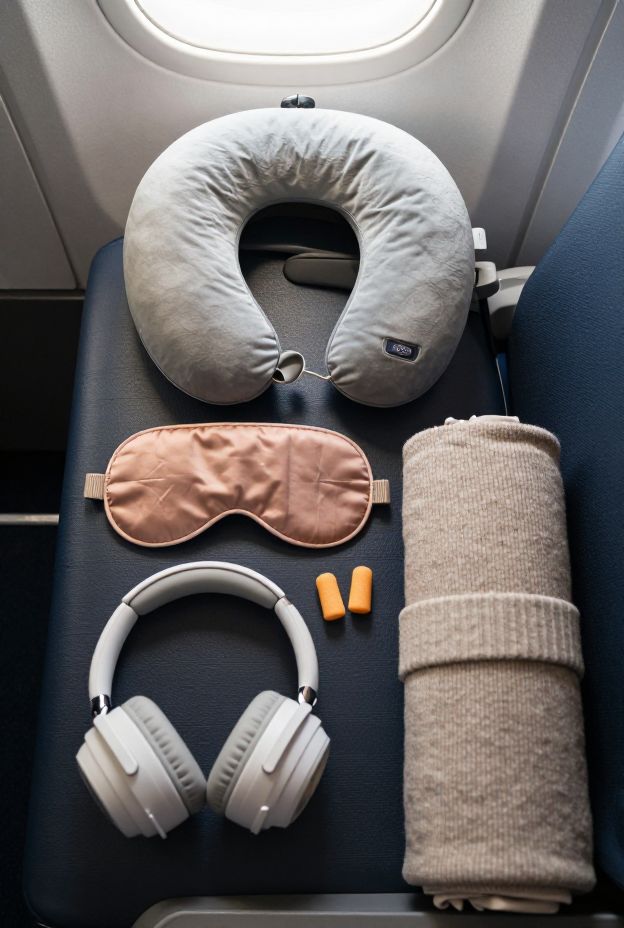
Your sleep kit should include:
- A supportive neck pillow that actually holds your head in place
- Noise-canceling headphones or earplugs to block out crying babies and chatty neighbors
- A quality eye mask that blocks out all light
- A small pillow or rolled-up sweater for lumbar support
Master the Art of Seat Reclining
Yes, you should recline your seat, especially on overnight flights. That’s literally what the recline button is for. Just don’t slam it back during meal service or without checking behind you first. The ideal sleep angle is between 100 and 120 degrees, though economy seats barely recline that far.
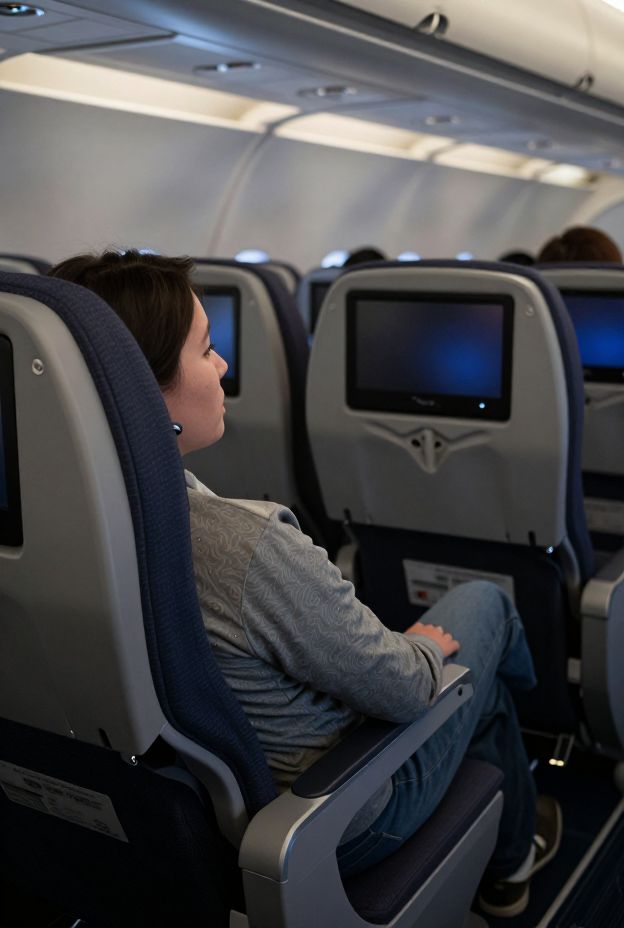
Even a few centimeters of recline reduces pressure on your lower back and takes strain off your neck. FYI, experts say leaning back to a 135-degree angle is the safest position because it decreases the risk of blood clots. Do what you can with the limited recline you’ve got.
Time Your Sleep With Your Destination
This one’s a game changer for beating jet lag. If you’re flying east on an overnight flight, try to sleep during the first half of the flight since it’ll be nighttime at your destination. Close that window shade, put on your eye mask, and ignore the entertainment system.
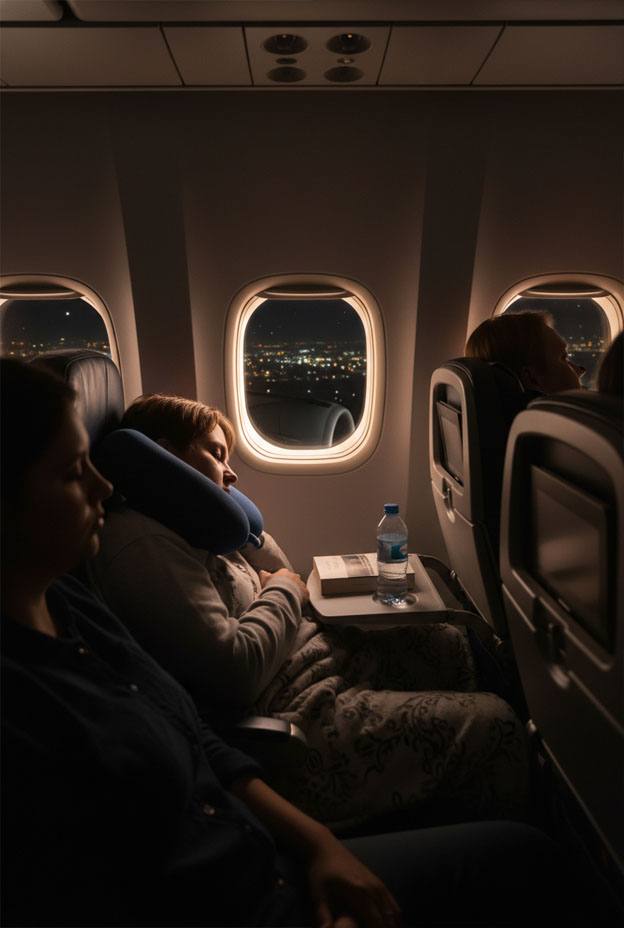
Flying west? Do the opposite. Avoid light exposure during the second half of your flight to delay your circadian rhythm. I know it sounds complicated, but syncing your sleep to your destination’s time zone really does make jet lag less brutal.
Adjust Your Sleep Schedule Before You Fly
Don’t wait until you’re on the plane to start thinking about time zones. Gradually shift your sleep schedule a few days before your trip to align with your destination. If you’re traveling east, go to bed an hour earlier each night. Heading west? Stay up a bit later.
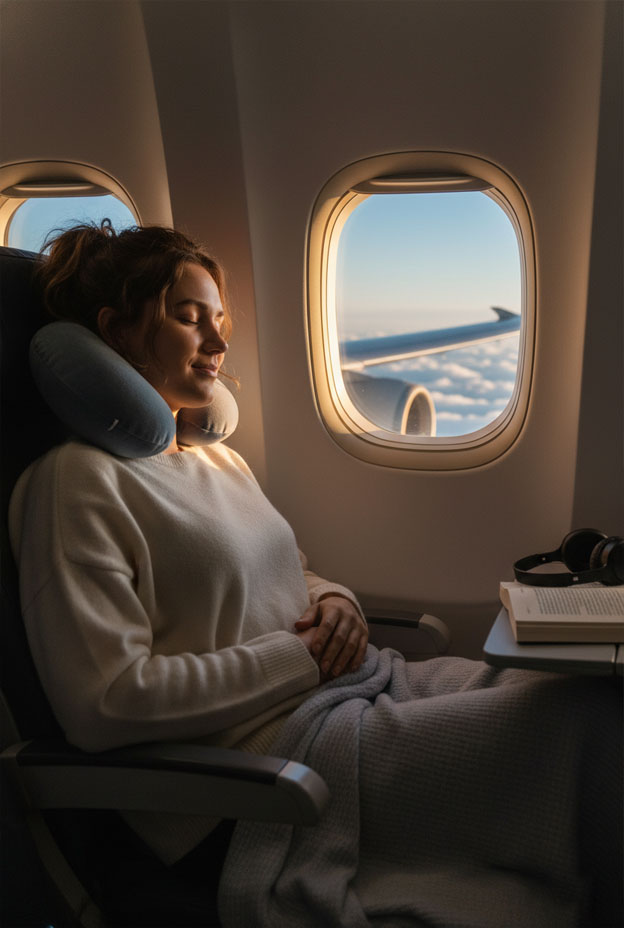
This phase advance technique prepares your circadian rhythm for the change. It sounds like extra work, but trust me, arriving already somewhat adjusted beats spending three days in a jet lag fog.
Watch What You Eat and Drink
Skip the alcohol and caffeine, or at least limit them seriously. I know that free wine seems tempting, but alcohol dehydrates you and messes with your sleep quality. Caffeine stays in your system for hours and will keep you wired when you need to be winding down.
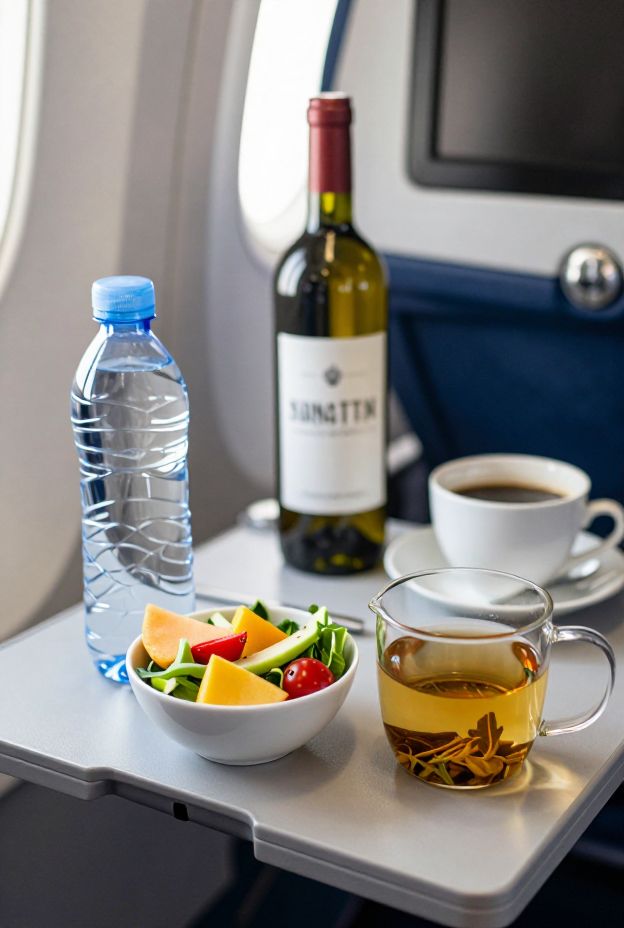
Instead, drink tons of water throughout the flight. Dehydration makes jet lag worse and leaves you feeling gross. Eat small, lighter meals with plenty of fruits and vegetables. Your digestive system doesn’t function great at altitude, so don’t overload it with heavy food.
Create Your Pre-Sleep Routine
Ever wondered why you can’t just pass out on command? Your body needs signals that it’s time to sleep. Mimic your usual bedtime routine as much as possible on the plane. If you normally read before bed, bring a book. If you listen to calming music, queue up your playlist.
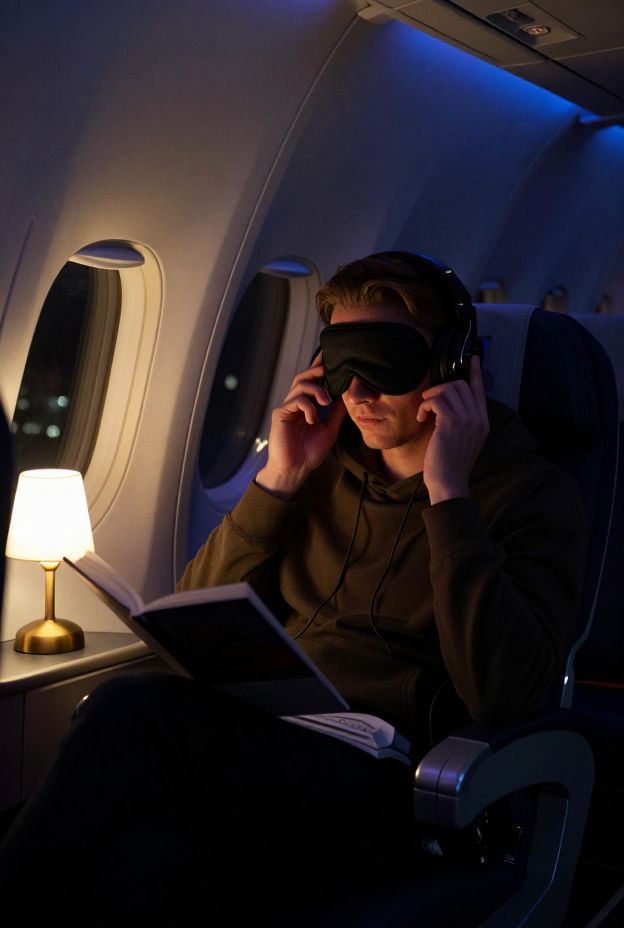
I do a mini routine that includes putting on my sleep gear, doing some neck stretches, and listening to a meditation podcast. It sounds silly, but these familiar rituals tell my brain it’s sleep time, even in a cramped airplane seat.
Move Around When You’re Awake
Sitting still for hours isn’t just uncomfortable, it’s actually dangerous. Walk around the cabin every few hours to keep your blood flowing and reduce the risk of blood clots. I set a reminder on my phone to get up and stretch.
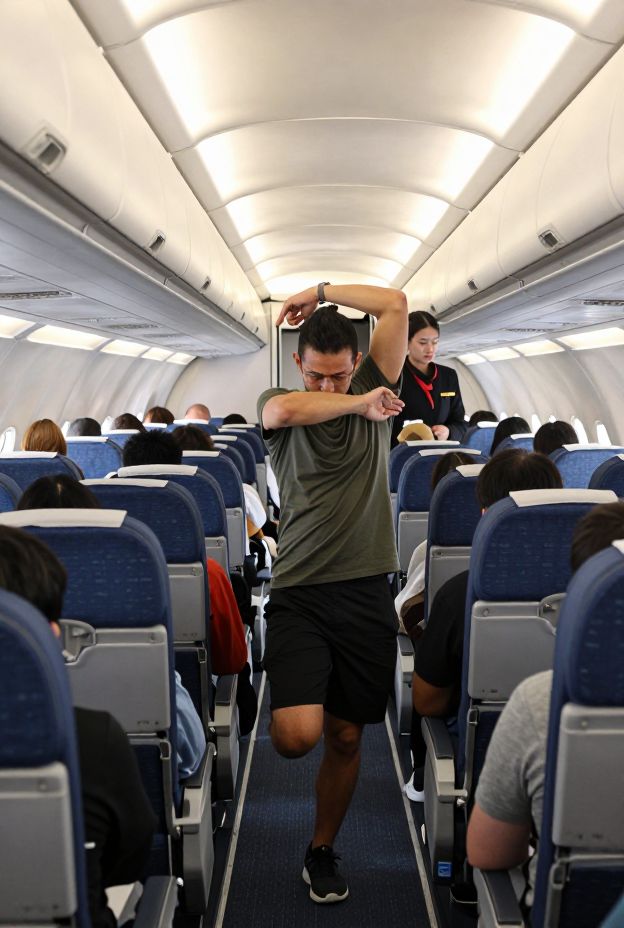
Do some simple stretches in your seat too. Roll your ankles, rotate your shoulders, and gently turn your neck from side to side. Keeping your body somewhat active during waking hours helps you sleep better when it’s actually bedtime.
Use Sleep Aids Strategically
I’m not telling you to pop a bunch of pills, but 1mg of melatonin can help if you use it correctly. Take it about 30 minutes before you want to sleep, not right when you board. Some people swear by it for adjusting to new time zones.
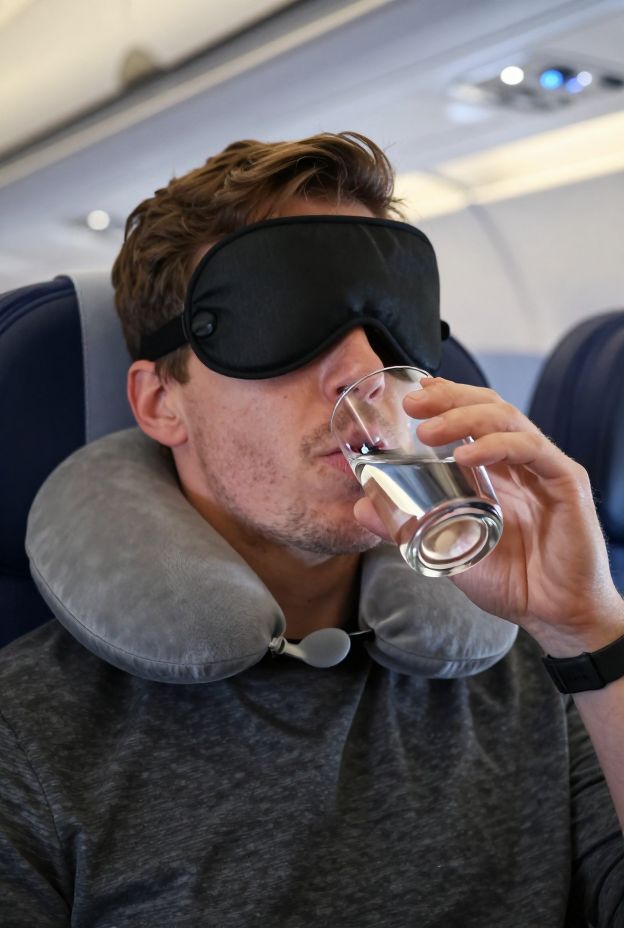
Natural options work too. Try calming teas, breathing exercises, or meditation apps. Whatever you choose, test it before your flight so you know how your body reacts. The last thing you want is an unexpected reaction at 35,000 feet :/
Skip the Long Naps
When you arrive at your destination, resist the urge to take a long nap. IMO, this is the biggest mistake people make with jet lag. A long afternoon nap will wreck your ability to fall asleep at the right time, dragging out your adjustment period.
If you absolutely must nap, keep it under 30 minutes and do it before 3 PM. Otherwise, push through until a normal bedtime in your new time zone. Yeah, it sucks for one day, but you’ll adjust so much faster.
Build in a Buffer Day
If you can swing it, don’t schedule important meetings or activities immediately after landing. Give yourself a buffer day to adjust, especially if you’ve crossed multiple time zones. This reduces pressure and lets you ease into the new schedule.
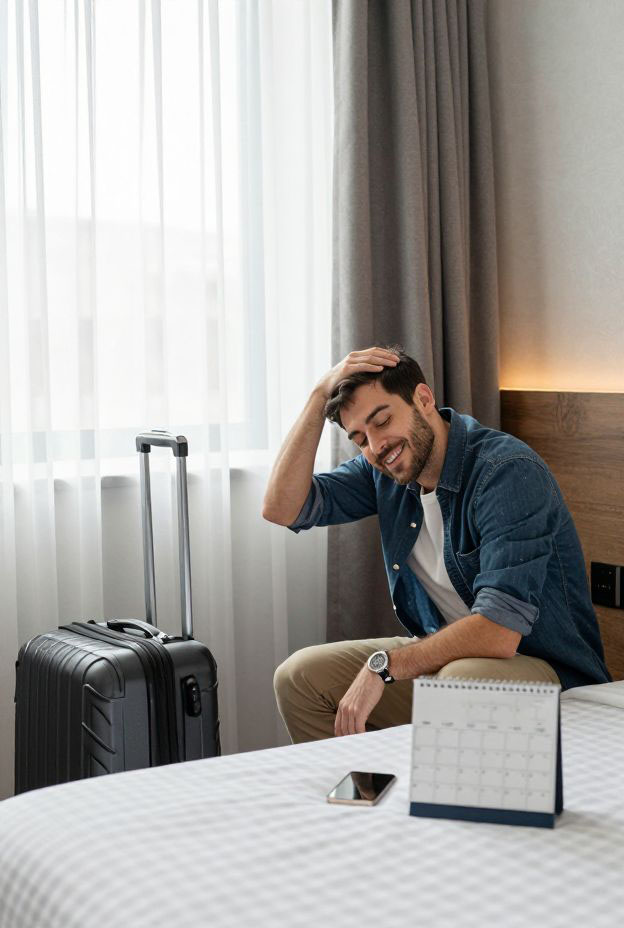
I learned this the hard way after showing up to a work presentation looking like I’d been hit by a truck. Now I always build in at least one rest day after long haul flights. Your performance and mood will be so much better if you’re not fighting severe jet lag.
Long haul flights don’t have to mean guaranteed exhaustion and days of jet lag recovery. With the right prep, smart choices during the flight, and a solid adjustment strategy, you can actually arrive feeling somewhat human. Pick a good seat, bring proper sleep gear, time your sleep strategically, and adjust your schedule before you even leave home. Your body will adapt faster, and you’ll spend less time feeling like a groggy mess and more time actually enjoying your destination. Safe travels, and here’s hoping you catch some serious Z’s at cruising altitude!