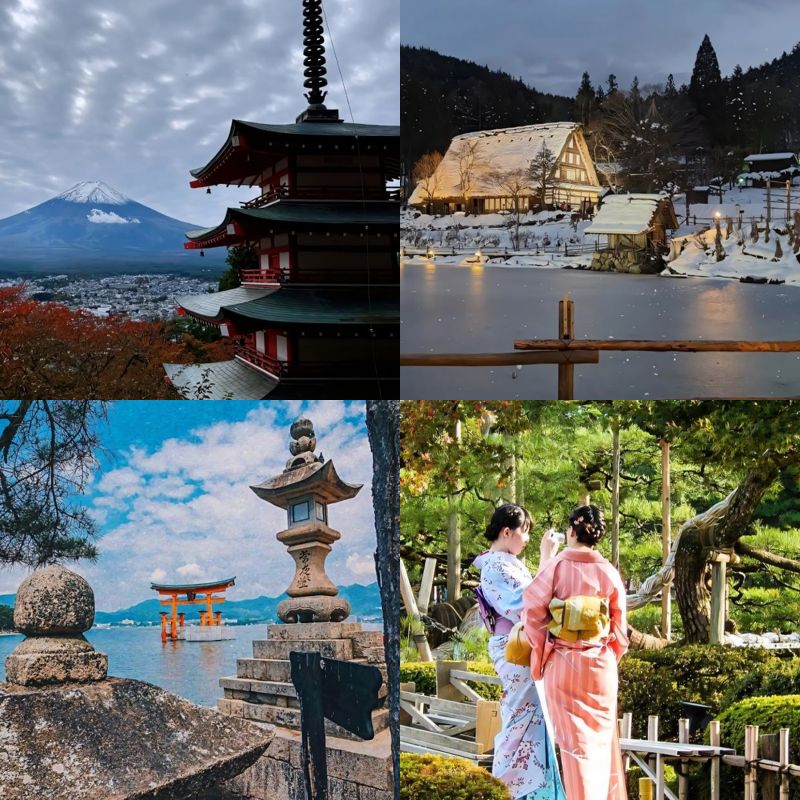
Ever caught yourself daydreaming about Japan? You know, the place where ancient temples sit peacefully next to futuristic skyscrapers, and robots serve you coffee while monks chant nearby. I’ve been obsessed with planning Japan trips for years, and honestly, the mix of old-meets-new never gets old. Whether you’re a history buff who geeks out over 1,000-year-old temples or a city slicker who wants to experience the wildest urban adventures, Japan’s got you covered.
Here’s my personal list of 13 destinations that’ll give you the full Japanese experience—from serene temple gardens to neon-lit streets that never sleep. Trust me, these spots are absolute game-changers.
1. Tokyo: The Neon Jungle That Never Disappoints
Tokyo is where your Japan adventure really kicks off. This mega-city throws everything at you at once—the famous Shibuya Crossing where thousands of people cross at the same time, the towering Tokyo Skytree offering insane views of Mount Fuji on clear days, and neighborhoods that feel like you’ve stepped into different worlds. Harajuku screams quirky fashion, while Asakusa keeps things traditional with its historic temples.
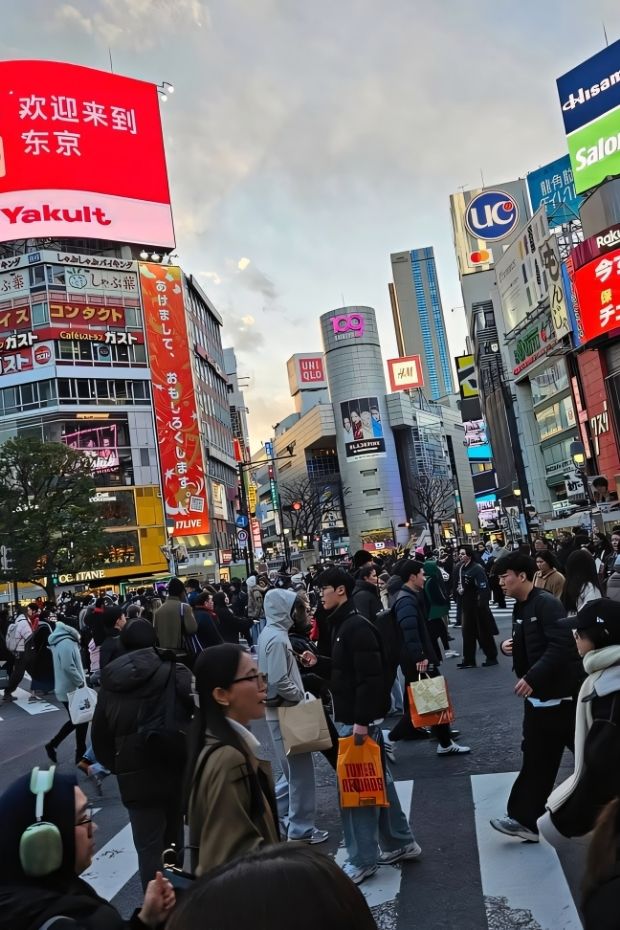
The food scene here is absolutely nuts (in the best way). You can grab fresh sushi at Tsukiji Outer Market in the morning and slurp ramen at a tiny counter shop by night. The Imperial Palace Gardens give you that peaceful break when the city buzz gets too intense. IMO, you need at least 4-5 days just to scratch the surface of Tokyo.
What makes Tokyo special? It’s the contrast. One minute you’re at a 400-year-old shrine, the next you’re in an arcade playing games that don’t exist anywhere else. The city moves fast, but somehow it all works.
2. Kyoto: Temple Central and Your History Fix
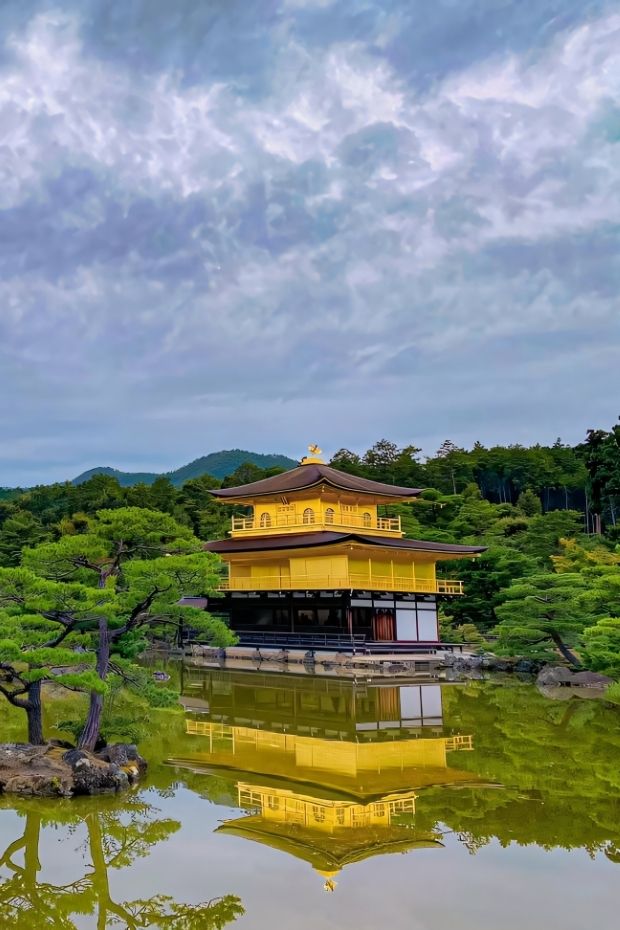
If Tokyo is Japan’s beating heart, Kyoto is its soul. With over 2,000 temples and shrines, this ancient capital is basically a living museum. The Kinkaku-ji (Golden Pavilion) literally shines—it’s covered in gold leaf and sits perfectly reflected in a pond. Then there’s Kiyomizu-dera, perched on a hillside with a wooden stage that offers killer city views.
You’ll want to wake up early to beat the crowds at popular spots. The streets of Gion, Kyoto’s geisha district, transport you straight back to old Japan. Wooden machiya houses line narrow lanes, and if you’re lucky, you might spot a geiko or maiko rushing to an appointment.
Don’t skip the Fushimi Inari Shrine with its thousands of red torii gates creating tunnels up the mountain. Yeah, your Instagram will thank you, but the hike is actually spiritual and surprisingly peaceful once you get past the first section. Kyoto demands at least 3-4 days if you want to do it justice.
3. Osaka: Where the Food Scene Steals the Show
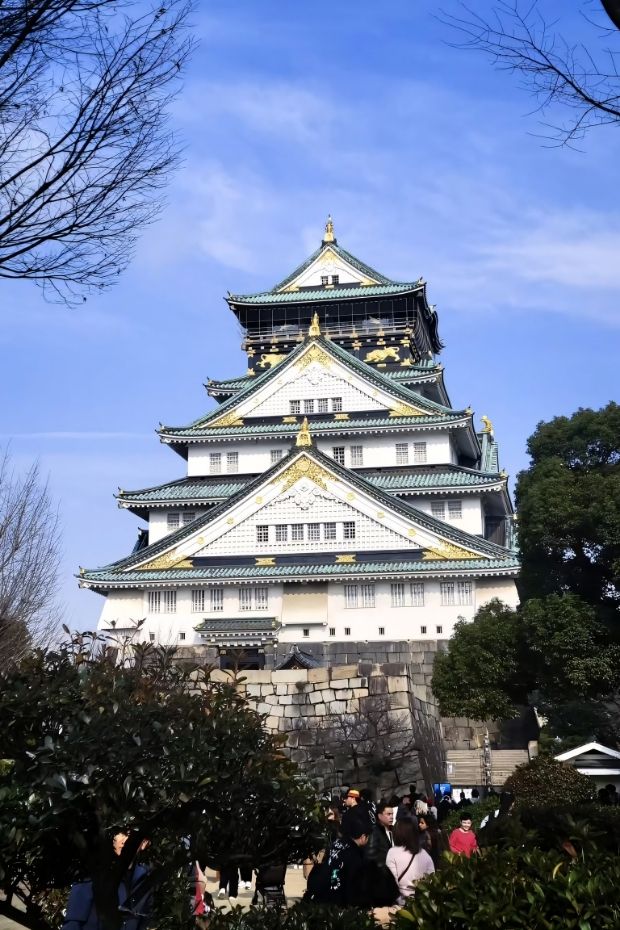
Osaka is Tokyo’s cooler, more laid-back cousin who knows how to party. The locals are friendlier, the food is cheaper, and the energy is just different. Osaka Castle dominates the skyline—this white fortress surrounded by moats and parks is straight out of a samurai movie. You can climb up for panoramic views and check out historical artifacts inside.
But let’s be real: you’re here for Dotonbori. This entertainment district explodes with neon signs, canal views, and street food that’ll ruin your diet plans. Takoyaki (octopus balls) and okonomiyaki (savory pancakes) were basically invented here. The giant moving crab sign and Glico running man are photo ops you can’t skip.
FYI, Universal Studios Japan is here too, featuring Super Nintendo World where you can literally live inside a video game. It’s worth a full day if you’re into theme parks. Osaka gives you that perfect urban experience without Tokyo’s overwhelming intensity.
4. Nara: Deer, Giant Buddhas, and Ancient Vibes
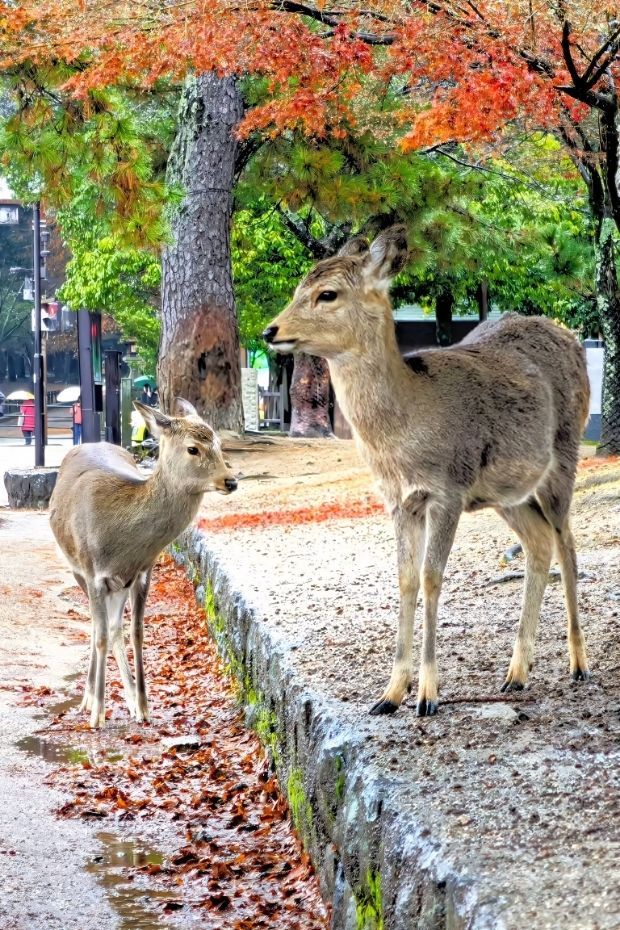
Picture this: you’re walking through a park, and suddenly hundreds of semi-wild deer surround you, bowing for snacks. That’s Nara Park, and it’s as magical as it sounds. These deer are considered sacred messengers, and they’ve learned that tourists = food. Just watch your pockets—they’re sneaky!
The real showstopper is Tōdai-ji Temple, home to the world’s largest bronze Buddha statue. This thing is 15 meters tall and sits inside what might be the largest wooden building on the planet. When you stand before it, you feel tiny. The temple was built in 752 AD, and every Japanese citizen was taxed to fund it (talk about a national project).
Nara works perfectly as a day trip from Kyoto or Osaka, but honestly? The peaceful vibe and fewer crowds make it worth staying overnight. The UNESCO-listed monuments here represent some of Japan’s most important cultural treasures.
5. Hiroshima: A City Rebuilt From Ashes
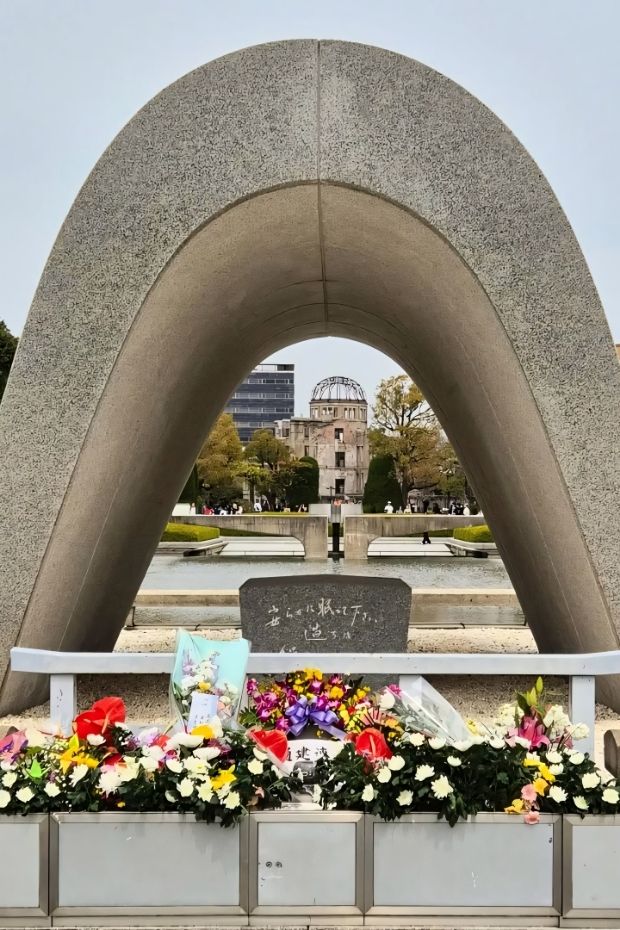
Hiroshima carries heavy history, but it’s also a testament to human resilience. The Hiroshima Peace Memorial Park and the iconic A-Bomb Dome—the skeletal remains of a building that survived the atomic blast—serve as powerful reminders of war’s devastation. The Peace Memorial Museum is emotional and educational; you’ll leave with a different perspective on history.
But modern Hiroshima is vibrant and forward-looking. The city has rebuilt itself beautifully with wide boulevards, excellent food (Hiroshima-style okonomiyaki is layered differently than Osaka’s), and friendly locals. Many visitors combine Hiroshima with nearby Miyajima Island, famous for its floating torii gate at Itsukushima Shrine.
This destination teaches you that Japan isn’t just about pretty temples and anime—it’s about understanding complex history and appreciating peace. Plan at least a full day, more if you’re visiting Miyajima too.
6. Hakone: Hot Springs With a View of Mount Fuji
Need a break from city chaos? Hakone is your onsen (hot spring) paradise just 90 minutes from Tokyo. This mountainous region sits within Fuji-Hakone-Izu National Park, and on clear days, you get stunning Mount Fuji views while soaking in naturally heated mineral water. Can life get better? 🙂
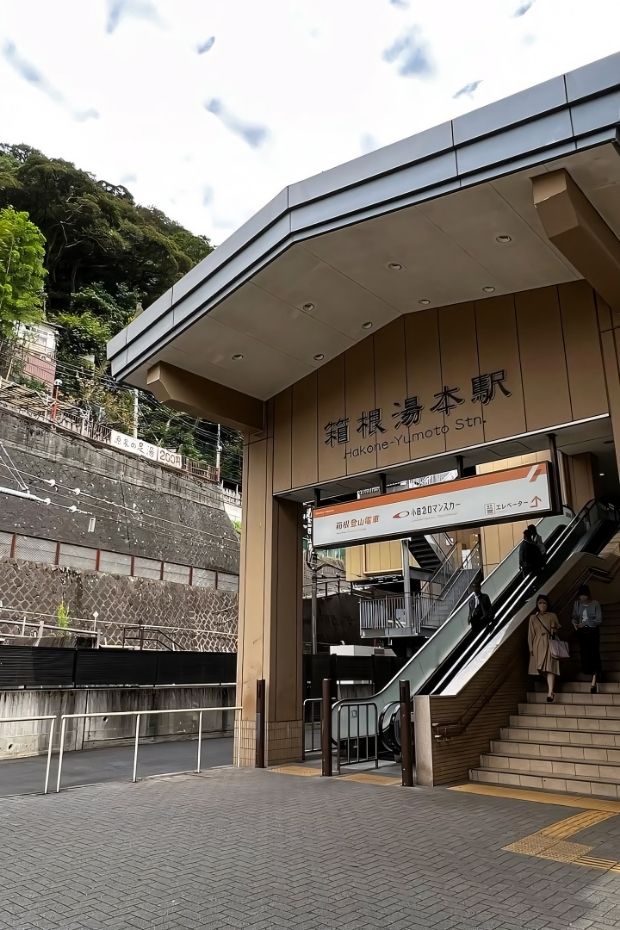
The area offers different onsen experiences—traditional ryokan (Japanese inns) with private baths, public bathhouses, and outdoor rotenburo where you bathe surrounded by nature. The volcanic terrain creates various spring types, each supposedly offering different health benefits. Water temperatures range from 40-44°C, perfect for extended soaking sessions.
Beyond hot springs, Hakone has art museums, the scenic Lake Ashi, and the Hakone Ropeway cable car that takes you over volcanic valleys. It’s the perfect overnight escape that recharges your batteries between intense city exploring.
7. Takayama: Step Back Into Edo-Period Japan
Tucked in the Japan Alps, Takayama feels like a time machine to feudal Japan. The old town features preserved wooden merchant houses, sake breweries, and streets that look like movie sets. You can explore by rickshaw, which sounds touristy but is actually a fantastic way to cover ground while learning local history.
The morning market outside the old government building (Takayama Jinya) sells local produce, crafts, and snacks. This Edo-period building itself is worth touring—it’s one of the few surviving government outposts from that era. The city also boasts the world’s largest drum and ornate festival floats displayed in underground museums.
Mountain spring water makes Takayama’s sake exceptional. Visit Funasaka Shuzo for tastings and to see traditional brewing methods. This town offers that authentic rural Japanese experience without feeling overly commercialized. Two days lets you fully soak in the atmosphere.
8. Kanazawa: Gardens, Gold, and Geisha Culture
Often called “Little Kyoto,” Kanazawa escaped WWII bombing, so its historical districts remain beautifully intact. The crown jewel is Kenrokuen Garden, rated one of Japan’s three most beautiful landscape gardens. Every season brings different scenery—cherry blossoms in spring, lush greenery in summer, fiery maples in autumn, and snow-covered pines in winter.
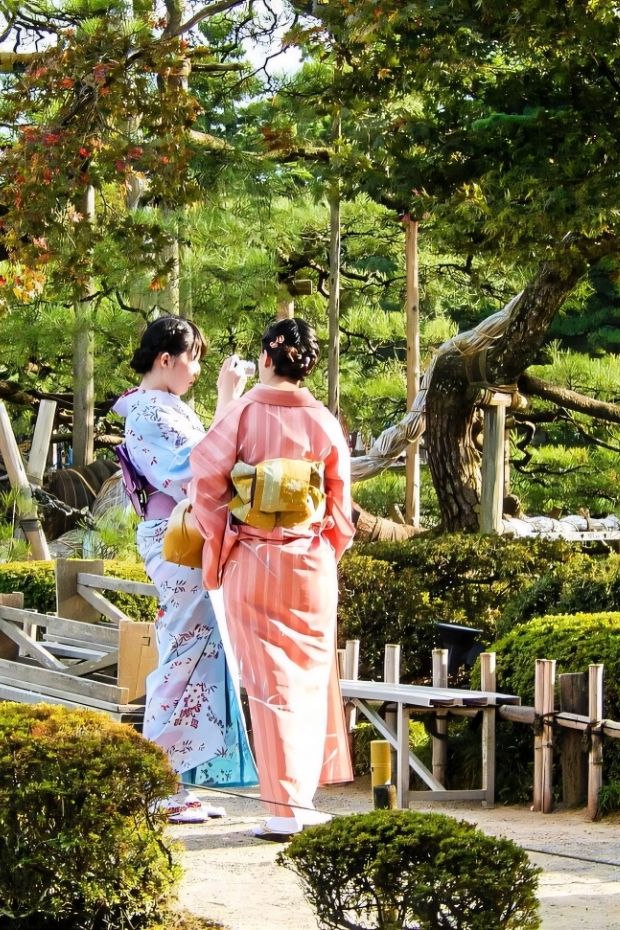
The Higashi Chaya District showcases traditional tea houses where geisha still entertain. Wooden facades line the streets, and you can peek inside some establishments to see tatami rooms and lacquerware. Kanazawa is also famous for gold leaf production—the city produces 99% of Japan’s gold leaf, and you can try applying it yourself at workshops.
The 21st Century Museum of Contemporary Art provides a modern contrast to all the traditional stuff. Kanazawa rewards slower exploration; it’s not about ticking off major sights but absorbing the refined atmosphere.
9. Nikko: Mountains, Shrines, and Sacred Beauty
A couple hours north of Tokyo, Nikko packs incredible UNESCO World Heritage temples into a mountain setting. The Toshogu Shrine, dedicated to Tokugawa Ieyasu (the shogun who unified Japan), dazzles with intricate carvings, gold decorations, and vibrant colors. The famous “see no evil, hear no evil, speak no evil” monkey carvings are here.
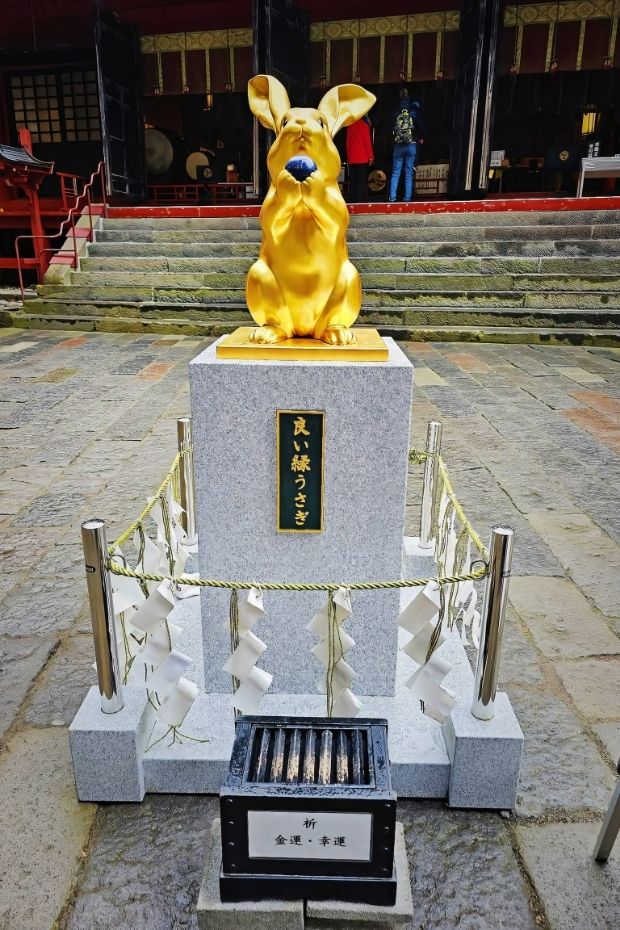
The natural scenery rivals the cultural sites. Waterfalls, lakes, and hiking trails surround the temples. In autumn, the fall colors are absolutely insane—think fiery reds and golden yellows blanketing the mountains. Spring brings cherry blossoms and azaleas that transform the landscape.
Nikko works as a day trip from Tokyo, but staying overnight in a traditional ryokan lets you experience the area when day-trippers leave. The combination of ornate religious architecture and pristine nature makes this destination uniquely Japanese.
10. Kamakura: Beach Town With a Giant Buddha
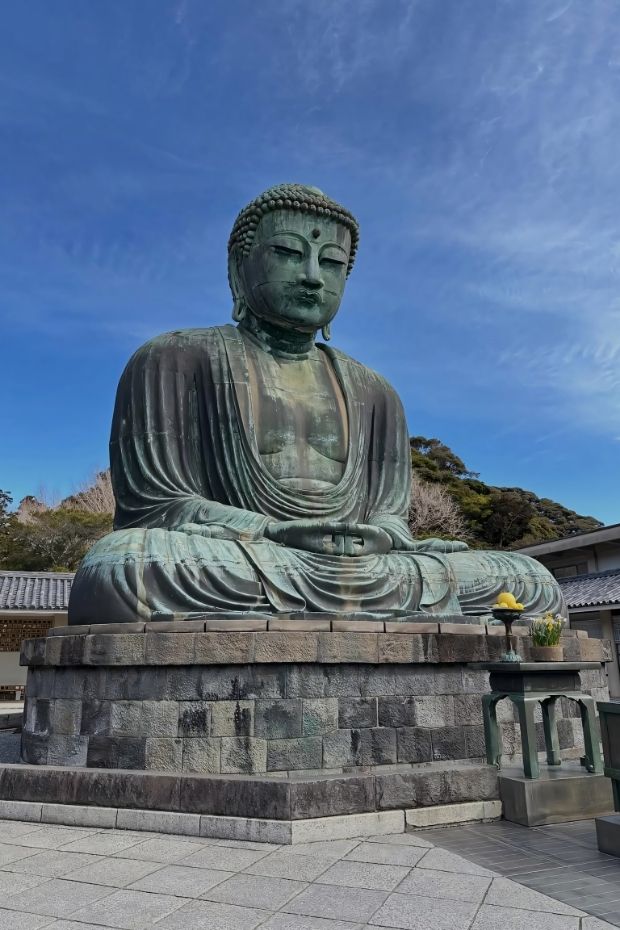
Just an hour south of Tokyo, Kamakura served as Japan’s political center in the 12th-13th centuries. Today it’s a relaxed coastal town famous for the Great Buddha of Kamakura—a 13-meter bronze statue that’s been sitting outdoors since 1252. Unlike Nara’s indoor Buddha, you can walk right up to this one, and for a few yen, you can even go inside it.
Tsurugaoka Hachimangu Shrine dominates the city center, approached through a long pathway lined with shops and restaurants. The beach areas attract surfers and locals escaping Tokyo’s summer heat. Numerous hiking trails connect various temples through forested hills, offering a nice active component to your sightseeing.
Kamakura’s charm lies in its laid-back vibe. You can temple-hop in the morning, have beachside lunch, and still catch sunset before heading back to Tokyo. It’s proof that Japan offers coastal experiences alongside its famous urban and mountain attractions.
11. Miyajima Island: The Floating Torii Gate
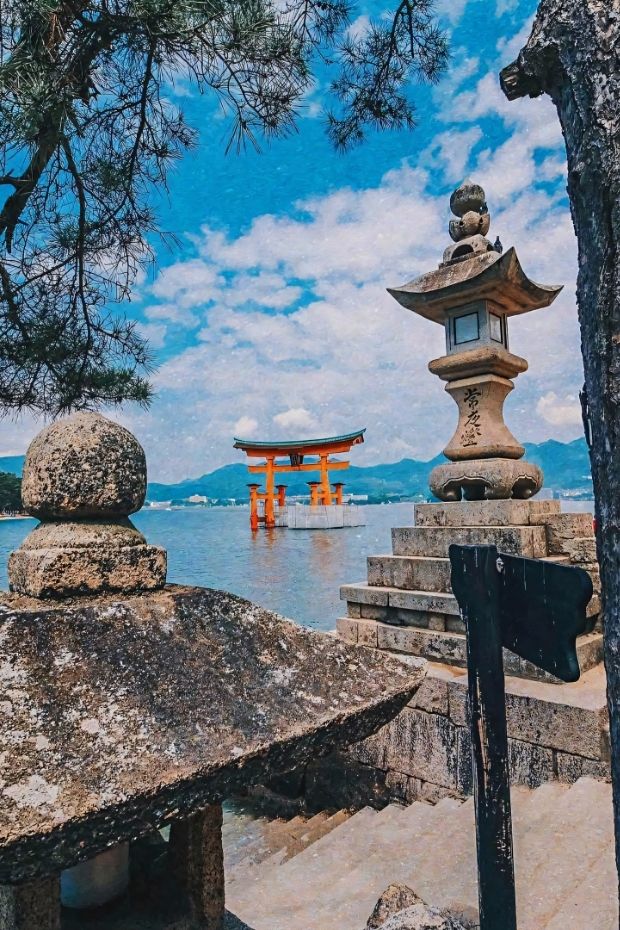
Accessible by ferry from Hiroshima, Miyajima (officially Itsukushima) ranks among Japan’s most scenic spots. The iconic floating torii gate of Itsukushima Shrine appears to float during high tide and stands dramatically on the beach at low tide. The sight changes throughout the day and seasons, making every visit unique.
The island itself is sacred, which historically meant no births or deaths were allowed here. Wild deer roam freely (like Nara but fewer crowds), and you can hike up Mount Misen for spectacular views over the Seto Inland Sea. Cable cars take you partway if you’re not up for the full climb.
Fresh oysters and maple leaf-shaped cakes (momiji manju) are local specialties you’ll find everywhere. Many visitors do Miyajima as a day trip from Hiroshima, but staying overnight after the day-trippers leave reveals the island’s peaceful spiritual essence. The shrine is especially magical illuminated at night.
12. Shirakawa-go: UNESCO Village With Thatched Roofs
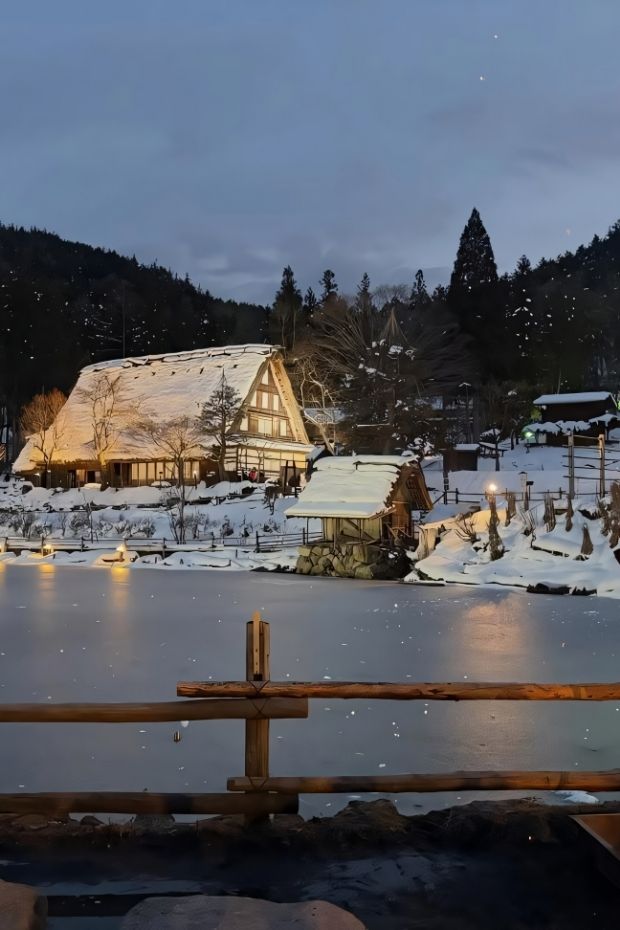
Hidden in remote mountains, Shirakawa-go preserves traditional gassho-zukuri farmhouses with steep thatched roofs designed to withstand heavy snow. These structures, some over 250 years old, look like hands pressed in prayer (that’s what “gassho” means). The village earned UNESCO World Heritage status for representing rural Japanese life and architectural ingenuity.
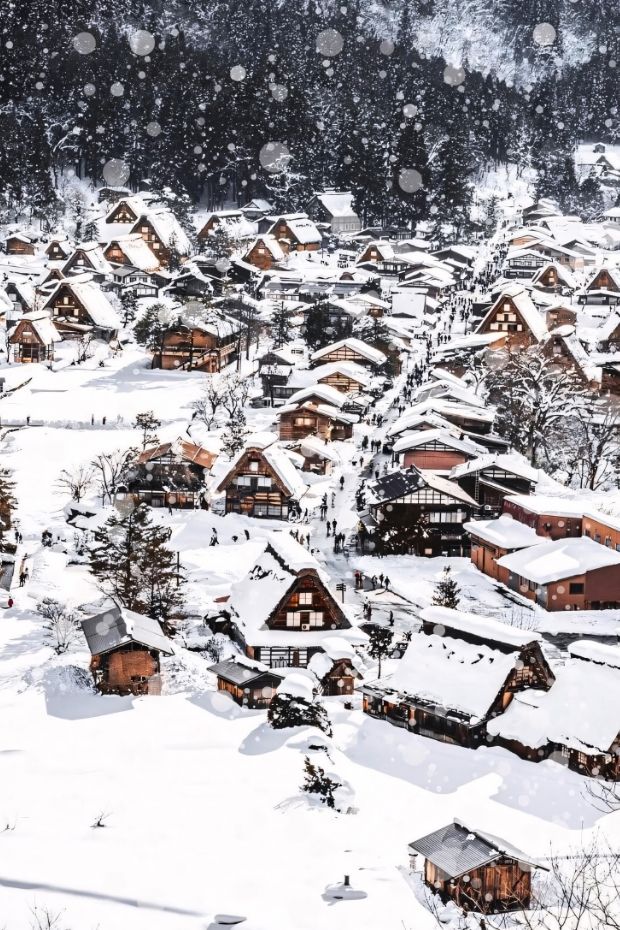
You can enter several farmhouses converted into museums or minshuku (guesthouses). The upper floors, originally used for silkworm cultivation, showcase how families lived and worked. An observation deck above the village offers postcard-perfect views, especially when snow blankets the roofs in winter or when autumn colors the surrounding mountains.
Getting here requires effort—it’s remote and best reached by bus from Takayama or Kanazawa. But that isolation preserved its authenticity. Shirakawa-go shows you a completely different side of Japan, far from cities and temples, where rural traditions still thrive.
13. Mount Fuji: Japan’s Iconic Peak
No Japan list is complete without Mount Fuji, the country’s highest mountain and spiritual symbol. At 3,776 meters, this perfectly symmetrical volcano appears on countless postcards, paintings, and yes, your Instagram feed. Climbing to the summit is possible during the July-September season, with most hikers starting at night to catch sunrise from the top.
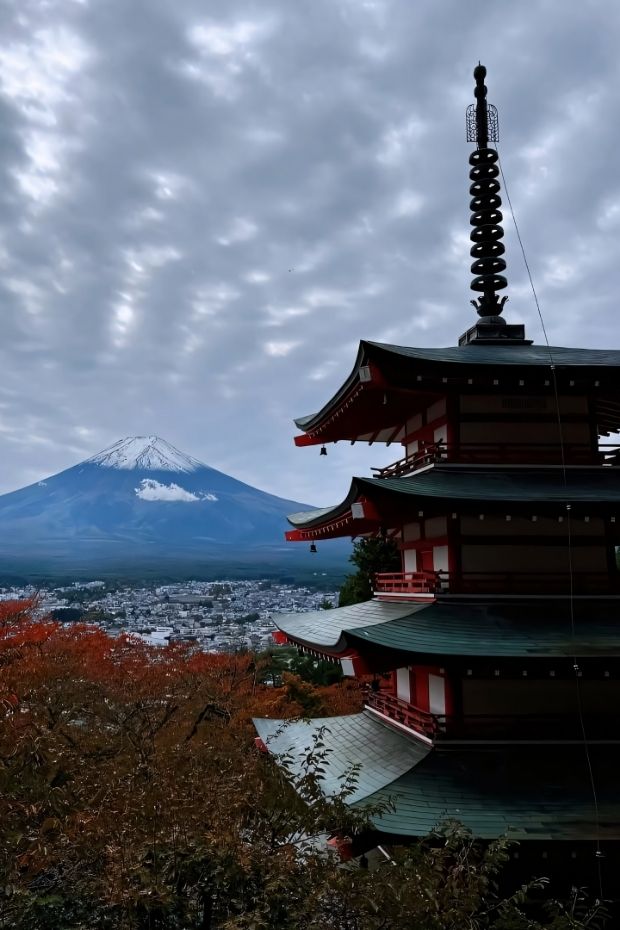
If climbing isn’t your thing, the Fuji Five Lakes region offers spectacular viewing spots, especially Lake Kawaguchi where Fuji’s reflection doubles the beauty. The Chureito Pagoda in spring, with Fuji framed by cherry blossoms, creates one of Japan’s most photographed scenes. Winter brings the clearest views, though summer hiking season sees the mountain itself up close.
Whether you summit it or simply admire it from afar, Fuji represents Japan’s natural majesty. It’s sacred, stunning, and somehow both imposing and serene. Combining a Fuji visit with Hakone’s hot springs makes perfect logistical sense since they’re neighbors.
Your Japan Adventure Awaits
There you have it—13 destinations that capture Japan’s incredible range from ancient spiritual sites to cutting-edge modern cities. You could spend months exploring this country and still find new surprises. The beauty of Japan is how seamlessly it blends 1,000-year-old traditions with tomorrow’s technology.
My advice? Don’t try cramming everything into one trip.