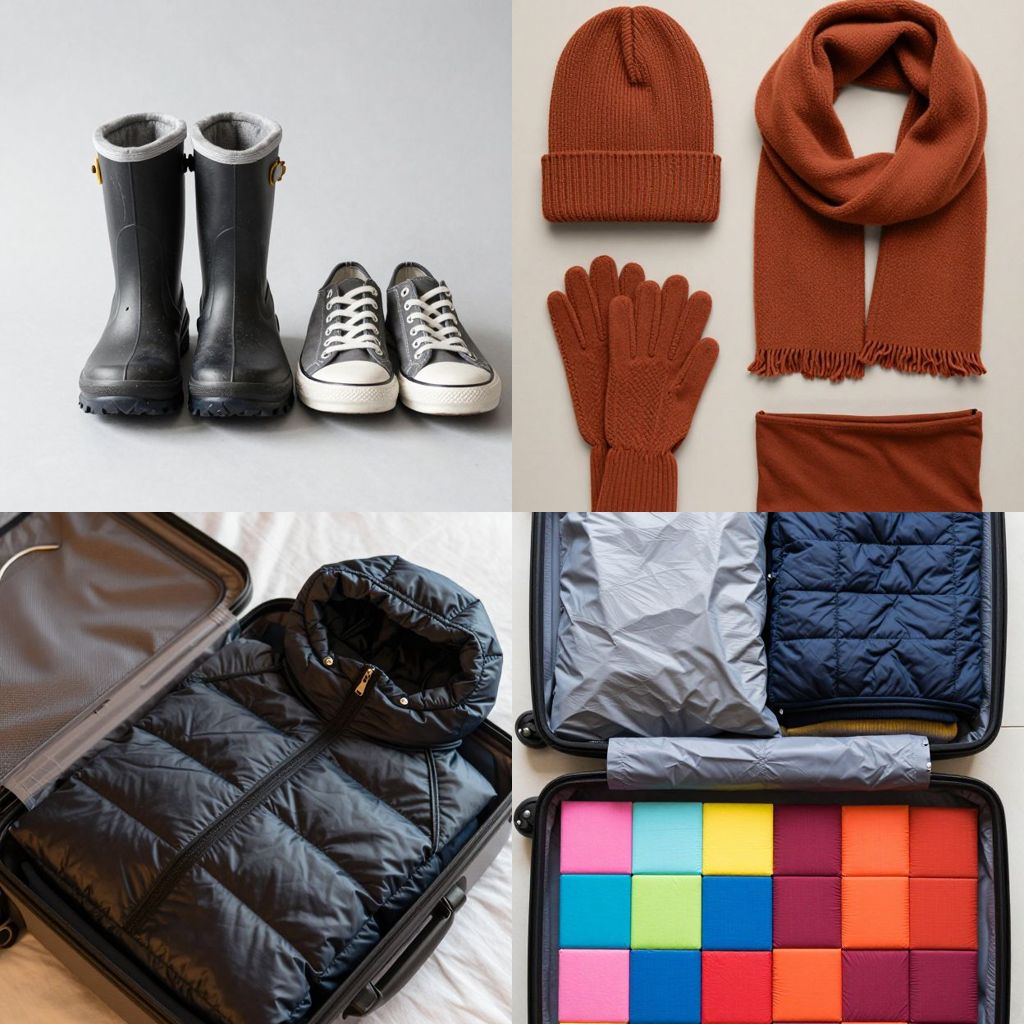
Winter travel doesn’t have to mean lugging around a massive suitcase that weighs more than you do. I’ve learned this the hard way after too many trips where I packed like I was moving to Antarctica permanently. You can absolutely keep warm AND travel light at the same time. Let me show you how to pack smart for those cold-weather adventures without sacrificing comfort or style.
Master the Art of Layering
Here’s the thing about winter packing: layers beat bulk every single time. Instead of throwing in three chunky sweaters, you want to think strategically about how different thin layers work together. This approach gives you way more outfit flexibility and takes up less space in your bag.
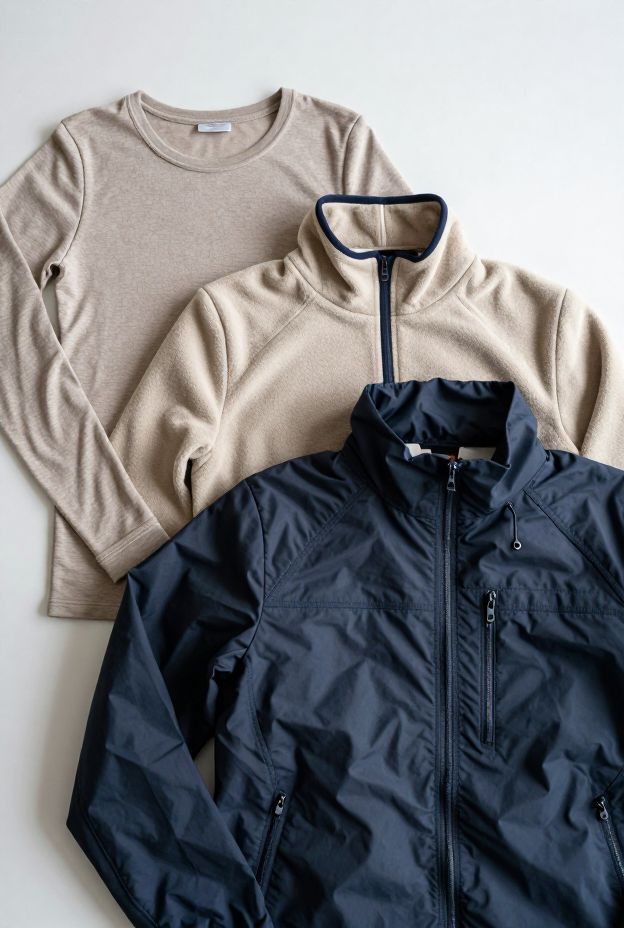
The layering system breaks down into three simple categories. Your base layer sits closest to your skin and wicks away moisture. Your mid layer provides insulation and warmth. Your outer layer protects you from wind, rain, and snow. Each layer has a job, and together they keep you toasty without the bulk.
Think of it like building a sandwich. You wouldn’t just slap on one thick piece of meat and call it done, right? You add multiple ingredients that complement each other. Same concept here, but with clothes instead of lunch 🙂
Invest in Quality Base Layers
Merino wool base layers are absolute game-changers for winter travel. They’re thin, lightweight, and surprisingly warm. Plus, they have natural odor-resistant properties, which means you can wear them multiple times before washing. This alone cuts down on how many clothes you need to pack.
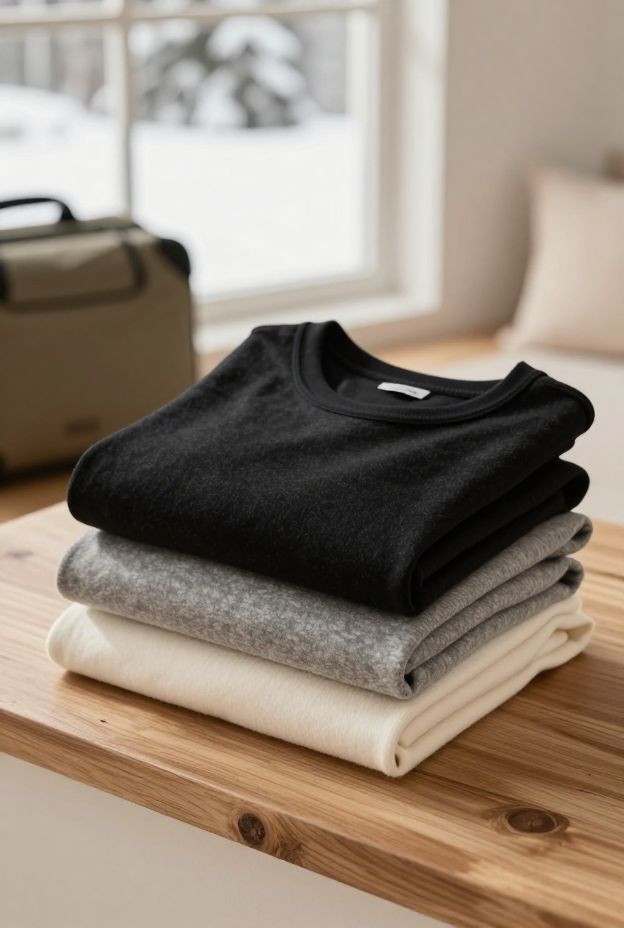
I recommend packing at least two sets of thermal base layers. You can wear these under your regular clothes during the day, and they double as cozy pajamas at night. Talk about versatile! Look for tops and bottoms that aren’t too bulky so they slide easily under jeans or leggings.
Cotton is your enemy in cold weather. It holds moisture and takes forever to dry. Stick with merino wool, synthetic blends, or silk base layers instead. Your body will thank you when you’re out exploring in freezing temperatures.
Choose One Excellent Jacket
You don’t need five different coats. You need one really good jacket that does multiple jobs. A lightweight down jacket or a quality insulated parka can keep you warm in most winter conditions. The key is choosing something that compresses well and isn’t unnecessarily heavy.
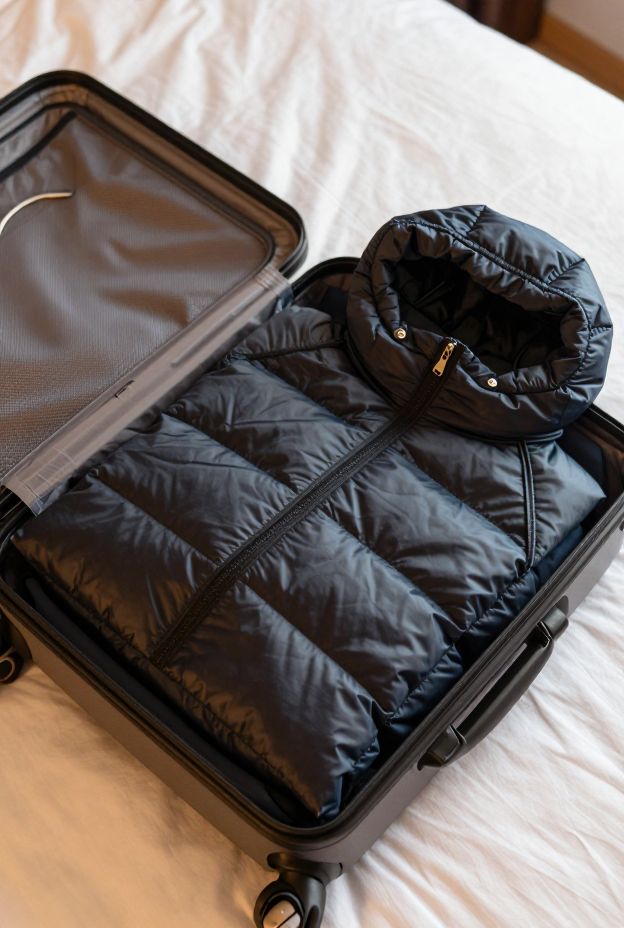
Down jackets are my personal favorite because they pack down super small. You can stuff them into compression sacks or even use them as a pillow on long flights. Look for jackets with a high fill power rating (around 600-800) for maximum warmth without the bulk.
Make sure your jacket is also water-resistant or pair it with a lightweight rain shell. Weather can be unpredictable, and you don’t want to get caught in sleet or snow with a jacket that turns into a soggy mess.
Use Packing Cubes and Compression Bags
If you’re not using packing cubes yet, what are you even doing? Packing cubes are non-negotiable for winter travel. They compress your clothes, keep everything organized, and make it easy to find what you need without unpacking your entire bag.
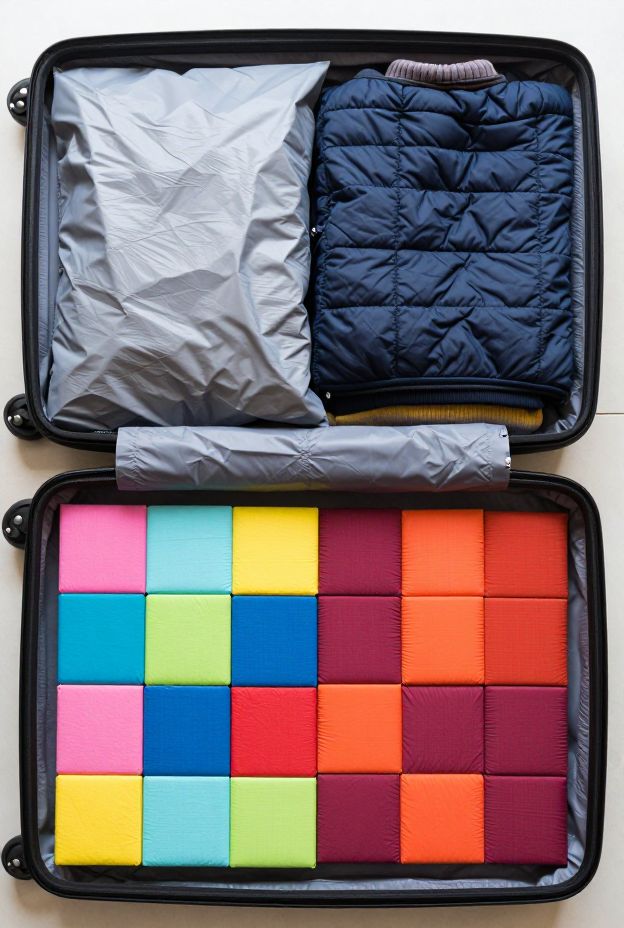
Compression bags take things a step further. They squeeze out excess air from bulkier items like fleeces or puffy jackets. You can literally cut the volume of these items in half. Just don’t over-compress natural materials like down, as they need some loft to maintain their insulating properties.
I organize my packing cubes by category: one for base layers, one for mid layers, one for bottoms, and one for accessories. This system saves me so much time when I’m getting ready in the morning. No more digging through chaos to find matching socks!
Roll Your Clothes, Don’t Fold
Rolling clothes instead of folding them is a total space saver. Rolled clothes take up less room and wrinkle less than folded ones. This technique works especially well for t-shirts, base layers, leggings, and even thin sweaters.
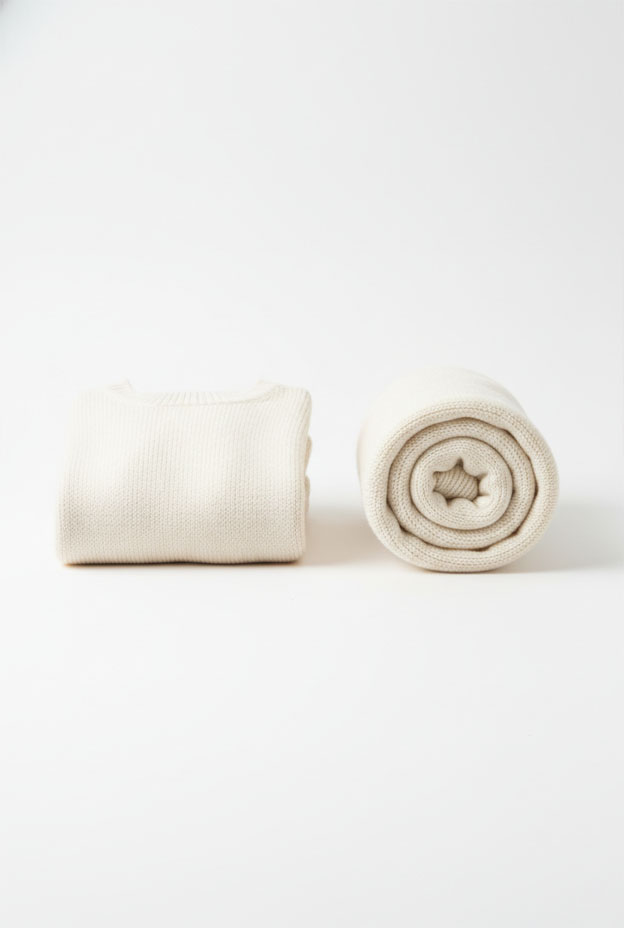
Start by laying your item flat, smooth out any wrinkles, and roll it tightly from one end to the other. Bundle similar items together if you want to get extra efficient. You’ll be amazed at how much more you can fit into your bag using this method.
The only exception? Your outer jacket and maybe one nice sweater that you don’t want to wrinkle. Everything else gets the roll treatment. Trust me on this one.
Wear Your Bulkiest Items During Transit
Here’s a pro tip that saves tons of luggage space: wear your heaviest items while traveling. That means your boots, your thickest jacket, and maybe even a chunky scarf. Yes, you might feel a bit warm in the airport, but you can always take layers off once you’re through security.
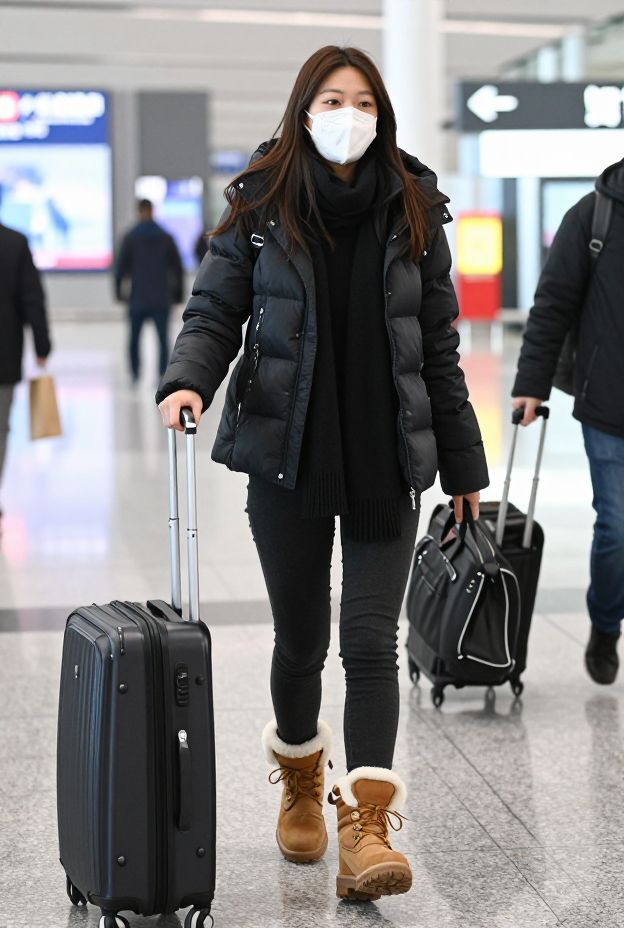
This strategy is especially clutch when you’re doing carry-on only. Your bulkiest items don’t count against your luggage weight limit if they’re on your body. Plus, you’ll stay warm if your flight gets delayed or you’re stuck waiting for a bus in the cold.
FYI, I always wear my boots on travel days. They’re the heaviest and bulkiest footwear item, and they take up way too much room in a suitcase. Just make sure they’re easy to slip on and off for airport security checks.
The Airplane Layering Strategy
Planes can be weirdly temperature-inconsistent. You might be freezing one minute and sweating the next. Wearing layers gives you the flexibility to adjust. Start with a base layer, add a light sweater or hoodie, and keep your jacket accessible in the overhead bin.
Create a Capsule Wardrobe
A capsule wardrobe means packing fewer items that all work together. Choose neutral colors that mix and match easily—think black, gray, navy, and cream. This way, you can create multiple outfits from just a handful of pieces.
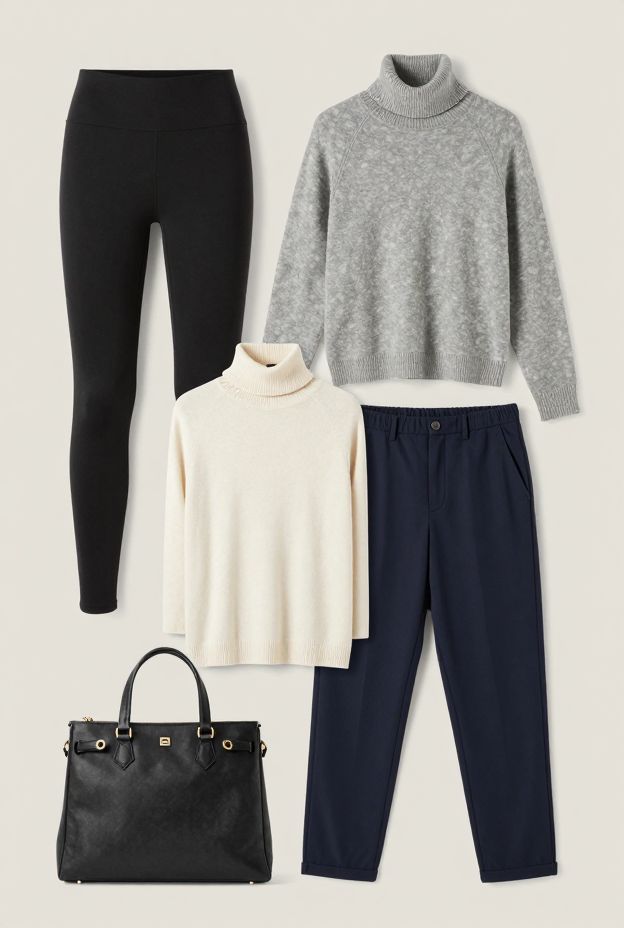
For a week-long trip, I typically pack three tops, two bottoms, one dress or nice outfit, and my layering pieces. Everything coordinates, so I can mix and match without thinking too hard. This approach keeps my luggage light while still giving me outfit variety.
Before you start packing, lay everything out on your bed. Try creating different outfit combinations to make sure everything works together. If something doesn’t pair well with at least two other items, leave it at home.
Pack Multi-Purpose Items
Every item you pack should earn its spot in your luggage. Multi-purpose pieces are the MVPs of light packing. A scarf can double as a blanket on the plane. Leggings work as base layers or standalone pants. A turtleneck can be worn alone or under a sweater.
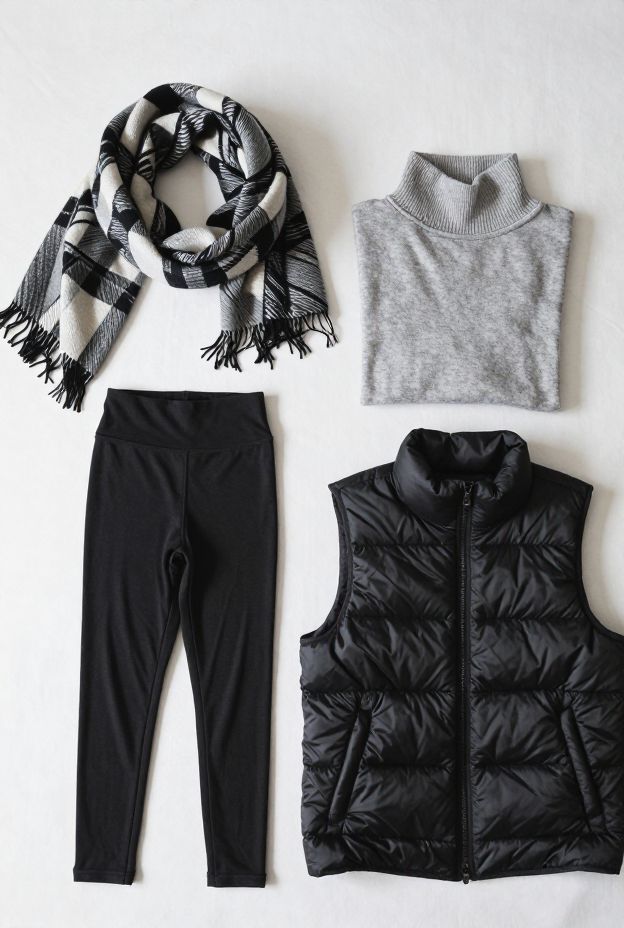
I’m obsessed with items that serve double or triple duty. A lightweight down vest can be worn as a mid layer under your jacket or as an outer layer on milder days. Thermal tights work under pants or with dresses. Smart packing is all about versatility.
Even your accessories should multitask. A beanie keeps your head warm but also hides bad hair days. Wool socks work for everyday wear and as cozy sleeping socks. Think about how you can get maximum use from minimum items.
Maximize Every Inch of Space
Don’t waste precious luggage real estate. Stuff socks and underwear into your shoes. Use the space in the corners and along the edges of your suitcase. Roll belts and place them along the perimeter of your bag.
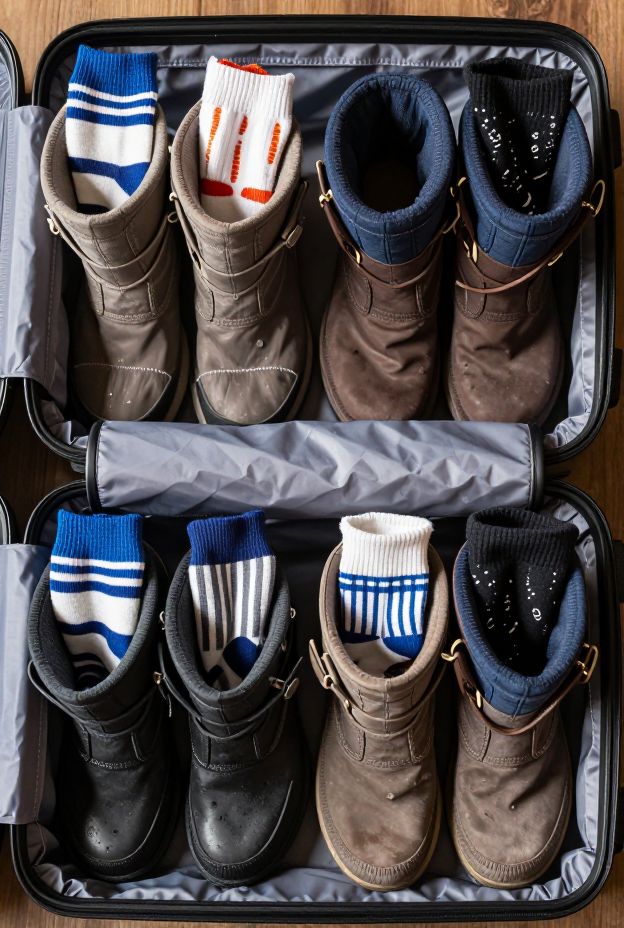
Small items like chargers, toiletries, and accessories can nestle into gaps between larger items. I even put jewelry in a small pouch and tuck it into a shoe. Every little bit of space counts when you’re trying to pack light for winter.
Another hack? Use the handle compartments and any exterior pockets for last-minute items or things you need easy access to during travel. Just don’t put anything valuable in exterior pockets if you’re checking your bag.
Check the Weather Before You Pack
This seems obvious, but you’d be surprised how many people over-pack because they didn’t check the forecast. Know what temperatures you’ll actually face so you can pack accordingly. There’s a huge difference between packing for 32°F and packing for 0°F.
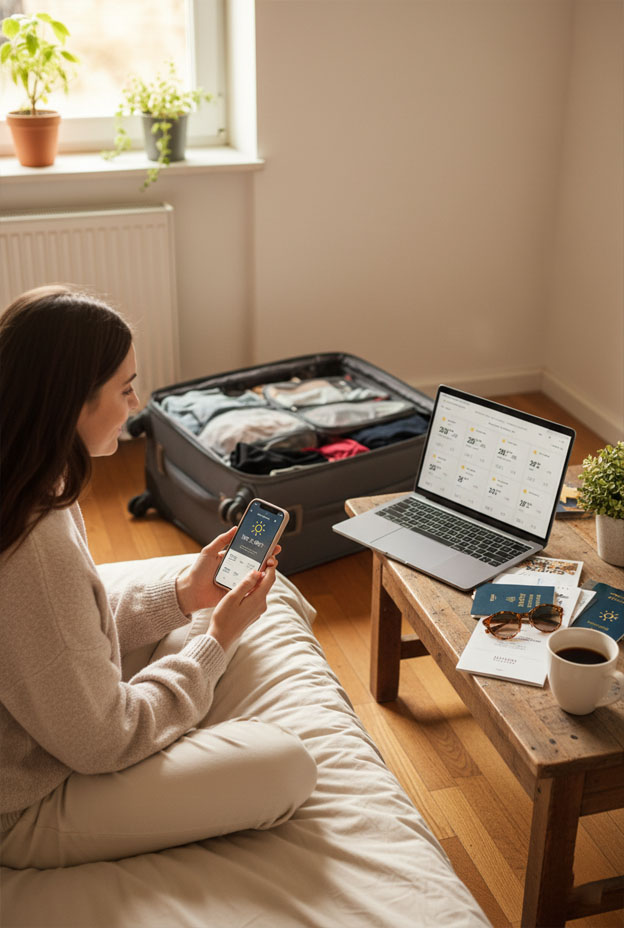
Look at the weather for your entire trip, not just the first few days. Will you need a rain jacket? Is snow likely? What about wind? These details help you decide which specific items to pack versus leave behind.
Also consider your planned activities. Hiking in the mountains requires different gear than exploring a city. Indoor attractions mean you’ll be taking layers on and off constantly. IMO, this planning stage is where smart packing really begins.
Limit Your Shoes
Shoes are bulky, heavy, and eat up luggage space like nothing else. For most winter trips, you can get away with just two pairs: boots and one other option. Wear your boots during travel, and pack one lighter pair for indoor activities or dressier occasions.
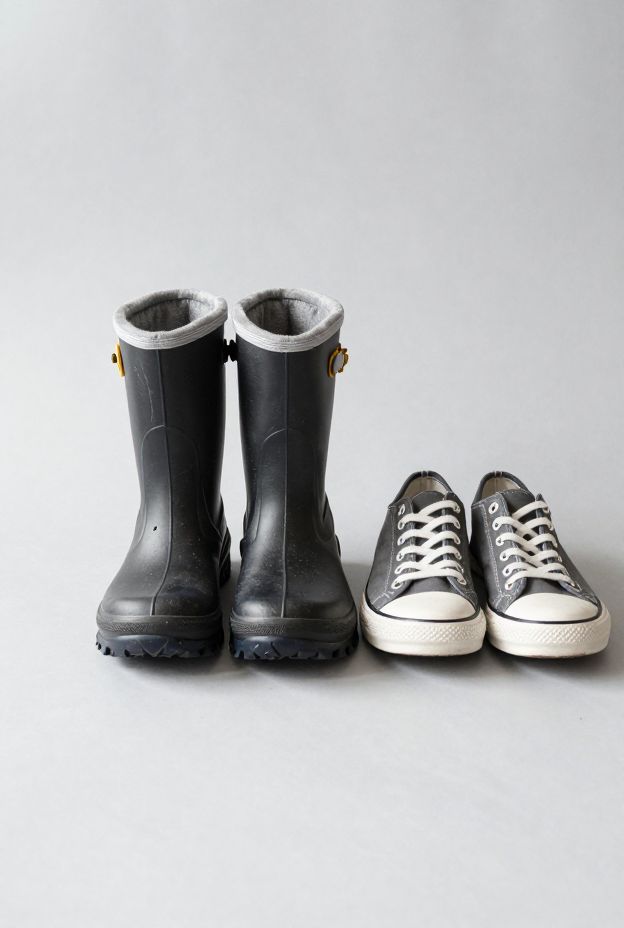
Your boots should be waterproof, comfortable for walking, and warm. They’ll be your workhorses, so invest in a good pair. Your second pair can be sneakers, flats, or casual shoes depending on your plans. That’s it. You really don’t need more than two pairs for most trips.
If you absolutely must bring a third pair (like for a special event), wear your second-heaviest shoes on the plane and pack only the lightest pair. But honestly? Try to resist the urge. Your back will thank you when you’re hauling your luggage around.
The Sock Strategy
Pack four to five pairs of quality wool or wool-blend socks. They take up minimal space, keep your feet warm, and you can wash them in a hotel sink if needed. Skip cotton socks—they’re useless in winter conditions.
Don’t Forget Strategic Accessories
Small accessories make a huge difference in cold weather comfort. A warm hat, gloves, and scarf take up minimal space but provide significant warmth. These items also help you adjust to temperature changes throughout the day.
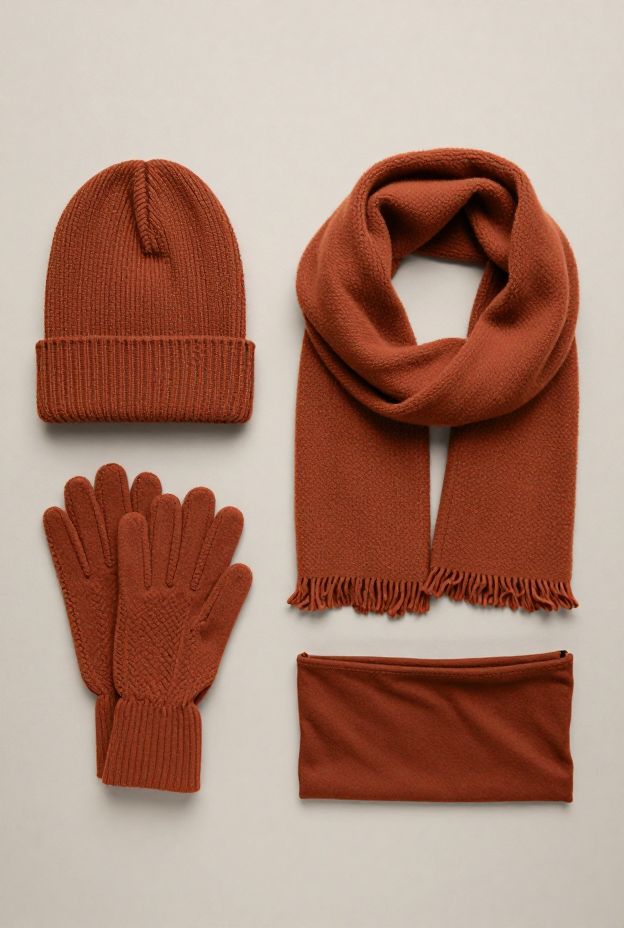
I always pack a lightweight buff or neck gaiter. It weighs almost nothing, takes up zero space, and can be used as a neck warmer, headband, or even a makeshift face mask in extremely cold or windy conditions. Plus, it layers easily under your jacket.
Thin glove liners are another great option. You can wear them alone on mild days or under heavier gloves when it’s freezing. This layering approach works for extremities too, not just your core body.
The Final Packing Test
Before you zip up your bag, do a final check. Pull out everything and ask yourself: Will I actually wear this? Does it work with my other items? Can I borrow or buy this at my destination if needed? Be ruthless. Every item should have a clear purpose.
Try packing a day or two before your trip. This gives you time to reconsider and remove items you don’t really need. I used to pack the night before and always ended up with way too much stuff. A little extra time helps you pack smarter, not heavier.
Remember, you can always do laundry during your trip or layer creatively to stay warm. The goal isn’t to pack for every possible scenario—it’s to pack light while staying comfortable. You’ve got this! Now get out there and enjoy your winter adventure without being weighed down by an overstuffed suitcase 🙂