You know that feeling when you stumble across a place so unreal, it almost feels like it was conjured from a fantasy novel? That’s Christmas Island for you — and no, I’m not talking about some snowy village with elves. I’m talking about a tiny Australian territory sitting quietly in the Indian Ocean, packed with wonders that honestly make places like the Maldives look a little ordinary. I first heard about it from a fellow traveler over coffee, and I immediately thought, “This cannot be a real place.” Spoiler: it absolutely is, and it’s better than anything I could’ve imagined.
1. The Red Crab Migration That Stops Traffic (Literally)
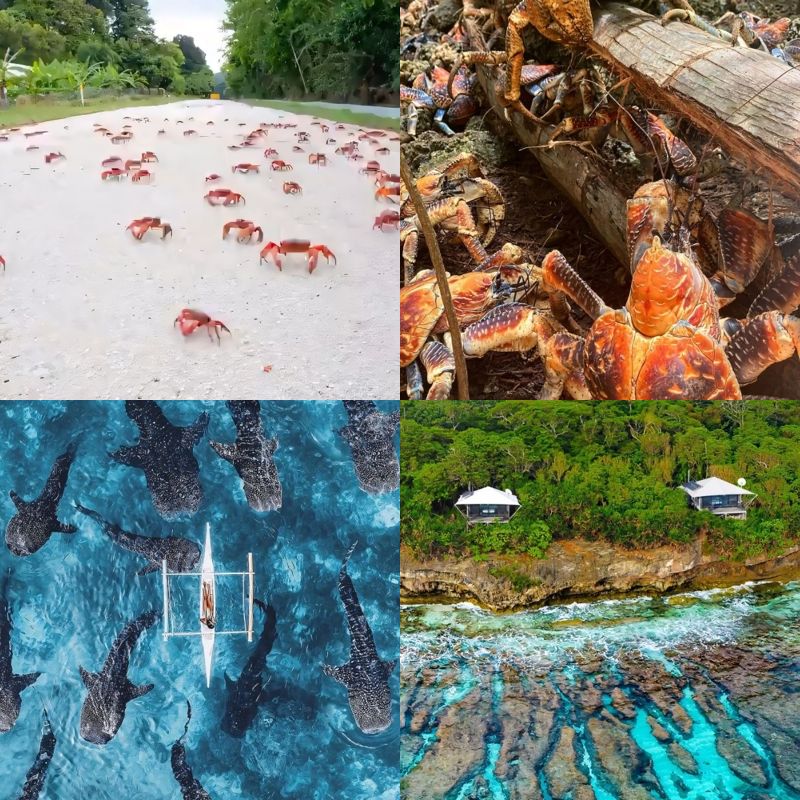
Every year, between October and January, 50 million red crabs march from the rainforest to the ocean to breed. Roads get closed. Bridges get built just for them. Sir David Attenborough called it one of the greatest natural spectacles on Earth — and honestly, who’s going to argue with Sir David?
The sheer scale of it is something no nature documentary fully prepares you for. The forest floor turns crimson. The roads turn crimson. Your entire field of vision turns crimson. FYI, this isn’t your average wildlife sighting — it’s a full-scale takeover, and the crabs absolutely do not care about your travel plans.
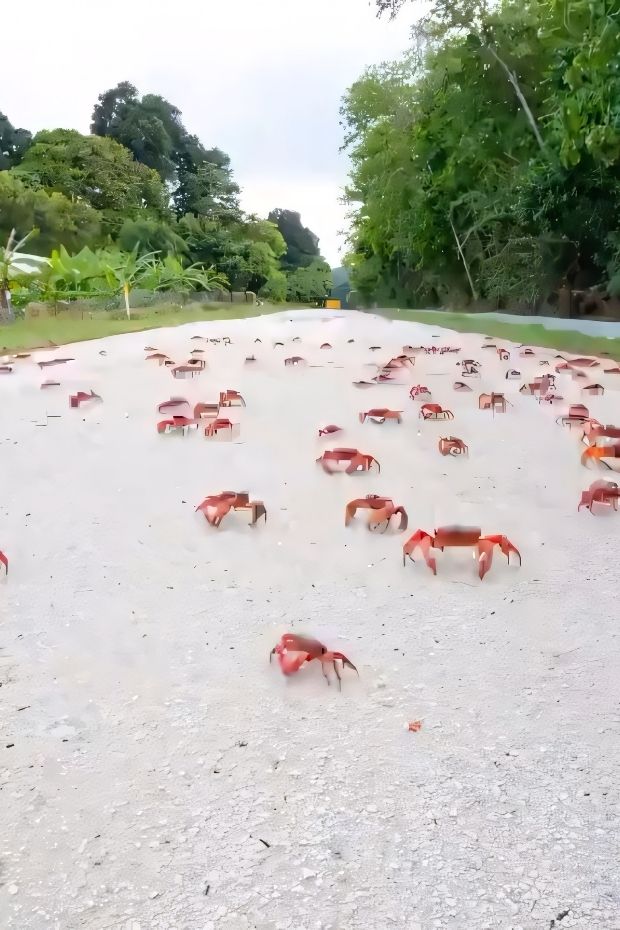
- When to see it: October through January, depending on the first wet season rainfall
- Crab bridges are built over roads so the crabs can cross safely
- The migration is timed to the lunar cycle — nature’s own calendar
2. Robber Crabs That Steal Literally Everything
Meet the robber crab (also called the coconut crab) — the world’s largest land crustacean. These things can weigh over 4 kg, measure up to a metre across, and carry off your camp gear with zero remorse. One snapped a golf club in half. A GOLF CLUB. If that’s not the most unhinged sentence you’ve read today, I don’t know what is.
They climb trees, crack open coconuts with their bare claws, and are known to steal shiny objects like pots and silverware from campsites. Christmas Islanders genuinely hang their bags from tree branches to keep them safe. Because yes, you need to outsmart a crab on this island.
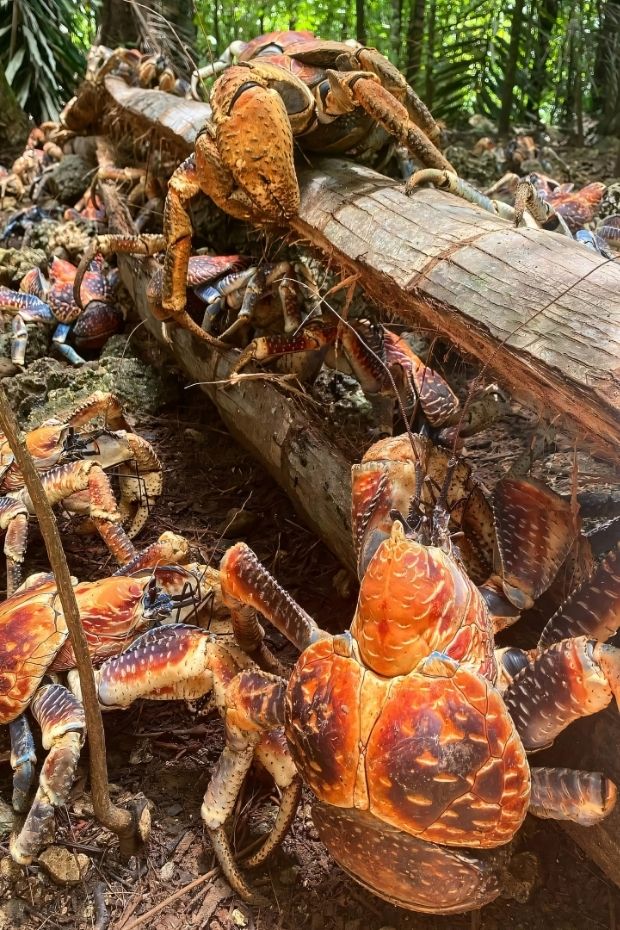
- Can lift objects weighing as much as a 10-year-old child
- Can survive a fall of at least 4.5 metres from a tree
- Most powerful claws of any land animal on the planet
3. Whale Sharks That Swim Right Up to You
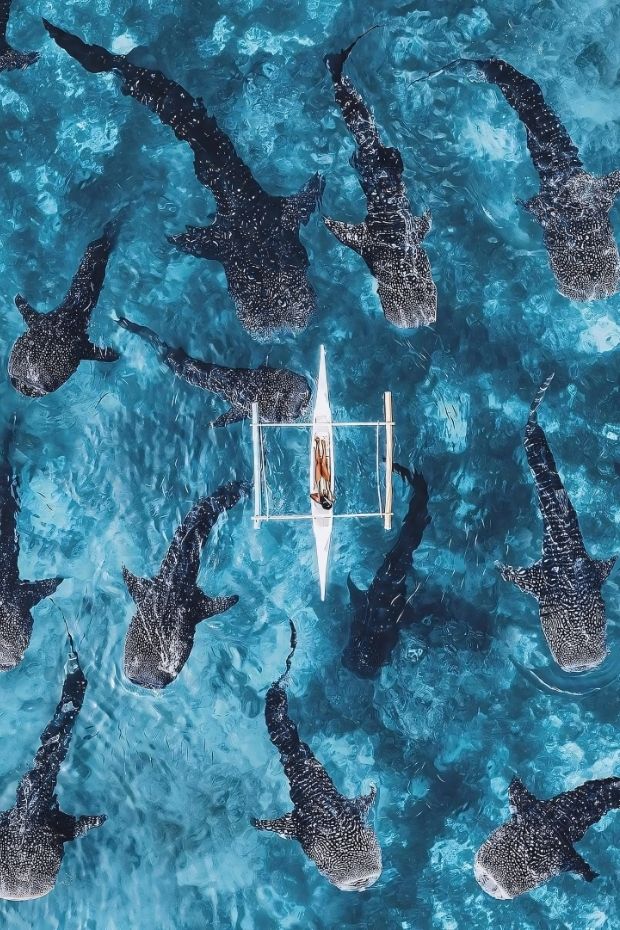
Between November and April, whale sharks visit the waters around Christmas Island, and snorkelers get to swim right alongside them. These are the largest fish on Earth, and they’re completely harmless unless you happen to be plankton — in which case, well, that’s just bad luck.
What makes encounters here different from other spots is that they’re entirely natural and unscripted. No tour boat herding them toward you. No bait in the water. Just you, an enormous gentle giant, and an absolute flood of adrenaline.
4. Christmas Island National Park: Two-Thirds of an Entire Island Protected
Most islands protect a small corner of their wilderness. Christmas Island said, “Why not most of it?” The national park covers 85 square kilometres — about two-thirds of the island, making it one of the most conservation-forward places in the Asia-Pacific region.
The park protects ancient rainforests, dramatic cliffs, two wetlands of international importance, and a huge range of endemic species found absolutely nowhere else on Earth. It’s the kind of place that reminds you what the planet looked like before we started paving over everything.
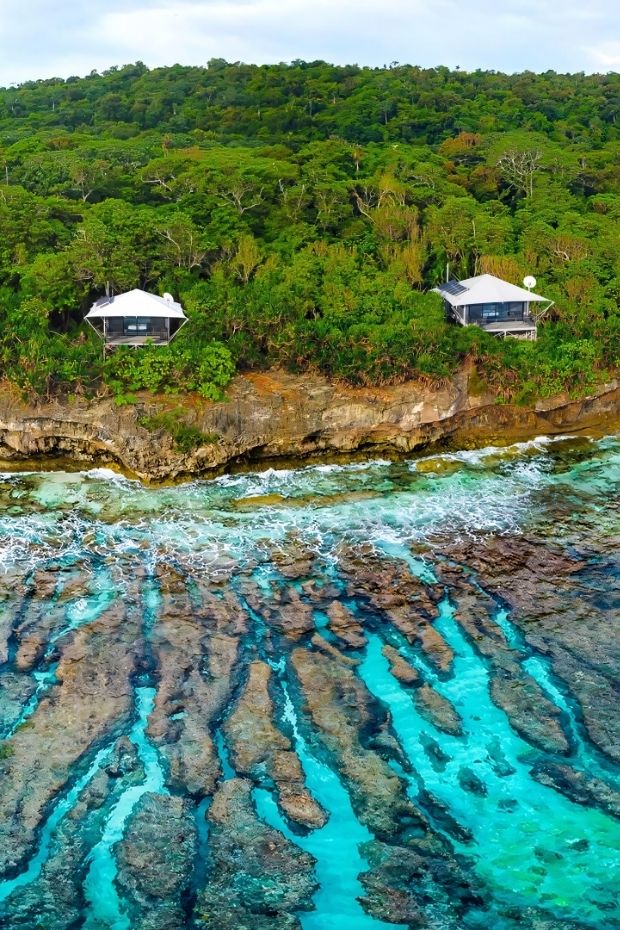
- Home to over 700 species of marine fish in surrounding waters
- Includes rare karst terrain with anchialine pools and sea caves
- Several endemic species are found nowhere else in the world
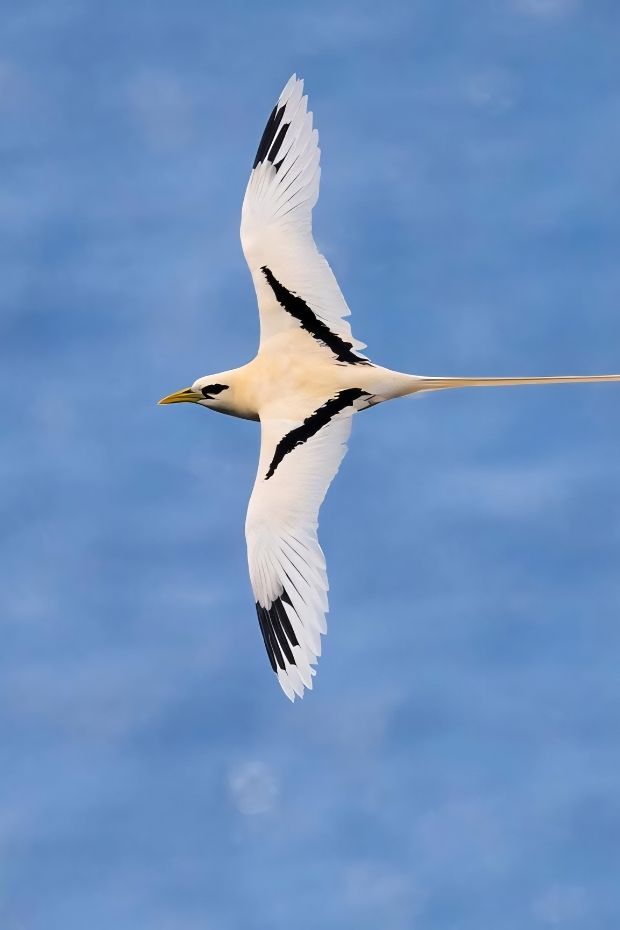
5. The Golden Bosun Bird: Nature’s Own Flying Jewel
Ever seen a bird so spectacular it stopped you mid-sentence? The golden bosun (golden bosunbird) does exactly that. When sunlight hits its wings in full flight, the feathers genuinely appear to be made of spun gold. It’s not a metaphor. People who don’t even care about birds suddenly become birders the moment they see one.
This is one of the island’s most iconic endemic species, and it’s the kind of sight that makes you wish you’d brought a better camera. Even self-professed non-birdwatchers regularly list it as a trip highlight.
6. Abbott’s Booby: The Rarest Seabird in the Indian Ocean
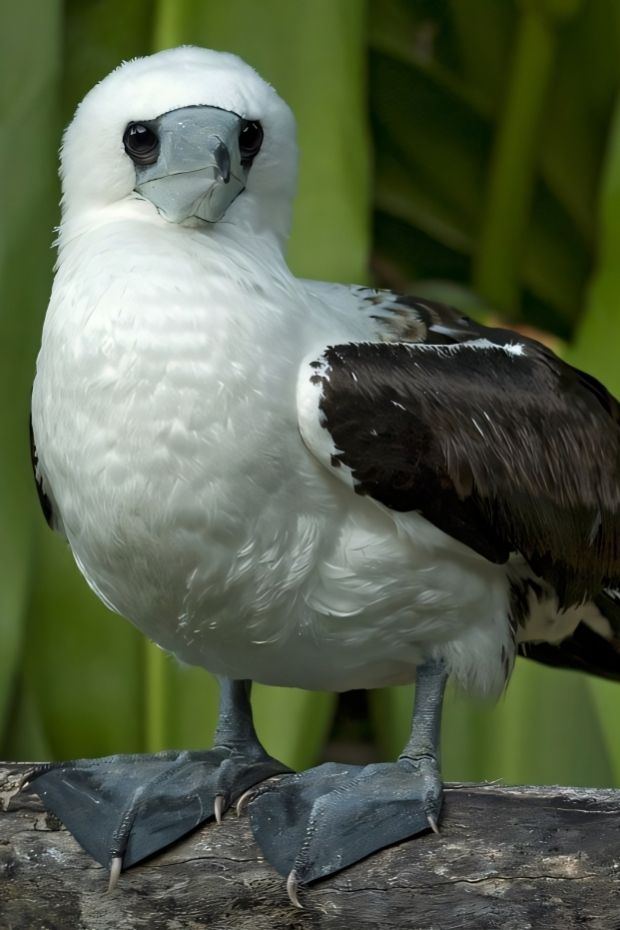
Christmas Island is the only place on Earth where Abbott’s booby nests. These large, striking seabirds breed only in the island’s tall rainforest trees, making Christmas Island their last stronghold. Want to see something truly irreplaceable? This is it.
Abbott’s booby is listed as a threatened species, which makes every sighting feel quietly significant. Watching one soar over the tree canopy hits differently when you know you’re one of a handful of travelers in the world who gets to experience it.
7. Seven Endemic Bird Species You Won’t Find Anywhere Else
Abbott’s booby and the golden bosun are just the beginning. Christmas Island is home to seven endemic bird species, including the Christmas Island hawk owl, the Christmas Island thrush, the goshawk, the emerald dove, the imperial pigeon, the glossy swiftlet, and the white eye. Four of those are listed as threatened.
The Christmas Island thrush, in particular, fills the tropical evenings with a melodious song that honestly makes the island feel like something from a fairy tale. IMO, that evening birdsong alone is worth the flight out there.
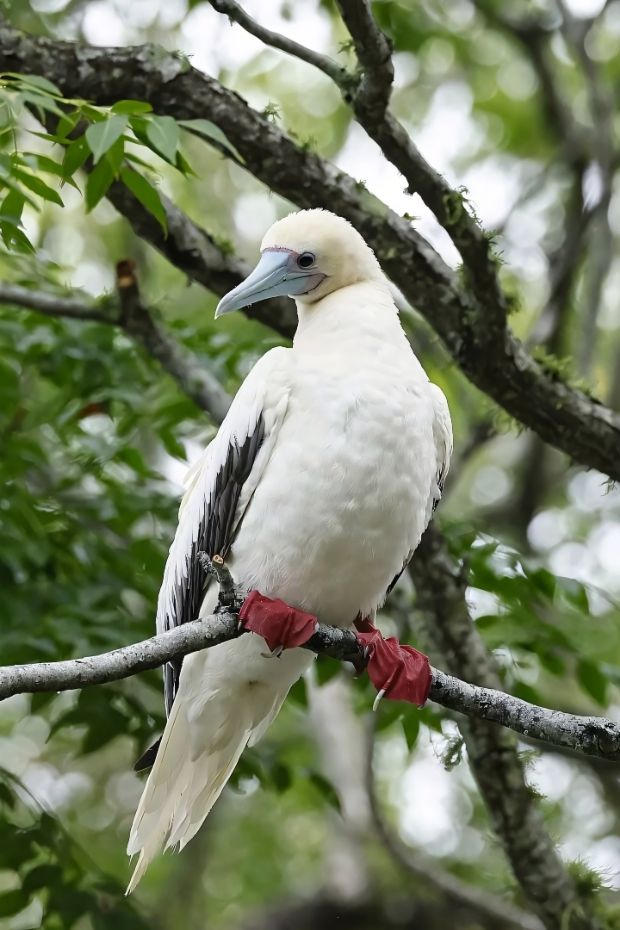
- Christmas Island thrush: famous for its musical evening calls
- Christmas Island hawk owl: one of the rarest owls in Australia
- Four of the seven endemic birds are on the threatened species list
8. World-Class Coral Reefs With 200+ Coral Species
The island sits at the edge of the Java trench — one of the deepest points in the Indian Ocean — and the upwellings from those depths feed nutrients into the reef system that produce corals twice the size you’d normally expect. More than 200 coral species live in these waters, alongside endemic fish populations and pelagic visitors like mantas and whale sharks.
Because fishing in these waters is minimal, the marine life is as abundant as it is diverse. Local dive operators report that no two dives on Christmas Island are ever the same.
9. Flying Fish Cove: The Island’s Social Hub and Snorkeling Gem
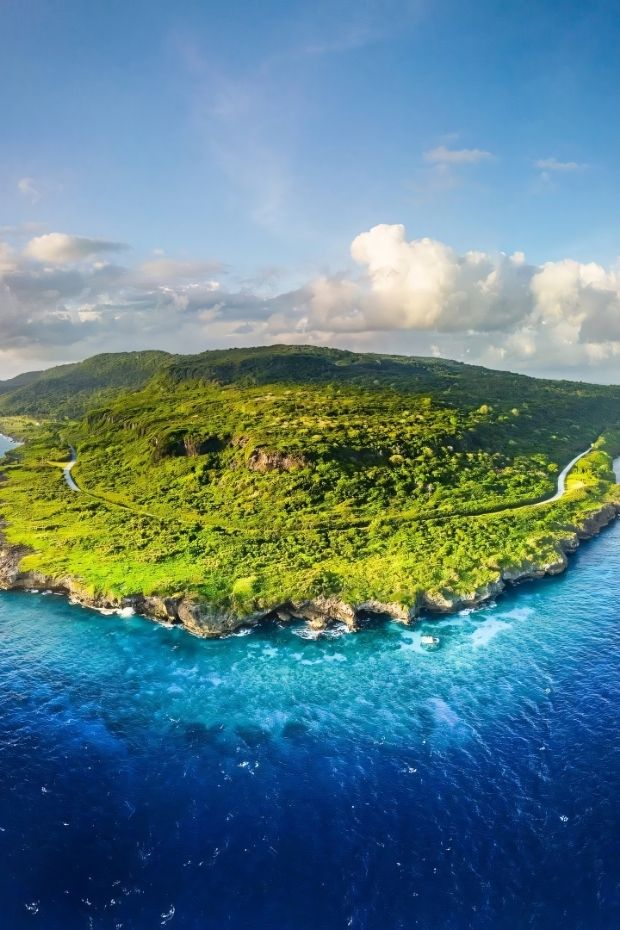
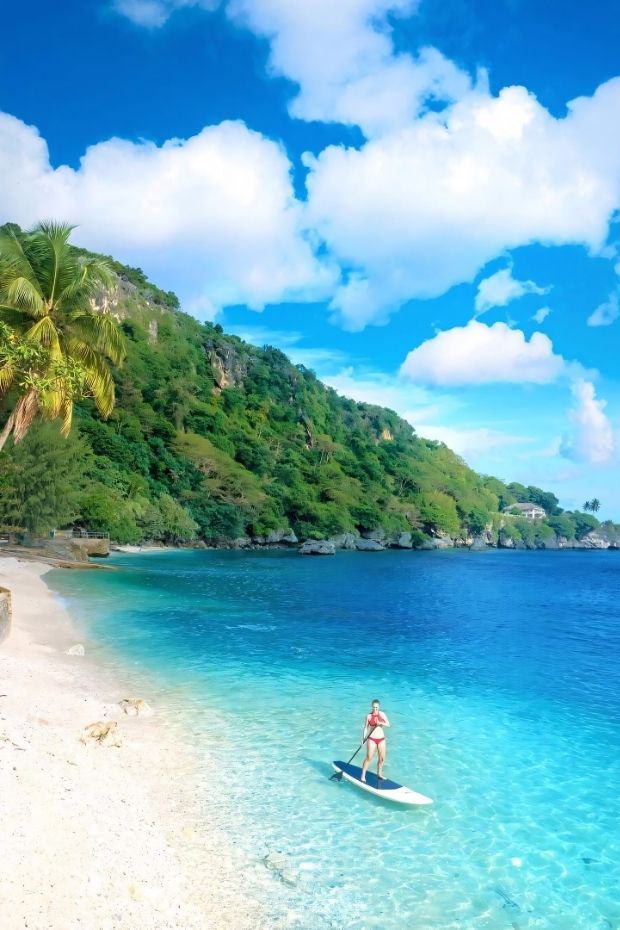
Flying Fish Cove is Christmas Island’s most beloved beach — a west-facing stretch where spinner dolphins regularly put on a show in the deeper water. You can snorkel directly over coral reefs from the shore, and when the swell is up, it’s even surfable.
At sunset, the sky over Flying Fish Cove turns into a full production. Grab a cold drink, plant yourself on the sand, and watch nature absolutely nail the golden hour. It’s one of those simple pleasures that travel blogs write about and, for once, it actually lives up to the hype.
10. The Blowholes: Raw Ocean Power on Full Display
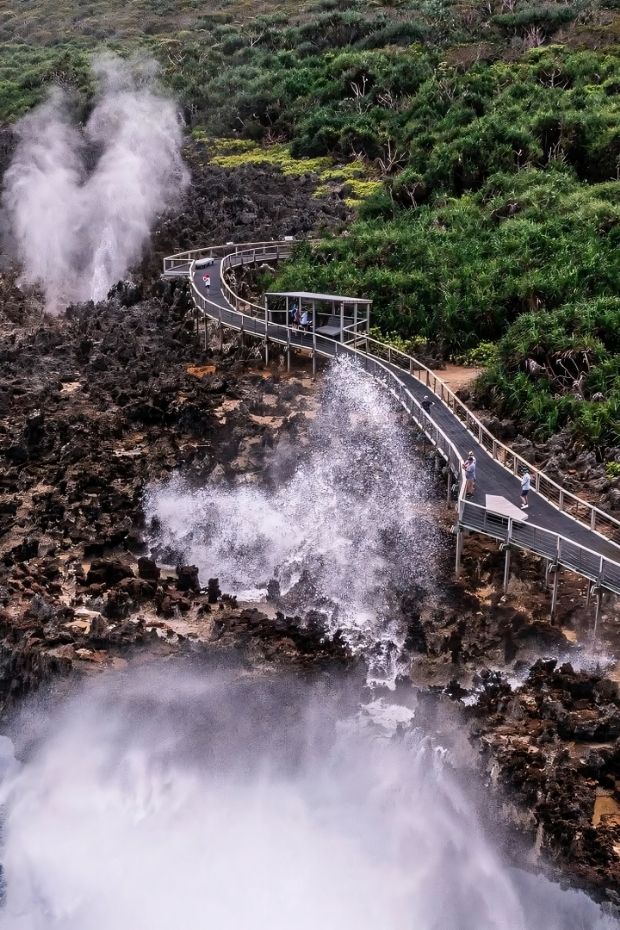
Along the rocky coastline, powerful ocean waves crash into limestone formations and shoot towering columns of water high into the air through natural blowholes. It’s simultaneously terrifying and deeply satisfying to stand near. The surrounding landscape of lush greenery and open ocean views makes it one of the most photogenic spots on the island.
The Blowholes are a reminder that Christmas Island doesn’t just offer gentle, postcard-pretty scenery. It also serves raw, untamed natural drama — and it delivers on both.
11. Anchialine Pools and Sea Caves: An Underground World
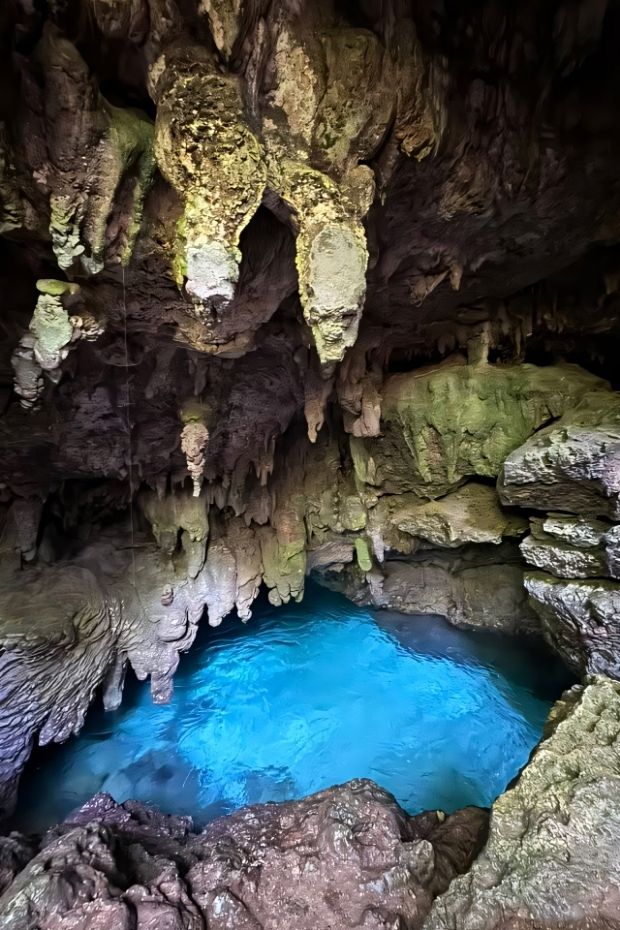
Beneath the island’s limestone surface lies a network of anchialine pools and sea caves connected to the ocean through underground passages. These hidden aquatic environments host unique species adapted to life in complete darkness and shifting salinity levels. It’s about as close to a fantasy underworld as real geology gets.
Christmas Island has several cave types — plateau caves, coastal caves, sea caves, fissure caves, and basalt caves — most of them near the coastline. Exploring even a portion of this underground network feels like discovering a part of the island the map doesn’t fully show.
12. A Cultural Blend That Feels Genuinely Unique
Here’s something most travel guides underplay: Christmas Island has a genuinely multicultural community made up of Chinese, Malay, and Australian residents whose traditions, food, and festivals coexist in a way you rarely see on a 135-square-kilometre island. The local cuisine alone is worth exploring — flavors from across Southeast Asia, served up in one of the most remote corners of the Australian territory.
Cultural festivals here celebrate everything from Chinese New Year to Hari Raya, creating an atmosphere that’s as richly human as the island is wildly natural. It’s a combination that makes Christmas Island feel complete, not just spectacular.
Why Christmas Island Belongs on Your Travel Bucket List
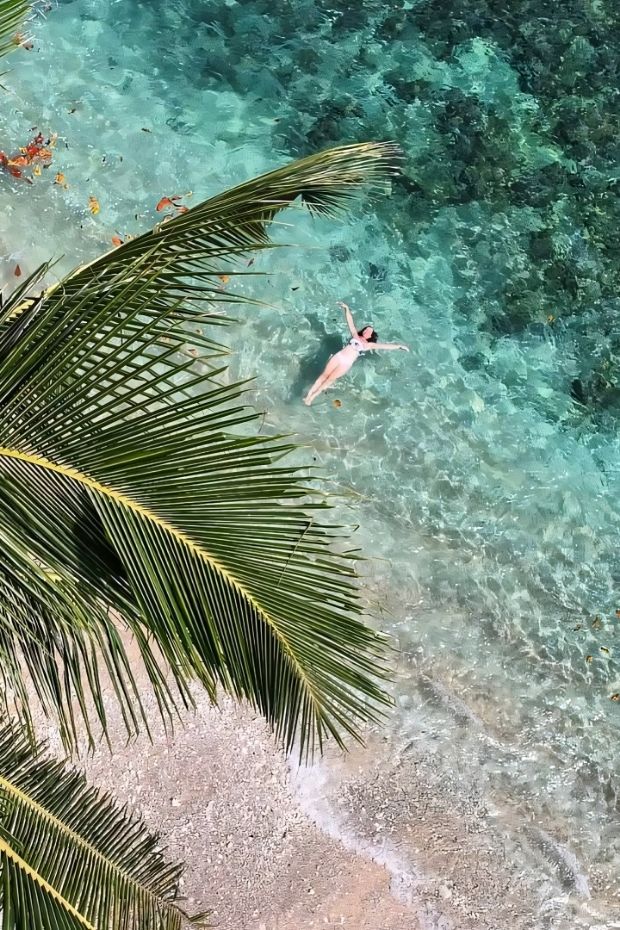
So here’s the honest truth: Christmas Island isn’t for people who want a resort and a swim-up bar. It’s for people who want something genuinely rare — a place where nature still calls the shots, wildlife outnumbers tourists, and every single day offers something you could never manufacture or replicate elsewhere. It’s Australia’s Galapagos for a reason 🙂
Whether you’re timing your visit around the red crab migration, planning a dive with whale sharks, or simply hoping to spot a golden bosun glittering in the afternoon sun, Christmas Island delivers on every level. Book the flight, pack your snorkel, and prepare to have your idea of “fantasy destination” permanently redefined. Some places you visit once and forget. Christmas Island stays with you.