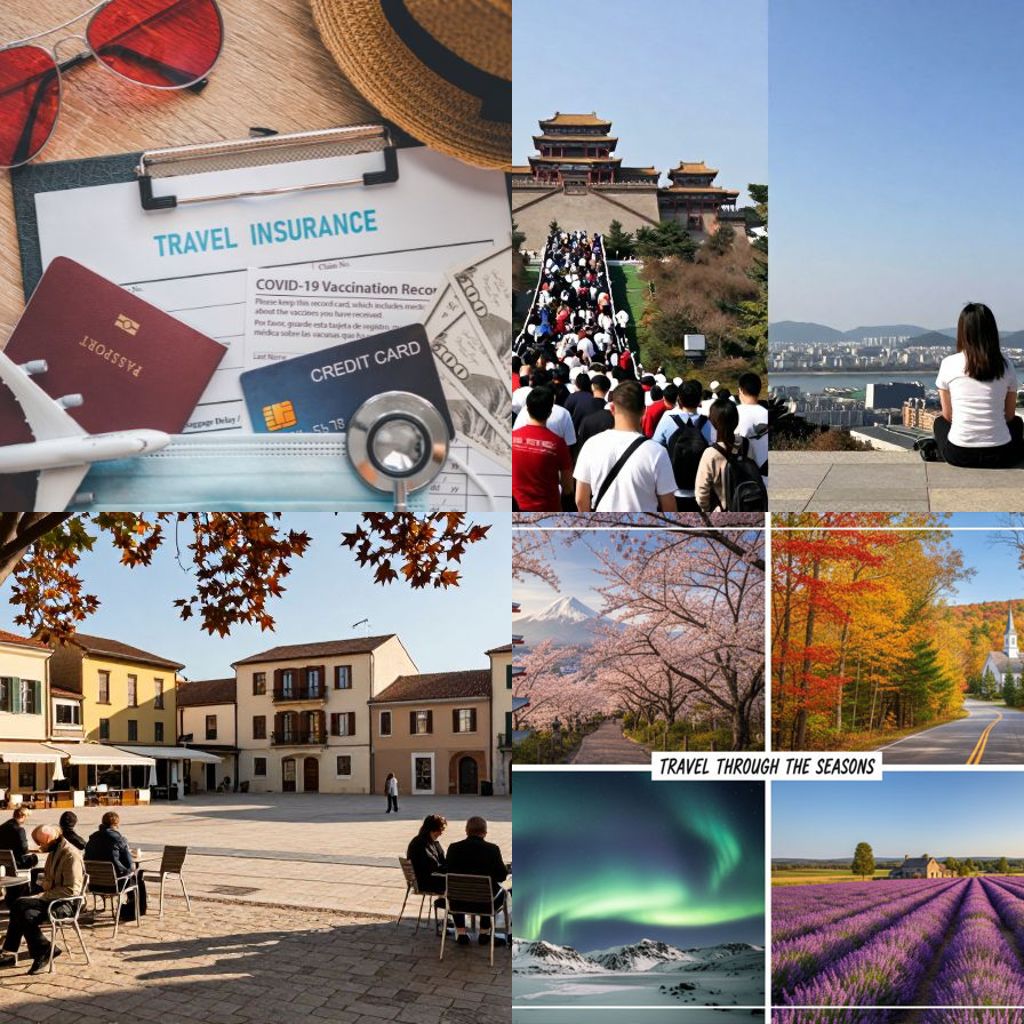
Ever booked a trip only to find yourself stuck in endless airport lines, paying double for a mediocre hotel room, and competing with thousands of tourists for that perfect Instagram shot? Yeah, me too. Here’s the thing: timing really is everything when it comes to travel. Pick the right month, and you’ll unlock a completely different experience. I learned this the hard way after spending way too much money during peak season in Rome (ouch). Let me save you from making the same mistakes.
1. Your Wallet Will Actually Thank You
Let’s talk money because honestly, that’s probably why you’re here. Traveling during shoulder season can slash your overall trip costs by 20-40%. We’re not talking about tiny savings here.
Flight prices alone tell the whole story. Research shows that plane tickets in late August can be 57% cheaper than flights during Christmas. Hotels? They drop their rates when demand falls. That fancy resort you’ve been eyeing suddenly becomes affordable when you book it in October instead of July.
But wait, there’s more 🙂 Car rentals can be 30-50% cheaper outside summer months. Tour packages offer better deals. Even theme parks cut their prices. I once saved enough on shoulder season pricing to upgrade from a cramped hostel to a boutique hotel with a killer view. Your money goes further, and you get to experience more without breaking the bank.
2. Say Goodbye to Tourist Stampedes
Picture this: you’re standing at the Trevi Fountain, actually enjoying its beauty instead of getting elbowed by selfie stick warriors. That’s what traveling in the right month feels like.
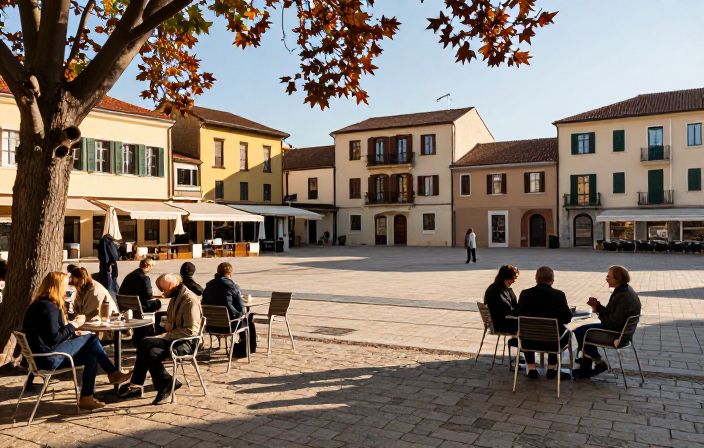
Fewer crowds mean you actually get to experience destinations instead of just surviving them. When schools are in session, popular spots in Italy, France, and Spain breathe easier. You can walk through museums without playing human bumper cars. You can sit at that cute café without waiting an hour for a table.
I visited Ireland in November once, and the difference was mind-blowing. Places that would normally have 60-minute wait times? I walked straight in. No lines. No stress. Just pure exploration. FYI, this applies to beach destinations too. Those all-inclusive resorts in Mexico and the Caribbean are way more chill outside school holidays.
3. Weather Can Work in Your Favor
Here’s something most people get wrong: shoulder season doesn’t mean bad weather. It just means smart weather planning.
Greece still serves up warm, sunny days in March, April, September, and October. You just won’t melt into a puddle like you would in August. Japan’s fall foliage rivals its famous cherry blossoms, with golden leaves and fresh breezes that make exploring actually enjoyable.
Think about destinations strategically. Egypt’s pyramids are best explored October through April when you’re not battling intense summer heat. Peru’s Machu Picchu shines during spring and autumn. Morocco welcomes visitors comfortably outside scorching summer months. You get pleasant temperatures without the weather extremes that make sightseeing miserable.
Seasonal Sweet Spots
Different regions have different ideal windows. Here’s what actually works:
- Europe: April-May and September-October offer mild weather and manageable crowds
- Caribbean: Late spring and early fall dodge both hurricane season peaks and winter price surges
- Africa: April-June and October-November balance wildlife viewing with fewer tourists
- Southeast Asia: November-February brings cooler, drier conditions to most countries
4. Meet Real Locals, Not Just Other Tourists
Want to know the real secret to memorable travel? Authentic interactions with local people. This happens way more easily when destinations aren’t drowning in tourists.
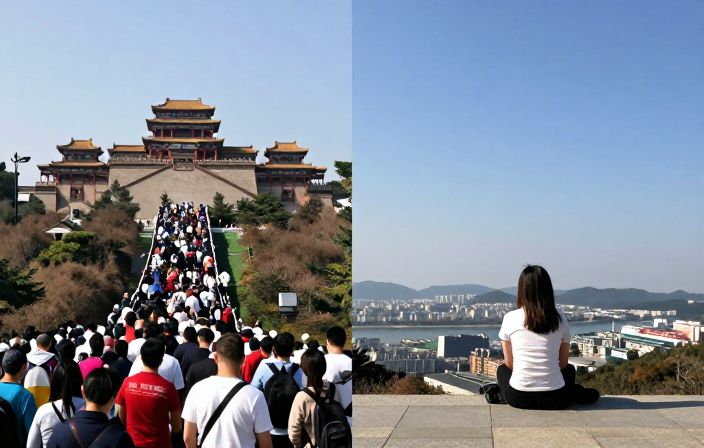
During quieter months, locals have time to chat. Restaurant owners might sit down and recommend their favorite dishes. Shop keepers share stories instead of rushing you through transactions. You get invited to local events that tourists never hear about.
I’ve had some of my best travel experiences during off-peak times. A café owner in Portugal spent 20 minutes teaching me about regional wines because his place wasn’t packed. A guide in Thailand took extra time showing me hidden temples because his schedule wasn’t jammed. These moments don’t happen when everyone’s stressed from overcrowding.
5. Actually See the Attractions You Came For
Nothing kills vacation vibes faster than spending half your trip standing in lines. Choose the right travel month, and you maximize your actual vacation time.
Major attractions like the Louvre, Colosseum, or Blarney Castle transform from endurance tests into enjoyable experiences. You can take your time appreciating art instead of being pushed along by crowds. You can snap photos without photobombers in every shot.
Museums become peaceful again. Historical sites let you actually absorb their significance. Even restaurants and popular viewpoints become accessible without reservations made months in advance. Your limited vacation days suddenly feel longer because you’re not wasting hours in queues.
6. Score Better Options and Flexibility
Ever searched for hotels only to find everything good is booked solid? Travel during smarter months, and you’ll have your pick of accommodations and experiences.
That boutique hotel with amazing reviews? Available. The cooking class everyone raves about? Open spots. The sunset cruise? Not sold out. Shoulder season gives you options that simply don’t exist during peak madness.
Plus, businesses try harder for your business when things are slower. Hotels might upgrade your room. Tour operators offer personalized attention. Restaurants give you the best tables. IMO, this preferential treatment makes trips way more special than being treated like tourist number 10,000 during high season.
Booking Advantages
Lower demand creates these perks:
- Last-minute deals: Spontaneous trips become possible without premium prices
- Room upgrades: Hotels offer better rooms for standard prices
- Flexible cancellation: Businesses accommodate changes more easily
- Longer stays: Your budget stretches further, letting you extend trips
7. Travel More Responsibly
Okay, real talk: overtourism damages destinations. Venice is sinking partly from too many visitors. Barcelona locals protest tourist crowds. Popular trails erode from overuse.
When you travel during shoulder months, you’re part of the solution instead of the problem. You help distribute tourism income throughout the year instead of concentrating it in a few months. Local businesses survive off-season because travelers like you support them year-round.
Attractions face less strain. Infrastructure doesn’t get overwhelmed. Local residents can maintain their quality of life. Your vacation becomes sustainable travel that actually helps communities instead of overwhelming them. It’s a win-win that makes your trip feel better on multiple levels.
8. Discover Destinations in Different Seasons
Here’s something most travelers miss: places completely change character across seasons. You’re not getting a worse experience in shoulder months. You’re getting a different one.
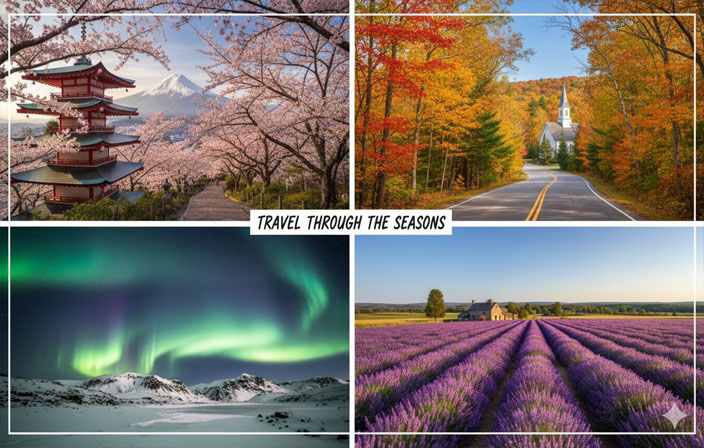
Greece in winter reveals a side tourists never see. Cozy tavernas replace beach clubs. You experience local life without the tourist veneer. Northern lights destinations shine brightest outside summer. European Christmas markets create magical December atmospheres. Spring brings wildflowers to hiking destinations.
Each season tells a different story. Fall foliage transforms landscapes. Winter offers snow-covered beauty and winter sports. Spring brings renewal and festivals. These seasonal variations aren’t downsides, they’re opportunities to see places in their full complexity rather than just their peak tourist face.
Seasonal Highlights Worth Planning For
- Cherry blossoms in Japan: March-April creates stunning pink canopies
- Fall colors in New England: September-October paints forests in brilliant hues
- Northern lights in Iceland: September-March offers dark skies for aurora viewing
- Lavender fields in Provence: Late June-early August fills valleys with purple blooms
- Wildlife migrations in Africa: Specific months offer incredible animal viewing opportunities
Making Your Month Decision
So how do you actually pick your travel month? Start with your destination’s climate patterns and tourist seasons. Research when schools are in session if you’re avoiding family crowds.
Consider what matters most to you. Saving money? Go shoulder season or off-peak. Want specific festivals or events? You might need to bite the bullet on peak season costs. Can’t handle cold weather? Rule out winter months for certain destinations.
Check what attractions and services operate during different seasons. Some mountain resorts close in summer. Beach towns shut down in winter. Make sure your must-do activities are actually available when you plan to visit.
Balance is key. The “right” month sits at the intersection of your budget, weather preferences, crowd tolerance, and travel goals. There’s no universal best month, just the best month for you and your specific trip.
Look, travel timing isn’t rocket science, but it makes a massive difference. I’ve done the cramped, expensive, crowded trip thing. I’ve also experienced the relaxed, affordable, authentic version. Trust me, choosing your travel month wisely transforms everything. You’ll save money, reduce stress, and actually enjoy the places you’re spending good money to visit. Your future traveling self will thank you :/