Look, we’ve all been there. You show up at your campsite all excited for a weekend under the stars, only to realize you forgot something crucial. Maybe it’s a pillow, maybe it’s bug spray, or maybe you’re stuck trying to eat beans straight from the can because you forgot a spoon. Not fun, right? I learned this the hard way on my first camping trip, and trust me, sleeping on a pile of jackets is not the move.
This list covers the 14 tent camping must haves that’ll actually make your weekend comfortable instead of miserable. No fluff, no fancy gear you’ll use once. Just the essentials that separate a great camping trip from a “why did we even leave the house” disaster.
A Reliable Tent That Won’t Betray You
Your tent is literally your home for the weekend, so don’t cheap out here. A quality tent with a proper rainfly and footprint makes all the difference between waking up dry and cozy versus waking up in a puddle at 3 AM. I’ve camped in both scenarios, and spoiler alert: puddles kill the vibe fast.
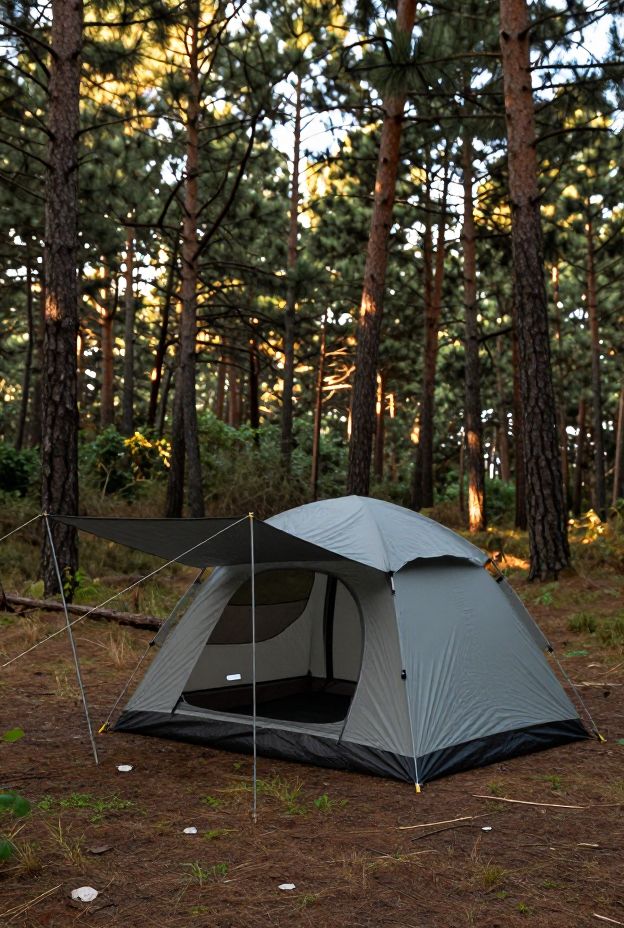
When picking a tent, go one size bigger than you think you need. A four-person tent for two people gives you room for your gear without feeling like you’re playing Tetris every night. Make sure it comes with stakes and guy lines, and double-check that rainfly actually covers the whole tent. Some budget tents skimp on this, and you’ll regret it the moment clouds roll in.
Also, practice setting it up at home before you go. Nothing screams “amateur hour” like fumbling with poles while the sun sets and mosquitoes launch their attack 🙂
Sleeping Bag Rated for the Temperature
Ever wonder why people wake up cranky at campsites? Usually, it’s because they froze all night in a sleeping bag rated for summer when it’s actually 45 degrees outside. Check the temperature rating and go lower than you expect. Nights get cold, even in summer.
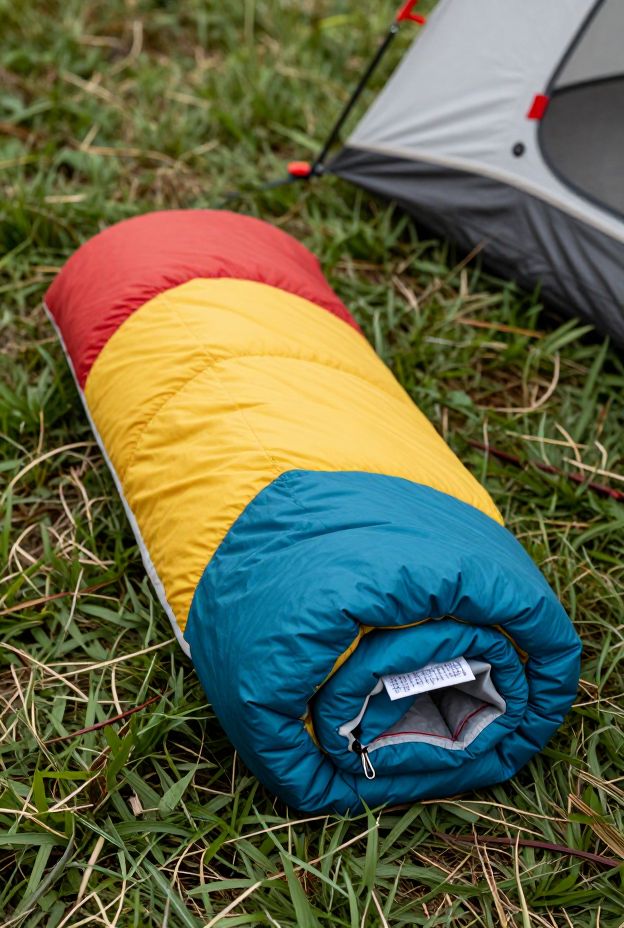
You want a sleeping bag that’s actually warm enough for the conditions. If you’re camping in spring or fall, grab one rated for at least 20-30 degrees Fahrenheit. Summer camping? A 40-degree bag works fine. FYI, you can always unzip if you’re too warm, but there’s no fix for being too cold except suffering until sunrise.
Mummy-style bags trap heat better, but rectangular bags give you more wiggle room. Pick based on whether you’re a restless sleeper or someone who stays put all night.
Sleeping Pad or Air Mattress
The ground is hard. Like, really hard. A good sleeping pad or air mattress is non-negotiable unless you enjoy waking up with every bone in your body aching. I tried roughing it once without one, and my back still hasn’t forgiven me.
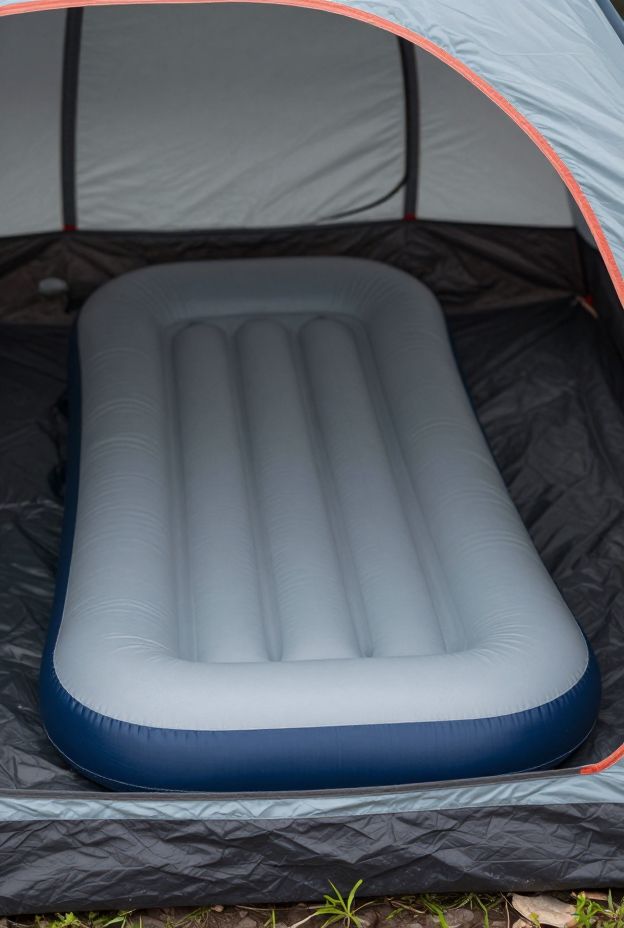
Foam pads are lightweight and never go flat, but they’re not super comfy. Self-inflating pads offer a nice middle ground. Full air mattresses are the luxury option, but bring a pump and a repair kit because Murphy’s Law says you’ll find every sharp stick within a mile radius.
Pro tip: if you go with an air mattress, put a blanket or sleeping pad underneath it. The ground sucks heat right through inflatable mattresses, and you’ll wake up cold even with a good sleeping bag.
Camping Pillow for Actual Sleep
Sure, you could ball up a jacket and call it a pillow. You could also just accept that you’ll wake up with a stiff neck and a bad mood. A real camping pillow weighs almost nothing and compresses down small, so there’s zero reason to skip it.
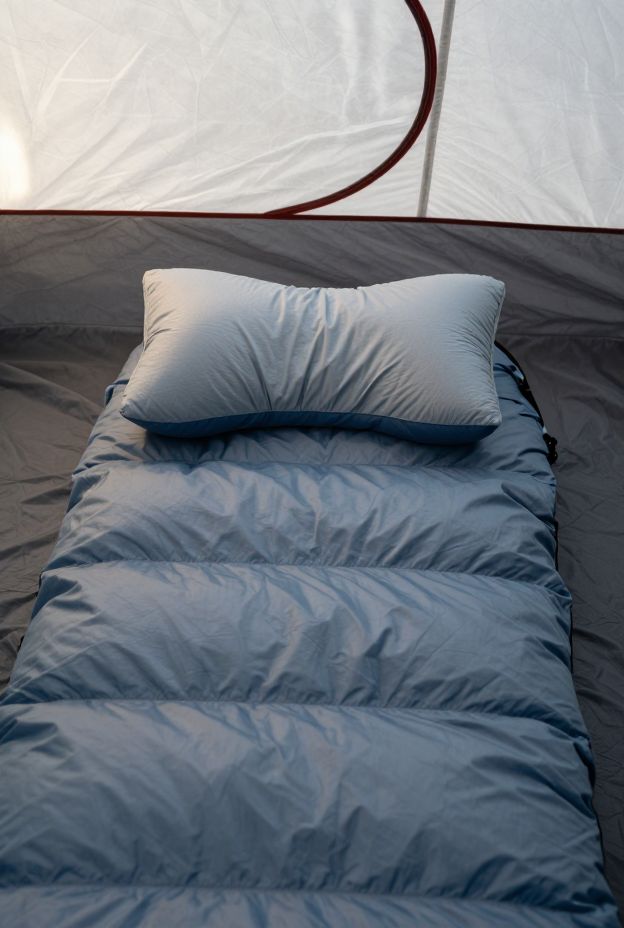
Inflatable pillows pack tiny but need a few breaths to set up. Compressible foam pillows feel more like real pillows but take up a bit more space. Some people bring their regular pillow from home if they’re car camping, which honestly? Not a bad call if you’ve got the room.
Headlamp and Extra Batteries
Trying to navigate a dark campsite with your phone flashlight is a special kind of annoying. A hands-free headlamp lets you cook, set up camp, or stumble to the bathroom at 2 AM without fumbling around like a confused moth.
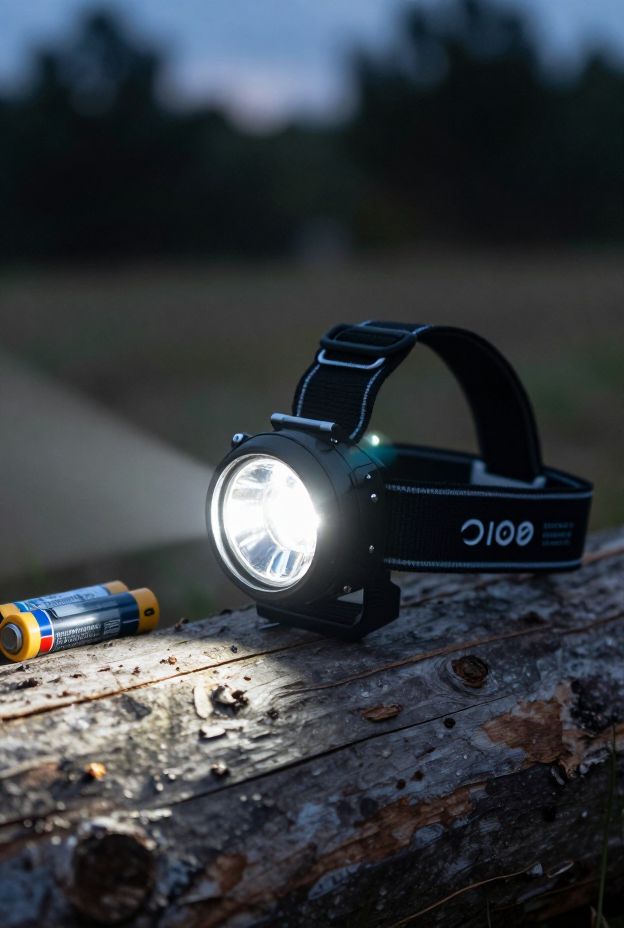
Get one with adjustable brightness and a red light mode. The red light preserves your night vision and won’t blind your camping buddies when you turn your head. And for the love of all that is holy, pack extra batteries. Dead headlamp + pitch black campsite = bad time.
Everyone in your group needs their own headlamp. Sharing sounds nice in theory, but it gets old real quick when someone needs to pee and takes the only light source.
Lantern for Campsite Lighting
Headlamps work great for tasks, but you need a lantern for ambient light at your campsite. Eating dinner or playing cards in a tiny circle of headlamp light is no fun. A good lantern lights up your whole area and creates that cozy camping atmosphere.
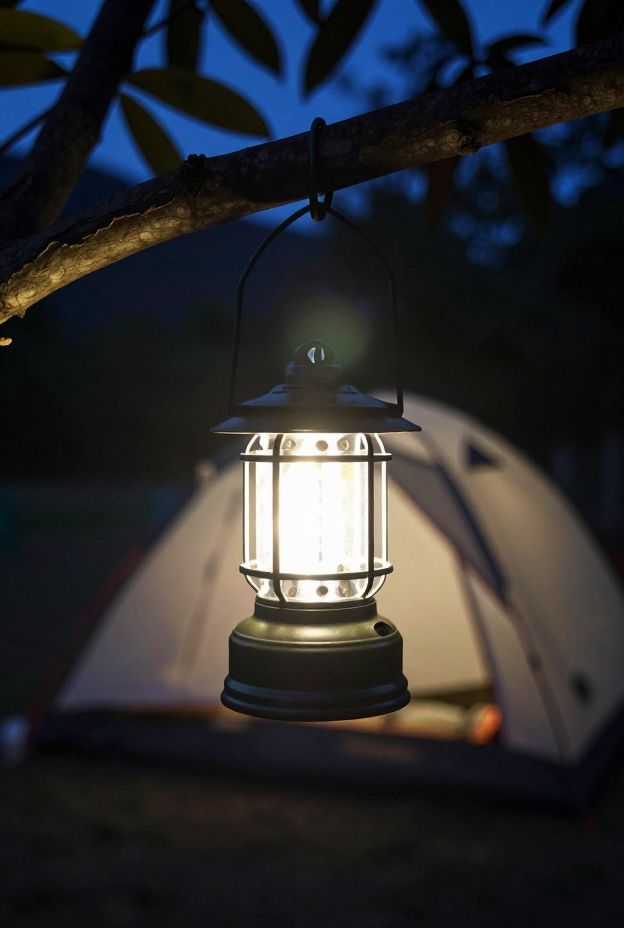
Battery-powered LED lanterns are the safest and easiest option. They last for hours, won’t start fires, and you can hang them from a tree branch or your tent’s peak loop. Skip the fuel-powered lanterns unless you really know what you’re doing.
Some lanterns have built-in charging ports, which is clutch if your phone dies and you need to call someone or check the weather.
Comfortable Camp Chairs
You’re going to spend a lot of time sitting around the campfire, and sitting on logs or the ground gets old fast. Portable camp chairs are essential for actually relaxing on your camping trip.
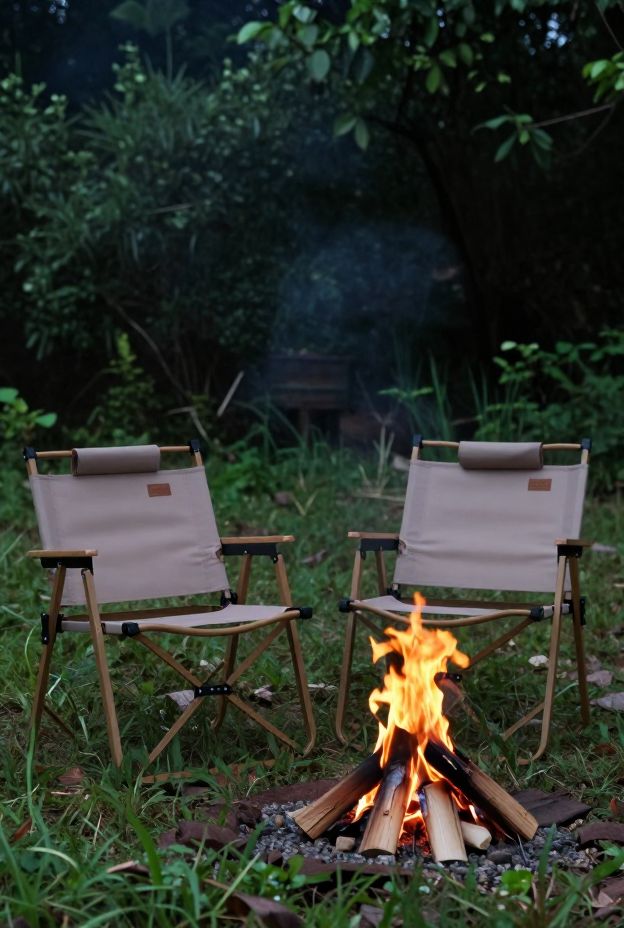
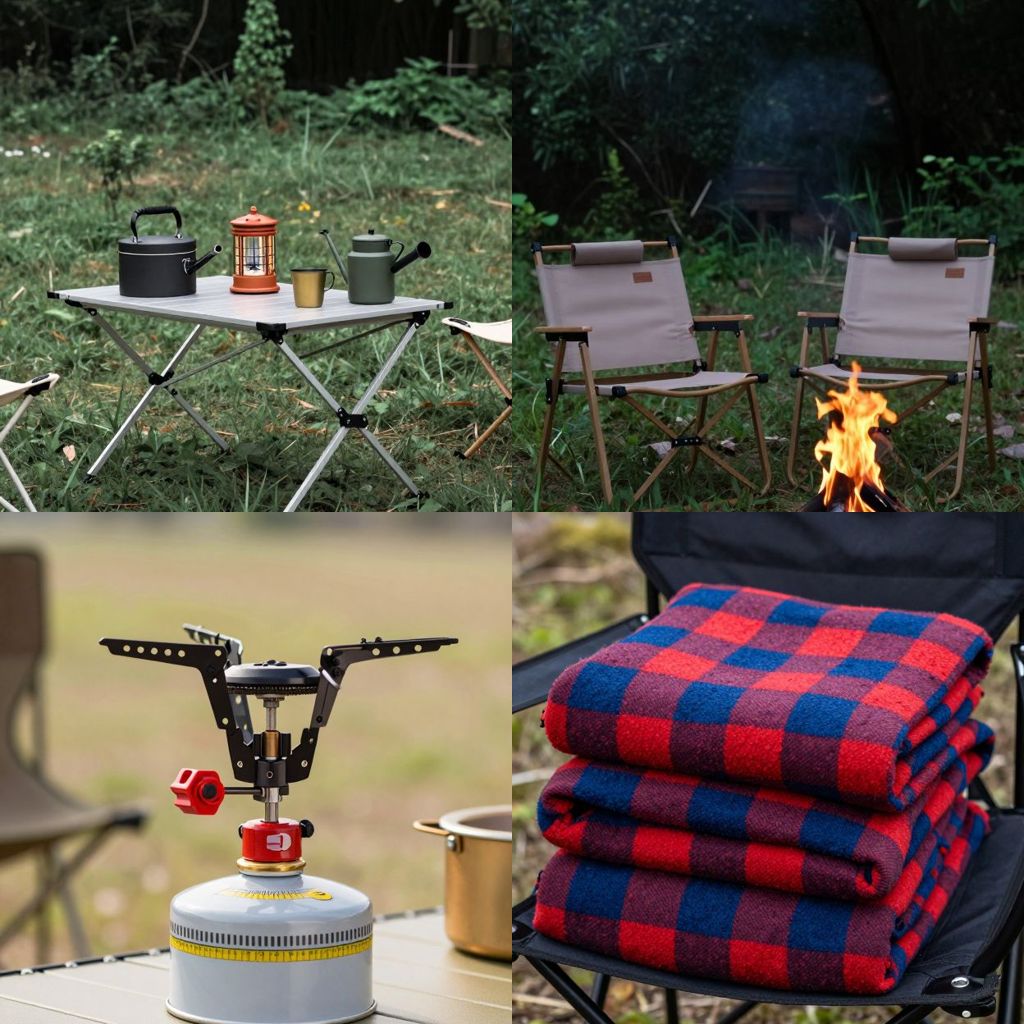
Look for chairs that fold up compact but have good back support. The cheapest chairs wobble and collapse after a few uses. IMO, spending an extra twenty bucks on a solid chair is worth it. Some camp chairs even have cup holders and side pockets, which is pretty sweet for keeping your drink and snacks within reach.
Cooler Stocked with Ice
Warm beer and spoiled food can ruin a camping trip faster than a rainstorm. A quality cooler with plenty of ice keeps your food safe and your drinks cold. Nothing fancy needed, just something that actually insulates.
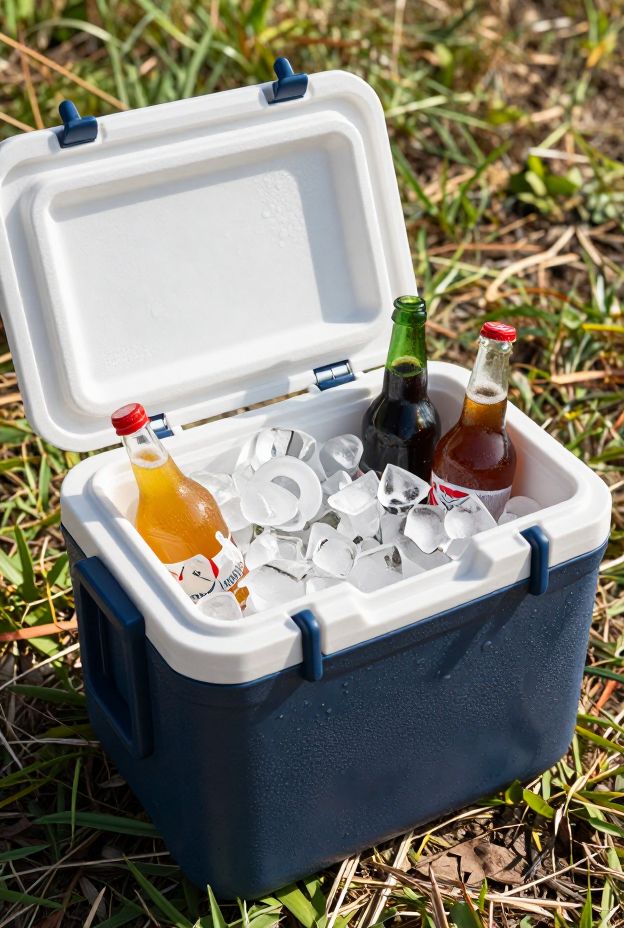
Pack your cooler smart: ice on the bottom, drinks on top, food in the middle. Block ice lasts way longer than cubed ice. If you’re camping in bear country, make sure your cooler is bear-resistant or store it properly in your car.
Bring more ice than you think you need. It melts faster than expected, especially if you’re opening the cooler every five minutes.
Camp Stove and Fuel
Cooking over a campfire looks romantic in movies, but in reality, it’s smoky, unpredictable, and half the time your food ends up burnt on one side and raw on the other. A portable camp stove gives you actual temperature control and makes cooking way easier.
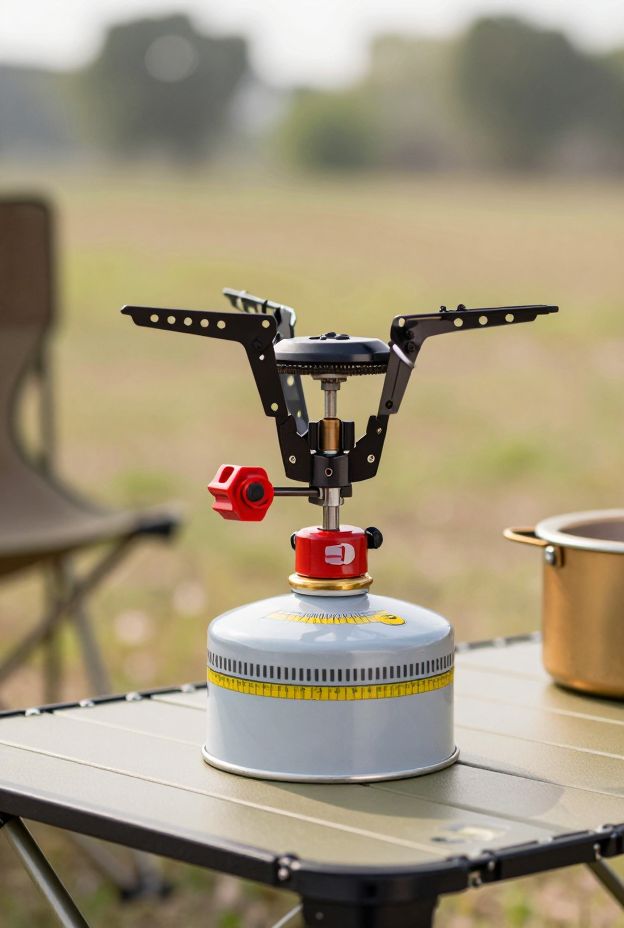
Two-burner stoves let you cook multiple things at once, which is clutch for breakfast when you want eggs and coffee happening simultaneously. Single-burner backpacking stoves work fine for simple meals. Just make sure you have enough fuel canisters for all your meals plus extras.
Always cook outside your tent. I know this sounds obvious, but people do weird things when it’s cold and rainy.
First Aid Kit
Accidents happen. Blisters, cuts, burns, bug bites, headaches. A well-stocked first aid kit handles all the minor emergencies that pop up when you’re away from civilization. You don’t need anything fancy, just the basics.
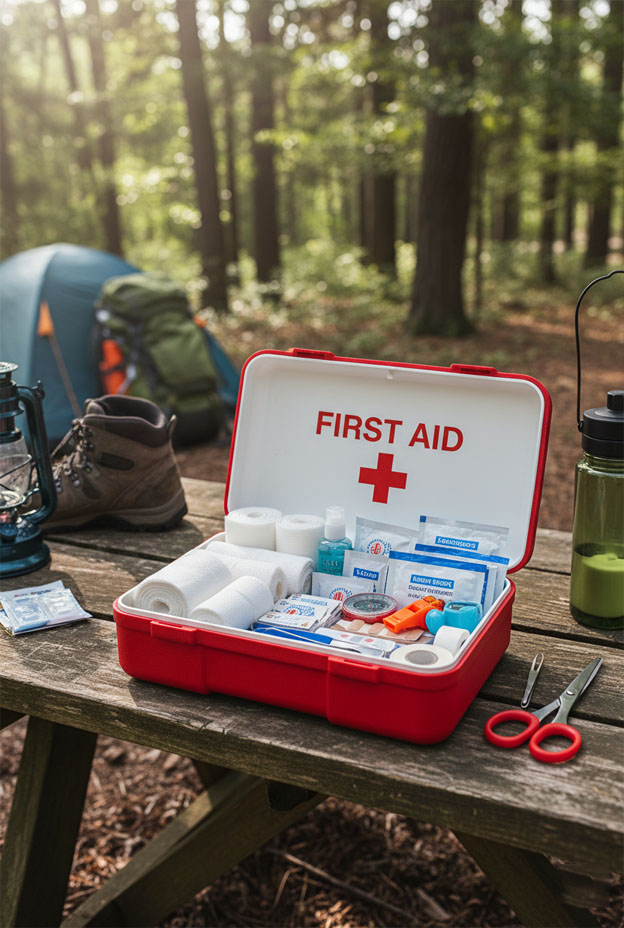
Your kit should have bandages, antiseptic wipes, pain relievers, antihistamines for allergic reactions, tweezers for splinters, and any personal medications you need. Throw in some moleskin for blisters if you’re doing any hiking.
Check your first aid kit before each trip. Expired medications and dried-out antiseptic wipes don’t help anyone.
Multi-Tool or Camping Knife
You’ll need to cut, open, tighten, and fix stuff constantly while camping. A good multi-tool or camping knife handles about a hundred different jobs. Opening food packages, tightening tent stakes, cutting rope, prepping food… the list goes on.
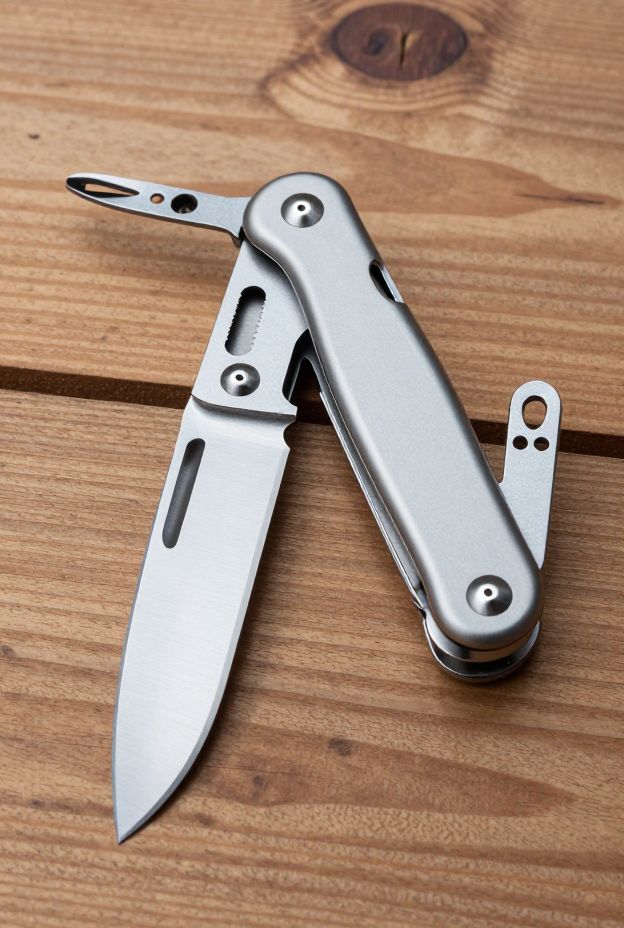
Multi-tools with pliers, screwdrivers, and a knife blade cover most situations. If you prefer a dedicated camping knife, get one with a fixed blade for durability. Either way, keep it sharp and accessible.
Water Containers and Storage
Hydration is crucial, especially if you’re hiking or it’s hot outside. Reusable water bottles for everyone plus a larger water jug for your campsite makes life so much easier. Running back to the water spigot every time someone’s thirsty gets annoying.
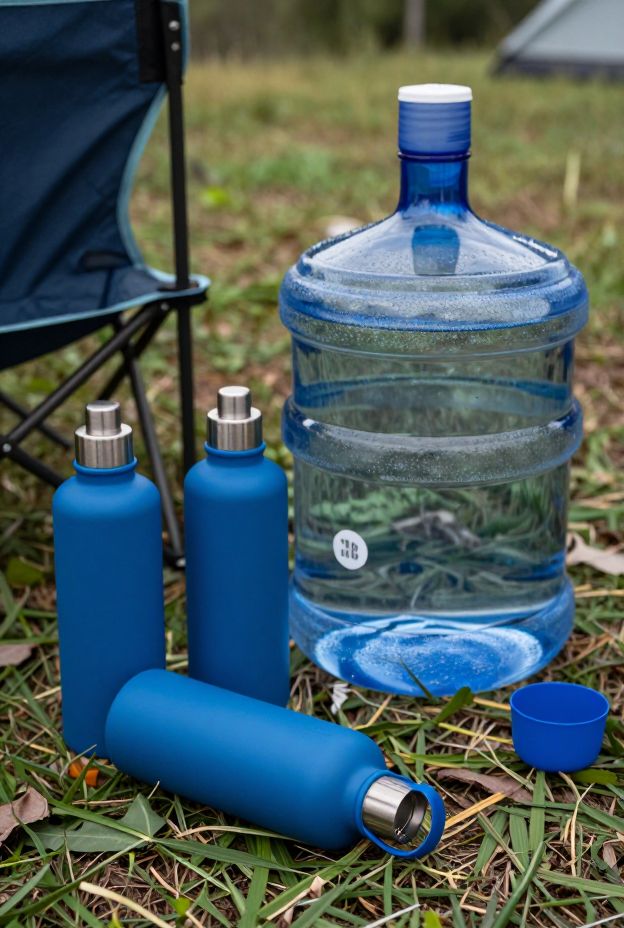
A five-gallon water container keeps your campsite stocked for cooking, drinking, and washing dishes. Collapsible water containers save space when empty, which is nice for packing. Just make sure whatever you bring is food-safe and doesn’t make your water taste like plastic.
Extra Blankets for Warmth
Even with a good sleeping bag, extra blankets add another layer of warmth and comfort. Temperatures drop more than you expect at night, and there’s no such thing as too warm when you’re sleeping in a tent.
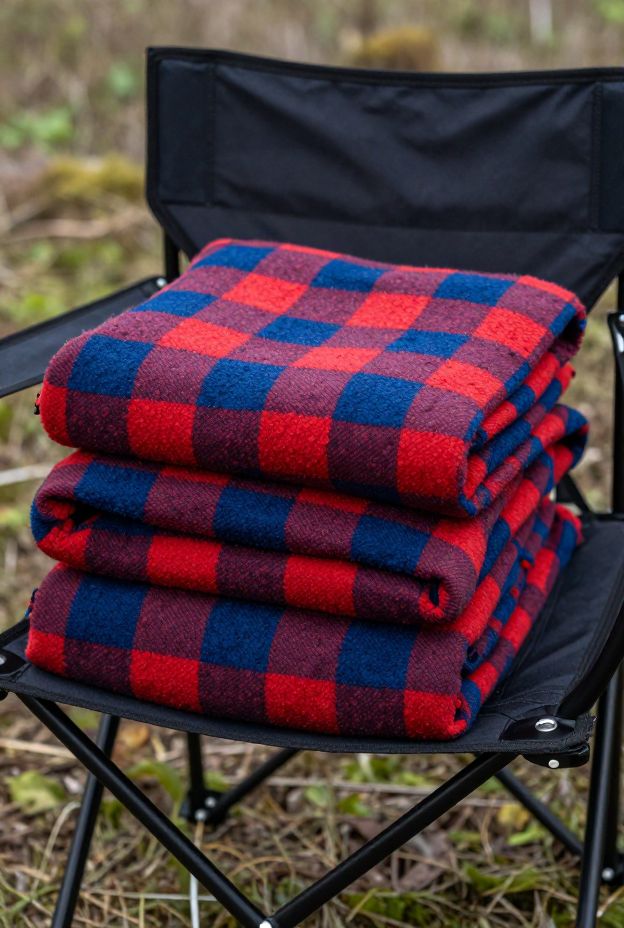
Fleece blankets work great because they’re warm, lightweight, and dry quickly if they get damp. You can also use them for sitting around the campfire or as extra padding under your sleeping pad. Pack one or two per person, and you’ll thank yourself when the temperature drops.
Camping Table
Unless your campsite has a picnic table (and many don’t), you need somewhere to prep food and set stuff down. A portable camping table gives you an actual surface to work with instead of balancing everything on coolers and camp chairs.
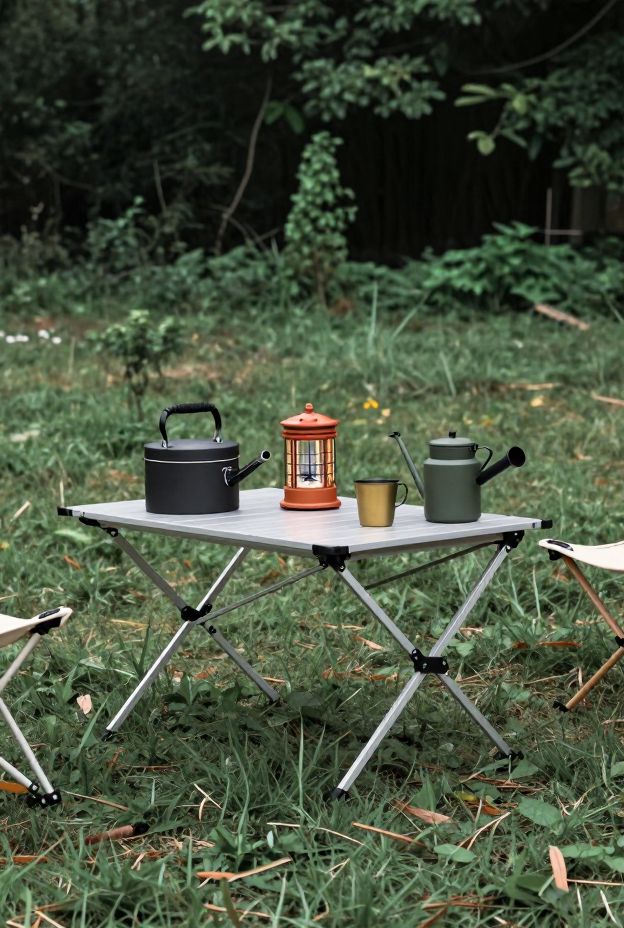
Folding tables are cheap, lightweight, and pack flat. They make cooking and eating way more civilized. You don’t need anything huge—a small two-foot table works fine for most campsites. Some even have adjustable heights, which is handy.
Seriously, once you camp with a table, you’ll never go back to the ground-juggling act.
Pack Smart, Camp Happy
Having the right gear makes tent camping actually enjoyable instead of just surviving the weekend. These 14 essentials cover your bases for shelter, sleep, food, and comfort. You don’t need a ton of fancy equipment—just solid, reliable gear that does its job.
Make a checklist before each trip and pack the night before. Nothing kills the excitement faster than realizing you forgot something important when you’re already at the campsite. Start with these must-haves, add a few personal favorites, and you’re set for a comfy weekend outdoors.
Now get out there and enjoy nature without freezing, starving, or sleeping on rocks. Happy camping!