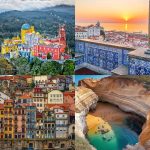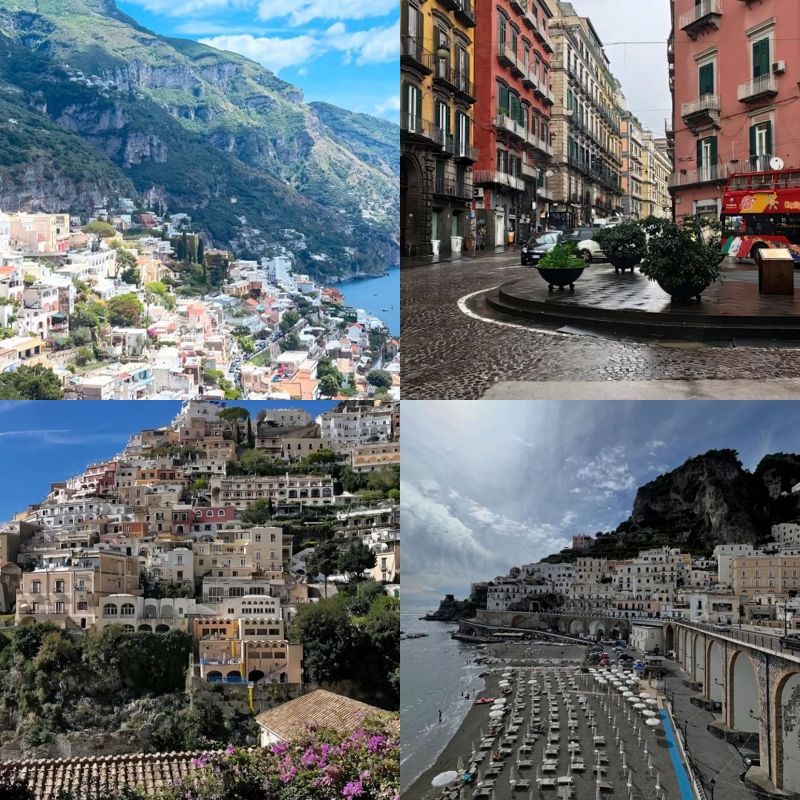
So you’re planning a trip to Italy and wondering which spots deserve a place on your itinerary? I’ve spent weeks exploring the stretch from Rome to the Amalfi Coast, and trust me, this route packs more jaw-dropping moments than you can shake a gelato cone at. From ancient ruins to clifftop villages that look like they’ve been Photoshopped into existence, this journey offers the perfect blend of history, culture, and those Instagram-worthy coastal views everyone raves about.
Here’s my curated list of the 12 most unforgettable destinations you absolutely need to visit on this iconic Italian adventure. Each spot brings something unique to the table, and I’m here to spill all the details. 🙂
1. Rome: The Eternal City
You can’t start this journey without spending serious time in Rome. This isn’t just a city; it’s basically an open-air museum where every corner whispers stories from thousands of years ago. The Colosseum alone will make you wonder how ancient Romans built something so massive without modern machinery.
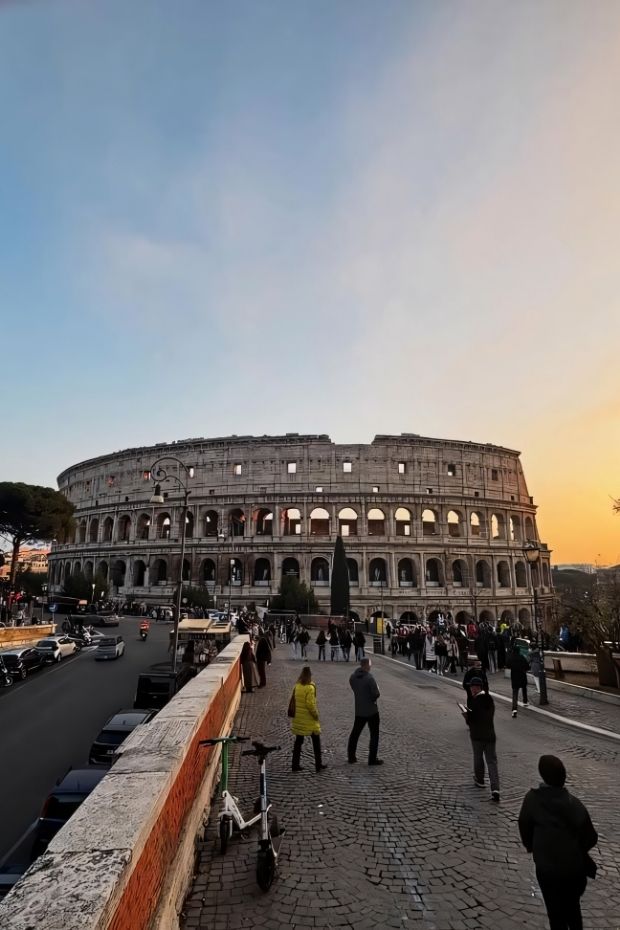
Wander through the Roman Forum and feel the weight of history beneath your feet. The Pantheon stands as one of the best-preserved ancient buildings, and spoiler alert: it’s even more impressive inside than out. Don’t skip the Trevi Fountain either—yes, it’s crowded, but throwing that coin in feels like a rite of passage.
Give yourself at least three full days in Rome. You’ll need every minute to tackle the Vatican Museums, explore Trastevere’s charming streets, and eat your way through countless trattorias. The pizza alone justifies the trip, IMO.
2. Pompeii: Frozen in Time
Ever wondered what daily life looked like in 79 AD? Pompeii answers that question in the most haunting way possible. This ancient city got buried under volcanic ash when Mount Vesuvius erupted, and now you can walk through incredibly preserved streets, homes, and even ancient fast-food joints called thermopolia.
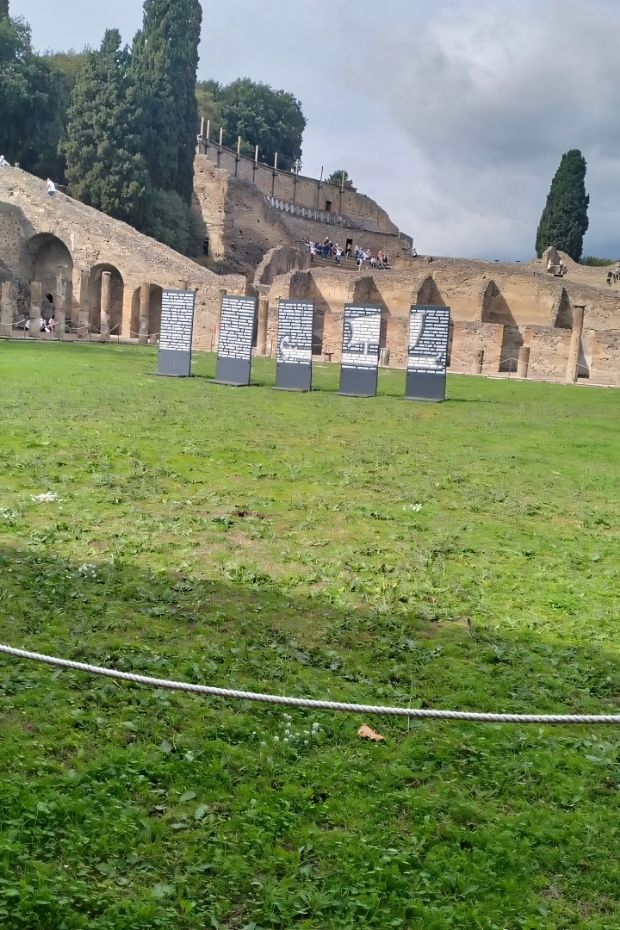
The plaster casts of victims are sobering reminders of the tragedy. You’ll see frescoes that still show vibrant colors, mosaics that survived nearly 2,000 years, and bakeries where bread was being made when disaster struck. The Forum gives you a sense of the city’s grandeur before catastrophe hit.
Pro tip: arrive early to beat the crowds and wear comfortable shoes. This site sprawls across 170 acres, and you’ll want to explore every corner. Budget at least three hours minimum, though history buffs could easily spend an entire day here.
3. Naples: Gritty and Gorgeous
Naples gets a bad rap, but honestly? That’s part of its charm. This city feels raw and real in ways that polished tourist destinations never manage. The energy here hits differently—chaotic streets, passionate locals, and pizza that makes every other pizza taste like cardboard.
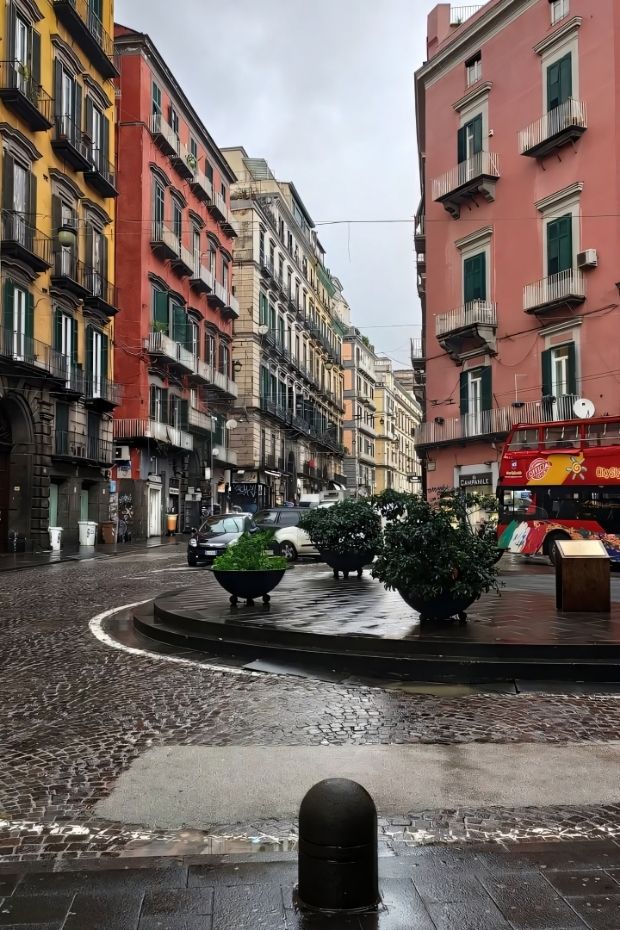
The historic center is a UNESCO World Heritage Site packed with baroque churches and narrow alleys. Visit the Naples Archaeological Museum to see treasures from Pompeii and Herculaneum. The Spaccanapoli street cuts straight through the old town, offering endless opportunities for people-watching and street food sampling.
Don’t leave without trying authentic Neapolitan pizza at L’Antica Pizzeria da Michele or Sorbillo. The soft, pillowy crust with simple toppings shows you what pizza was always meant to be. Naples also serves as your gateway to both Pompeii and the Amalfi Coast, making it a practical stop.
4. Sorrento: Gateway to Paradise
Sorrento sits perched on cliffs overlooking the Bay of Naples, and it’s basically the perfect base camp for exploring the region. The town itself charms you immediately with its lemon groves—seriously, the lemons here are the size of softballs—and sweeping coastal views that’ll have you reaching for your camera every five minutes.
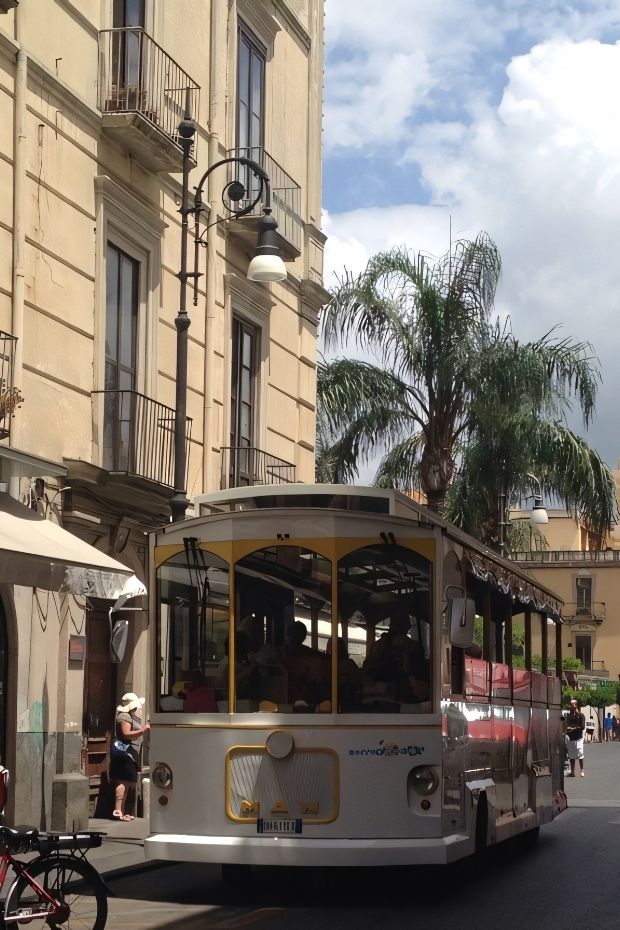
The main square, Piazza Tasso, buzzes with cafes and shops selling limoncello, local ceramics, and inlaid woodwork. Stroll down to Marina Grande, a small fishing village below the cliffs where you can grab fresh seafood right off the boat. The sunset views from Villa Comunale Park cost nothing but deliver million-dollar memories.
Sorrento makes an excellent launching point for day trips to Capri, Positano, and Pompeii. The town is more laid-back than the busier Amalfi Coast spots, which means you get coastal beauty without quite as many crowds. Plus, that limoncello you’ll sample at a local orchard? Life-changing.
5. Positano: Vertical Village Goals
If Instagram had a hometown, Positano would be it. This vertical village tumbles down the cliffside in a cascade of pastel-colored houses that seem to defy gravity. Every angle looks like it belongs on a postcard, and honestly, the hype is 100% justified.
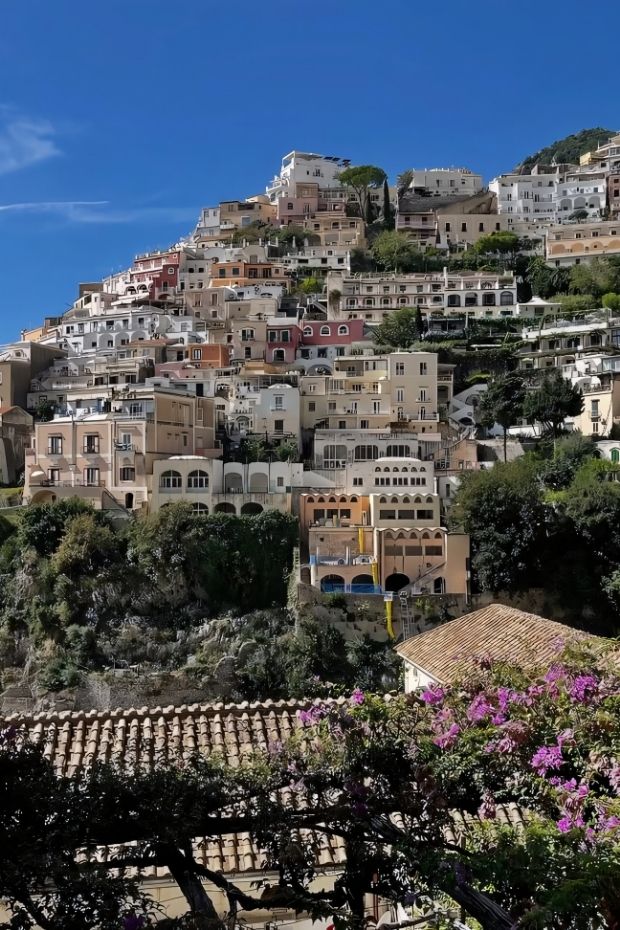
The narrow streets and steep staircases become your workout for the day. Boutique shops line these pathways, selling everything from handmade sandals to breezy linen clothing perfect for the Mediterranean climate. The main beach, Spiaggia Grande, stretches out below with its iconic colorful umbrellas and boats bobbing in turquoise water.
Positano isn’t cheap—FYI, this is where wealthy travelers come to splurge. But you don’t need to stay at a luxury hotel to enjoy the views. Grab an Aperol Spritz at a clifftop bar, watch the sunset paint the buildings gold, and soak in the atmosphere. The Church of Santa Maria Assunta with its majolica-tiled dome adds a cultural touch to all that natural beauty.
6. Amalfi: Historic Maritime Glory
The town that gives this famous coastline its name deserves serious attention. Amalfi once rivaled Venice and Genoa as a maritime powerhouse, and you can still feel that historic significance when you walk through its streets. The town sits at the base of dramatic cliffs, with buildings painted in shades of white and cream.
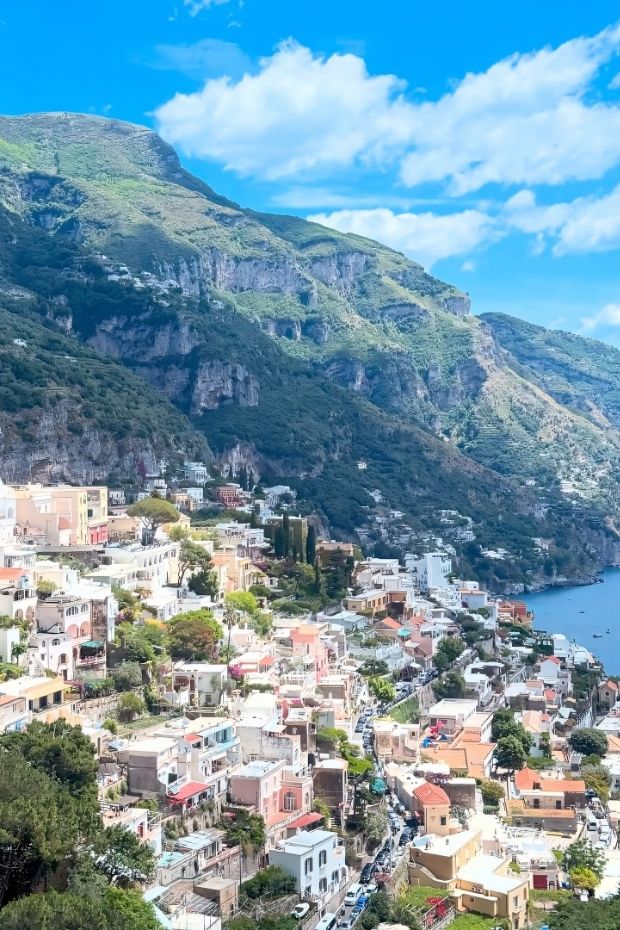
The Amalfi Cathedral dominates the main square with its stunning Arab-Norman architecture and striped facade. Climb those stairs (yes, there are lots of them) to admire the bronze doors cast in Constantinople and the beautiful cloister inside. The cathedral’s mix of architectural styles tells the story of centuries of cultural influences.
Wander the side streets to find shops selling handmade paper, a local tradition dating back to medieval times. The town feels less pretentious than Positano while still delivering those iconic coastal views. From here, you can easily explore other nearby villages or take a boat tour along the coast to see hidden beaches and grottos.
7. Ravello: Gardens in the Sky
Perched 365 meters above sea level, Ravello offers something completely different from the coastal towns below. This hilltop sanctuary trades beaches for breathtaking gardens and trades crowds for tranquility. When you need a break from the busy coastline, Ravello provides the perfect escape.
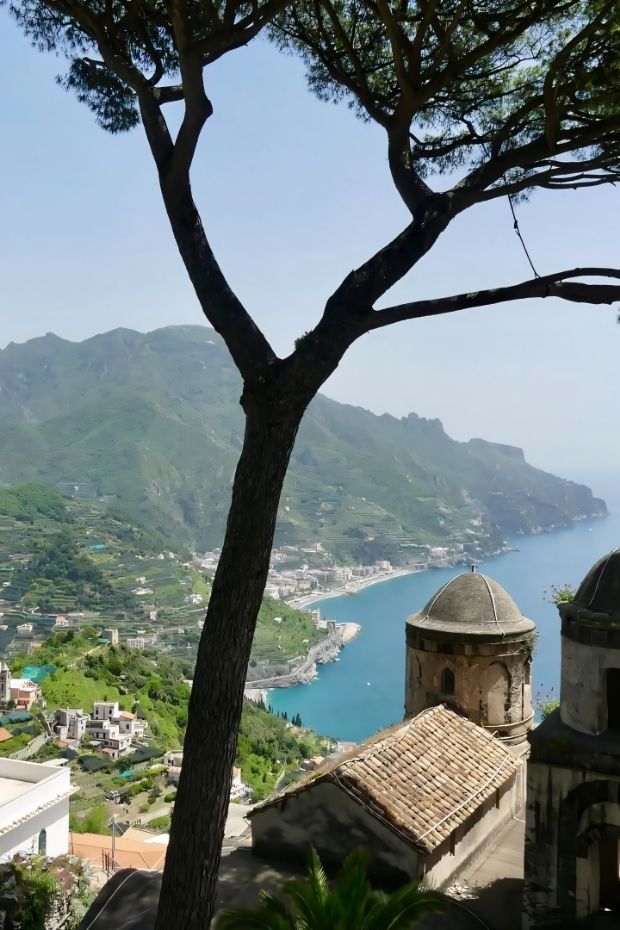
The gardens at Villa Rufolo and Villa Cimbrone are absolutely spectacular. Villa Cimbrone’s Terrace of Infinity gives you panoramic views that stretch forever across the Mediterranean. These manicured gardens burst with colorful flowers, ancient statues, and elegant pathways that make you feel like you’ve stepped into a different century.
Ravello has attracted artists, musicians, and writers for generations. The town hosts a famous music festival every summer where concerts happen against that incredible backdrop. Even if you’re not catching a performance, the peaceful atmosphere and jaw-dropping vistas make the winding drive up totally worth it.
8. Atrani: Italy’s Smallest Gem
Right next door to Amalfi sits Atrani, Italy’s smallest municipality and possibly its most authentic. While tour buses unload in neighboring towns, Atrani maintains its quiet, local vibe. The whole village fits into a tiny valley, with a small beach and a central piazza where locals actually outnumber tourists.
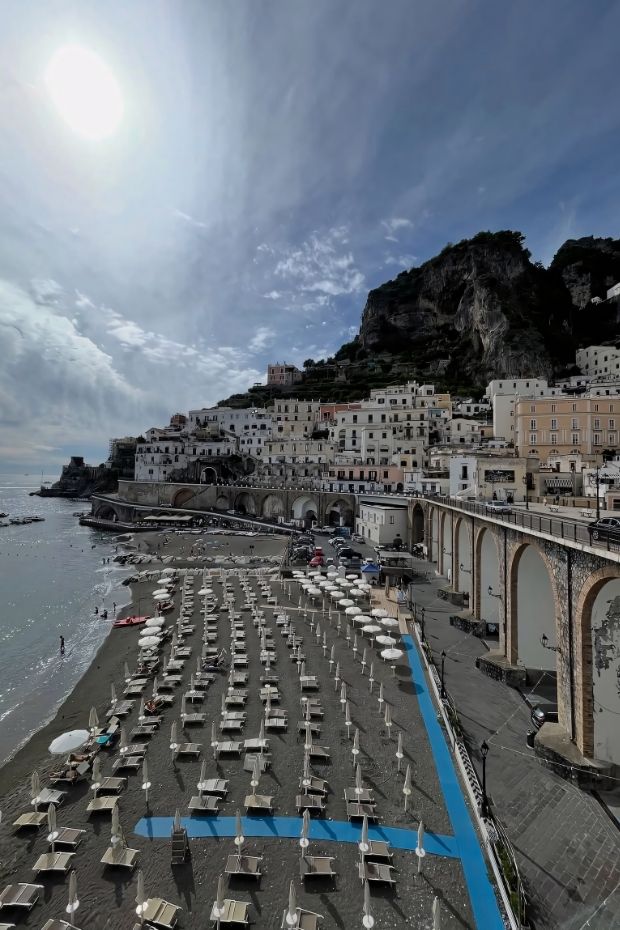
The charm here lies in its simplicity. Narrow staircases and tunnels connect different parts of the village, creating a maze that begs exploration. The Church of San Salvatore de’ Birecto features a beautiful bronze door and served as the coronation site for medieval rulers of Amalfi. Locals hang laundry from their balconies, kids play soccer in the square, and time seems to move slower.
Grab dinner at one of the family-run restaurants where the menu changes based on what’s fresh that day. Prices here are noticeably lower than in Positano or Ravello, and the food tastes just as delicious. Atrani shows you what Amalfi Coast life looks like when it’s not performing for cameras.
9. Furore: The Painted Village
Furore might be the most unusual town on this list because it barely looks like a town at all. Houses scatter across the mountainside without a traditional center, and local artists have painted murals on buildings throughout the area. The main attraction? A dramatic fjord where cliffs plunge down to a tiny beach.
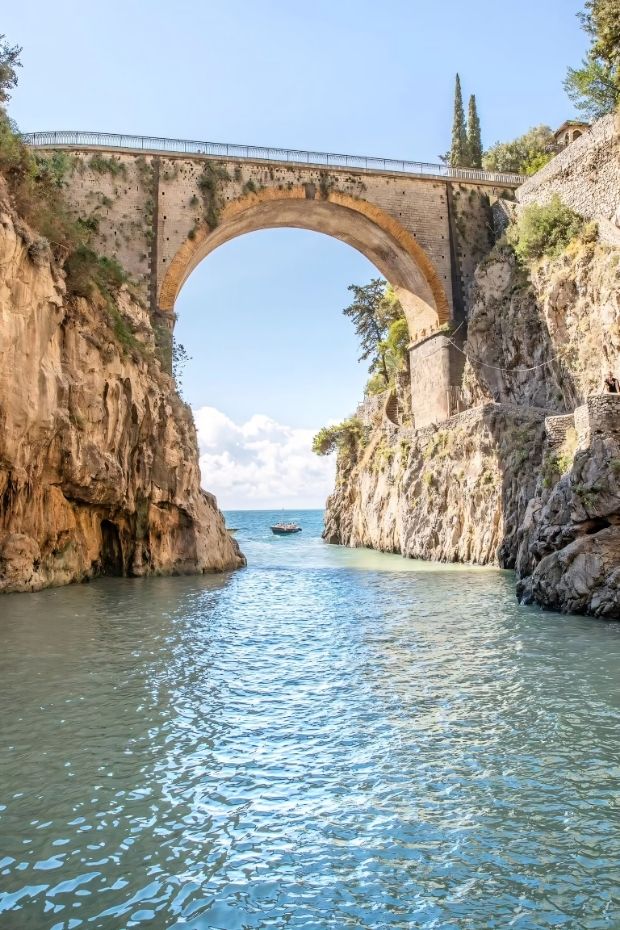
The Fiordo di Furore creates this incredible natural inlet spanned by a high bridge. During summer, the Red Bull Cliff Diving World Series hosts competitions here, with athletes launching themselves from dizzying heights into the emerald water below. Even when events aren’t happening, watching waves crash into this narrow gorge feels mesmerizing.
The beach itself is tiny but gorgeous, accessible via steep stairs. The water here glows in shades of turquoise and sapphire that don’t look real. Furore offers something completely different from typical coastal towns, and that’s exactly why it belongs on your itinerary.
10. Praiano: Sunset Central
Wedged between Positano and Amalfi, Praiano often gets overlooked by travelers rushing between those more famous neighbors. Their loss, honestly, because Praiano delivers stunning sunset views and maintains a more relaxed atmosphere without sacrificing beauty.
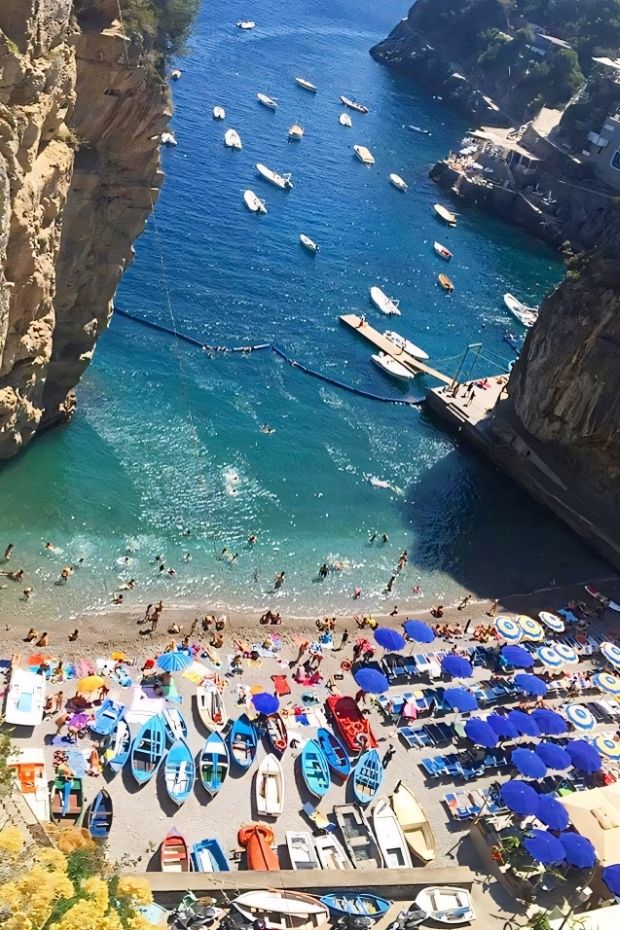
The town stretches along the cliffs with houses facing west toward the setting sun. Marina di Praia, a small beach tucked into a cove, offers excellent swimming and waterside restaurants where you can lunch on fresh seafood. The Church of San Gennaro features a beautiful majolica-tiled floor that catches the light gorgeously.
What makes Praiano special? It feels like a real place where actual people live, not just a stage set for tourism. You’ll find better prices on accommodations here than in Positano, and the central location makes it easy to explore in both directions. Watch the sun sink into the Tyrrhenian Sea from one of the town’s many terraces, and you’ll understand why some travelers prefer this spot over flashier alternatives.
11. Capri: Glamorous Island Escape
Take a ferry from Sorrento or the Amalfi Coast, and within 30 minutes you’ll reach Capri, the island that’s been a playground for the rich and famous since Roman times. Emperor Tiberius built villas here, and modern celebrities continue that tradition. The island combines natural beauty with serious glamour.
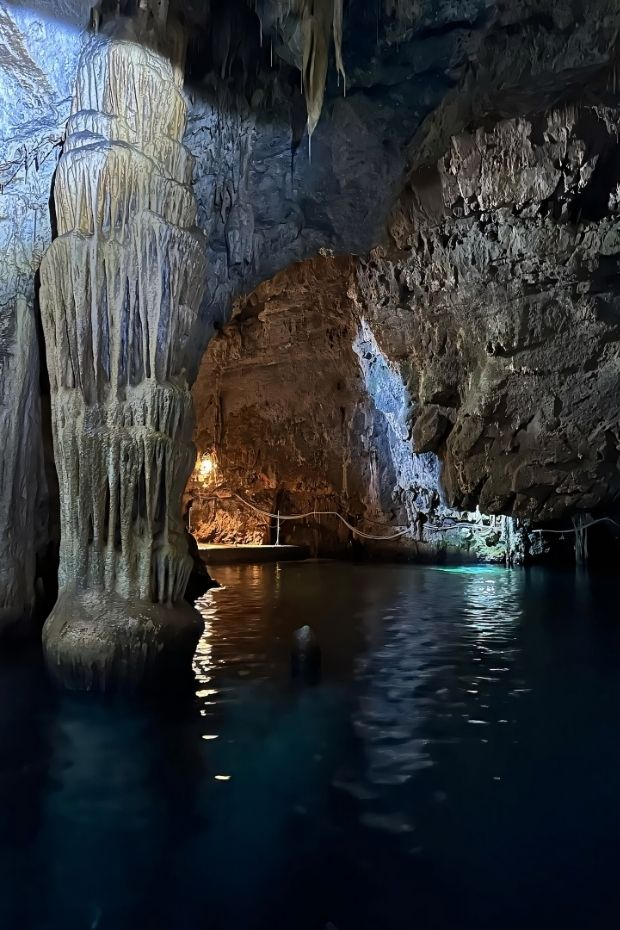
The Blue Grotto remains the most famous attraction—a sea cave where sunlight filtering through underwater openings turns the water an otherworldly electric blue. You’ll need to transfer to tiny rowboats and duck your head to enter, but that glowing water delivers on the hype. The town of Capri itself buzzes with high-end boutiques and cafes along the Piazzetta.
Take the chairlift up Monte Solaro for 360-degree views of the entire island and coastline. Wander the Gardens of Augustus to see the famous Faraglioni rock formations jutting from the sea. Capri packs a lot into a small package, and while it’s definitely touristy, the island’s beauty and energy make it worth battling the crowds for a day.
12. Minori: Beach Town Bliss
Minori gives you something increasingly rare on the Amalfi Coast: an actual sandy beach where you can relax without perching on rocks. This laid-back town attracts Italian families rather than international tour groups, which automatically makes it feel more genuine and welcoming.
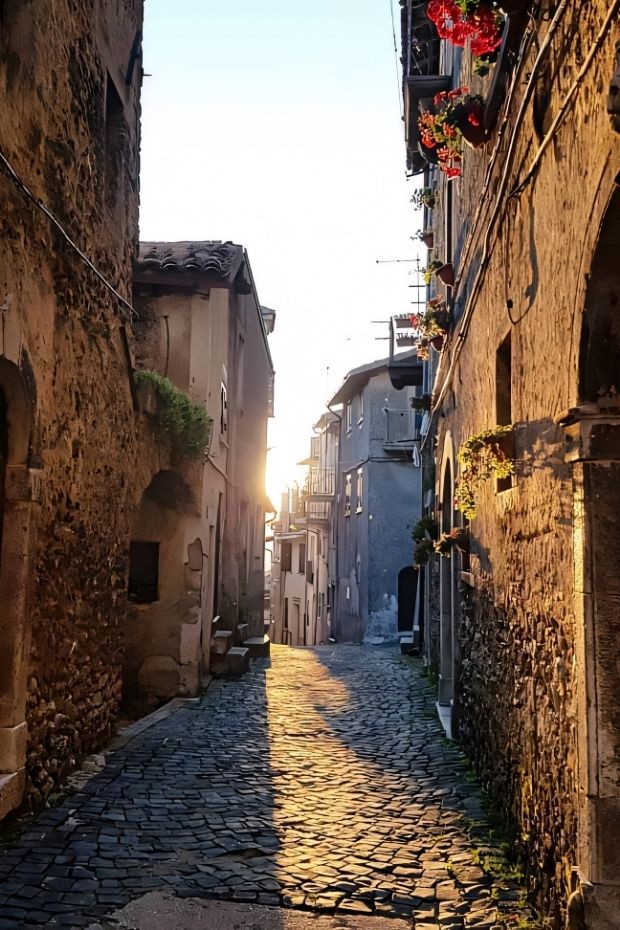
The beach stretches along the waterfront with a pleasant promenade lined with lemon trees. Behind the beach, you’ll find the Villa Romana, the ruins of a first-century Roman villa with remarkably well-preserved frescoes. The small archaeological site proves that Romans also appreciated this beautiful coastline.
Minori is famous for its pastries, particularly the delizia al limone—a lemon-flavored sponge cake soaked in limoncello that tastes like sunshine in dessert form. The main street hosts local bakeries and pasta shops where you can watch artisans make traditional scialatielli pasta by hand. This town won’t blow your mind with dramatic views, but it offers authentic coastal living and that precious sandy beach.
Planning Your Italian Adventure
Connecting these 12 destinations requires some strategic planning. The journey from Rome to the Amalfi Coast takes about three hours by car or train to Naples, then you’ll need another hour to reach Sorrento or the coast. I recommend splitting your time with three days in Rome, a day for Pompeii and Naples, then at least four days exploring the coastal towns.
The SITA bus runs along the coast connecting most towns, though the winding roads and tight corners aren’t for the faint of heart. Ferries offer a more scenic (and less nerve-wracking) alternative during summer months. Renting a car gives you flexibility but parking is notoriously difficult and stressful in these vertical villages.
Each destination on this list offers something unique, from Rome’s ancient grandeur to Atrani’s village simplicity. You don’t need to hit all 12 to have an incredible trip, but knowing your options helps you craft the perfect itinerary. The stretch from Rome to the Amalfi Coast represents Italy at its absolute best—history, culture, food, and natural beauty all rolled into one unforgettable journey. Pack comfortable walking shoes, bring your appetite, and prepare for the trip of a lifetime. Trust me, you won’t regret a single moment. 🙂