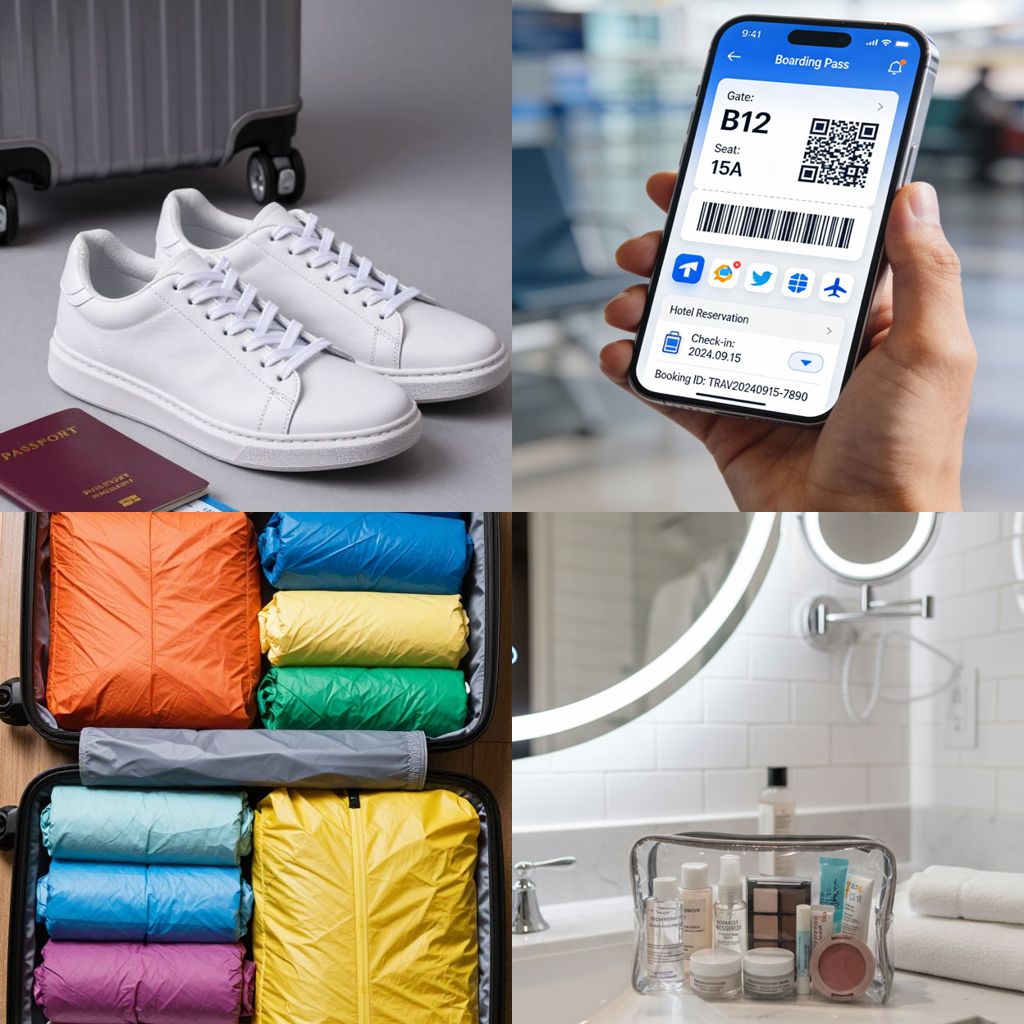
You know that feeling when Friday afternoon hits and you suddenly remember you’re leaving for a weekend trip in approximately four hours? Yeah, I’ve been there more times than I’d like to admit. Here’s the thing about weekend travel: you don’t need half your closet crammed into a suitcase. I’ve learned this the hard way after dragging oversized luggage through airport terminals and realizing I wore the same three outfits anyway.
Weekend trips should feel freeing, not like you’re relocating your entire life. The secret? Smart packing that lets you move quickly, travel light, and still look put-together. Let me walk you through the packing strategies that actually work for short trips.
Master the One-Bag Challenge
Forget checked luggage fees and carousel anxiety. A carry-on bag is your weekend trip MVP. I switched to one-bag travel about two years ago, and honestly? Game changer.
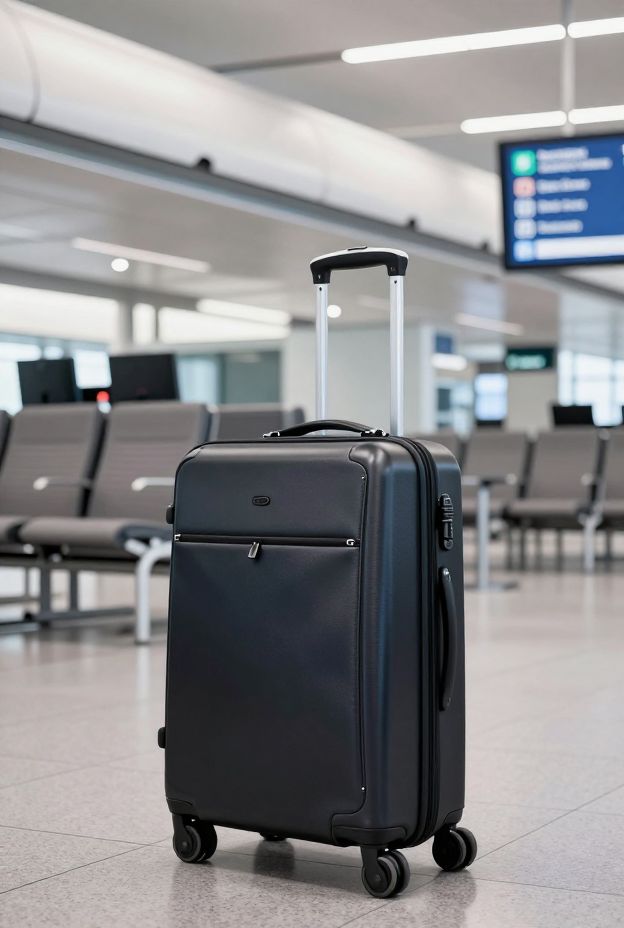
Pick a bag that fits airline carry-on dimensions but maximizes interior space. You want something around 40-45 liters with good organization pockets. The beauty of going carry-on only means you skip baggage claim and head straight to your adventure. Plus, airlines can’t lose what you never checked in the first place 🙂
Think about it: do you really need seven outfit options for a two-night stay? Spoiler alert—you don’t. Keep your bag small, and you’ll naturally pack only what matters.
Follow the Capsule Wardrobe Formula
Here’s my weekend packing formula that never fails me. For a standard Friday-to-Sunday trip, you need way less than you think.
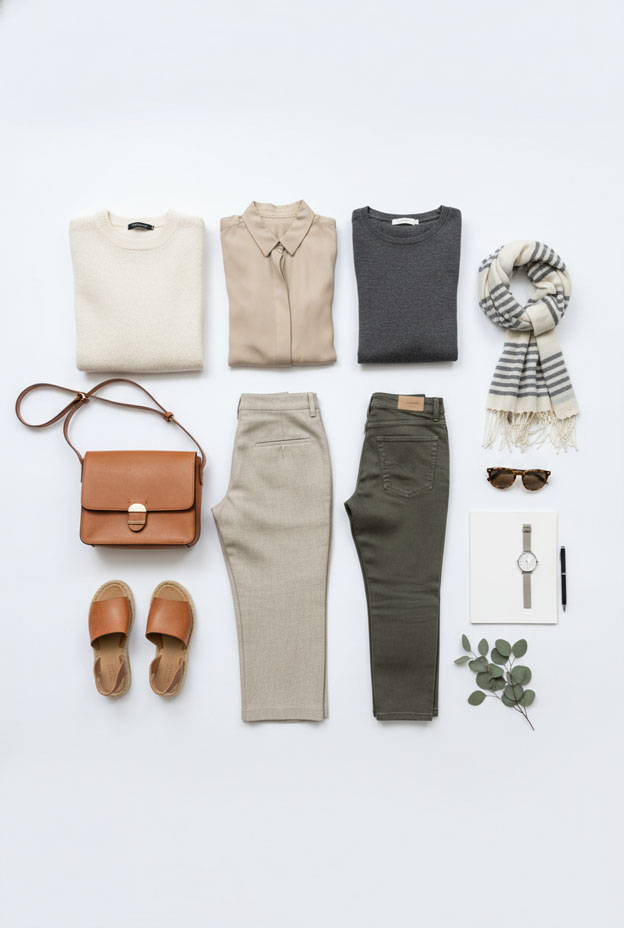
The essentials breakdown:
- 3 tops that mix and match (include one slightly dressier option)
- 2 bottoms in neutral colors—jeans work for almost everything
- 1 versatile jacket or cardigan for temperature changes
- 1 pair of comfortable walking shoes you’re already wearing
- 3 sets of underwear and socks
- 1 set of pajamas (or just wear an oversized tee)
Pro tip: wear your bulkiest items during travel. That means your jeans, your sneakers, and your jacket go on your body, not in your bag. You’ll save tons of packing space this way.
The Color Coordination Trick
Stick to a simple color palette—think black, navy, gray, or tan. When everything coordinates, you can create multiple outfits from fewer pieces. I usually build around one pair of jeans that goes with literally everything I pack.
Streamline Your Toiletries
Let’s be real: hotel toiletries exist for a reason. You probably don’t need to pack full-size everything.
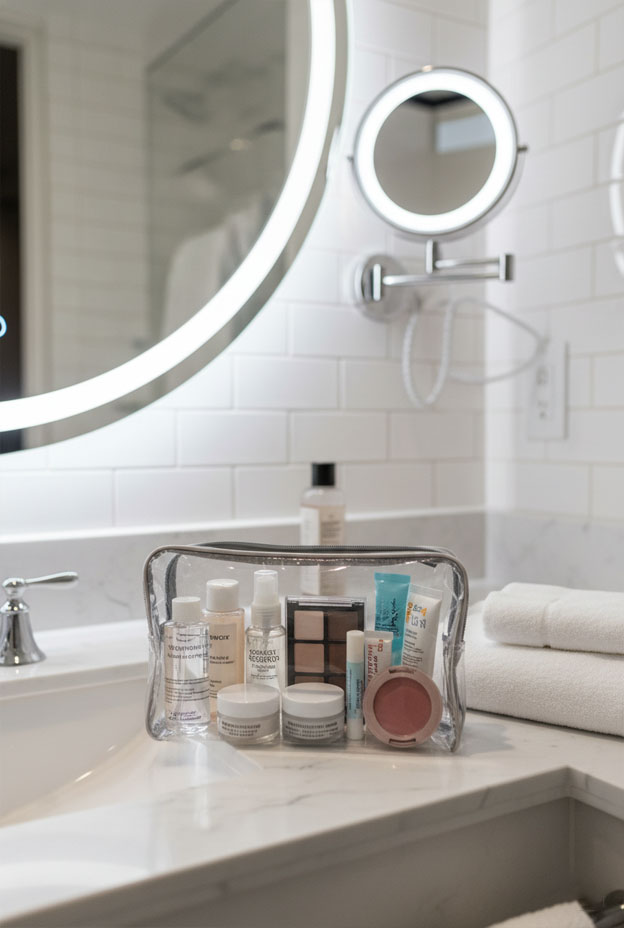
Grab a clear toiletry bag (TSA requirements, FYI) and fill it with travel-sized versions of your must-haves. Focus on items hotels don’t provide: your specific face wash, deodorant, toothbrush and toothpaste, contact lens solution, makeup basics, and any prescription medications.
Leave the hairdryer at home. Most accommodations provide them, and if you’re staying somewhere without one, you probably won’t need it anyway. Same goes for shampoo and body wash—use what’s there or buy small bottles at your destination.
Plan Your Outfits Before You Pack
Ever wonder why you pack ten shirts but only wear two? It’s because you didn’t actually plan your outfits ahead of time.
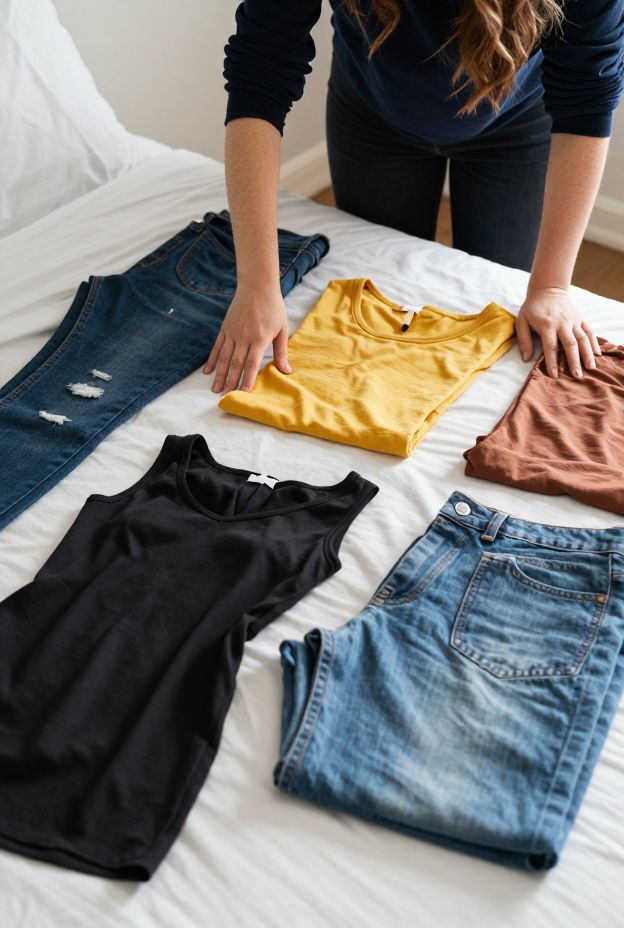
Lay out your clothes the night before. Create actual outfit combinations for each day of your trip. If you can’t picture yourself wearing something specific, don’t pack it. This simple step eliminates about 40% of typical overpacking.
Think through your weekend activities: Are you hitting restaurants or food trucks? Museums or hiking trails? Beach lounging or city exploring? Your itinerary should drive your packing list, not the other way around.
Use Packing Cubes Like a Pro
I resisted packing cubes for years because they seemed gimmicky. Then I tried them once and never looked back.
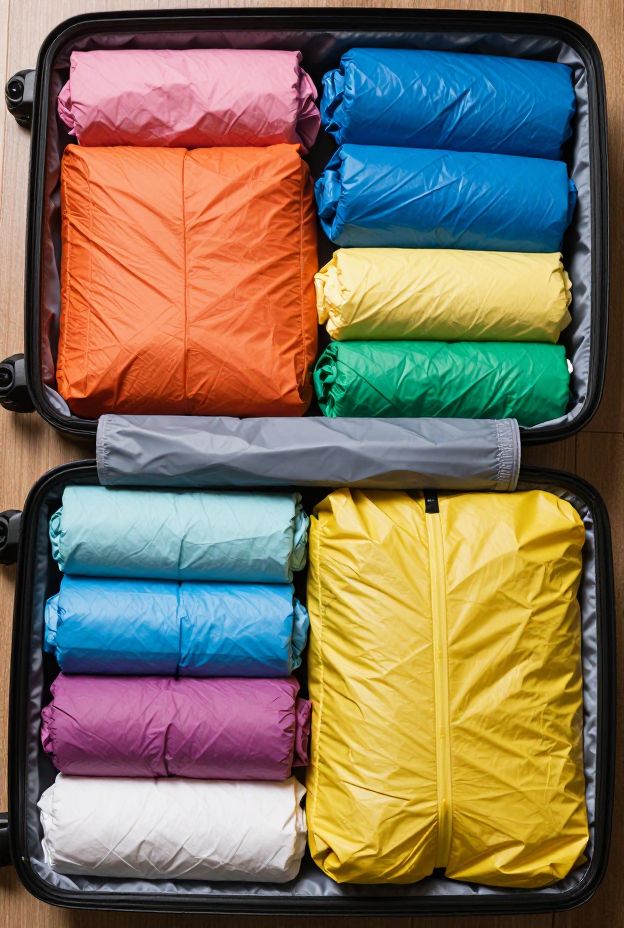
These fabric organizers compress your clothes and keep everything categorized. I use one cube for tops, one for bottoms, and one for underwear and socks. No more digging through your entire bag to find one specific item. Everything stays neat, even after airport security tears through your luggage.
Rolling your clothes instead of folding also saves space and reduces wrinkles. Pack heavier items at the bottom near the wheels, and lighter stuff on top. Your future self will thank you when nothing’s wrinkled.
Limit Yourself to One Pair of Shoes
Shoes are bulky, heavy, and take up ridiculous amounts of space. For weekend trips, wear one versatile pair and skip the extras.
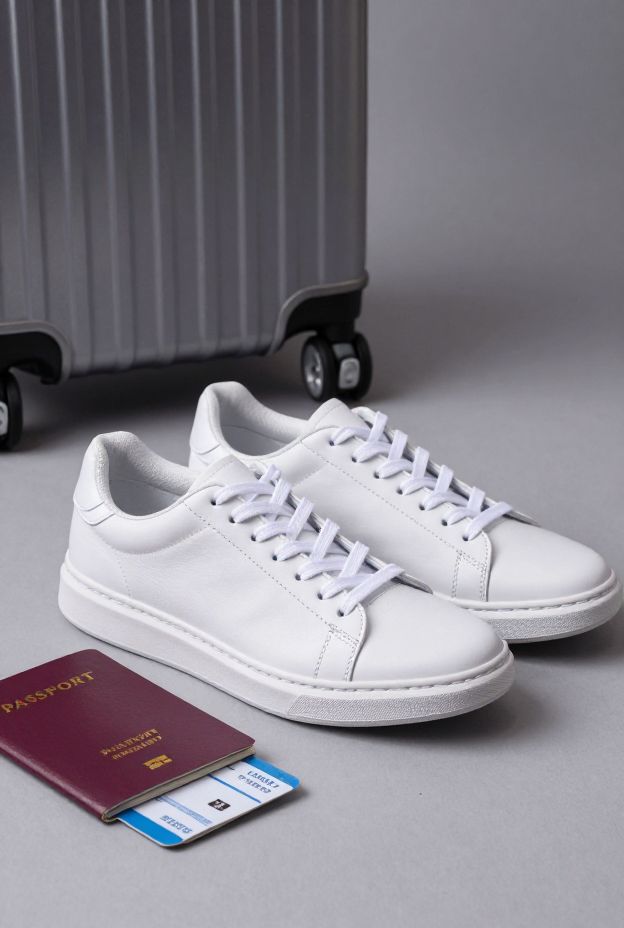
Choose comfortable walking shoes that work for multiple situations. Clean white sneakers pair with jeans and casual dresses. Leather boots work for cooler weather and slightly dressier occasions. The key word here is comfortable—you’ll probably walk more than you expect.
If you absolutely need a second pair (like sandals for a beach weekend), wear your bulkier shoes during travel and pack the lighter pair. But honestly? One good pair handles most weekend scenarios just fine.
Bring a Reusable Water Bottle
This might seem obvious, but you’d be surprised how many people forget it. A collapsible or lightweight water bottle saves you money and keeps you hydrated.
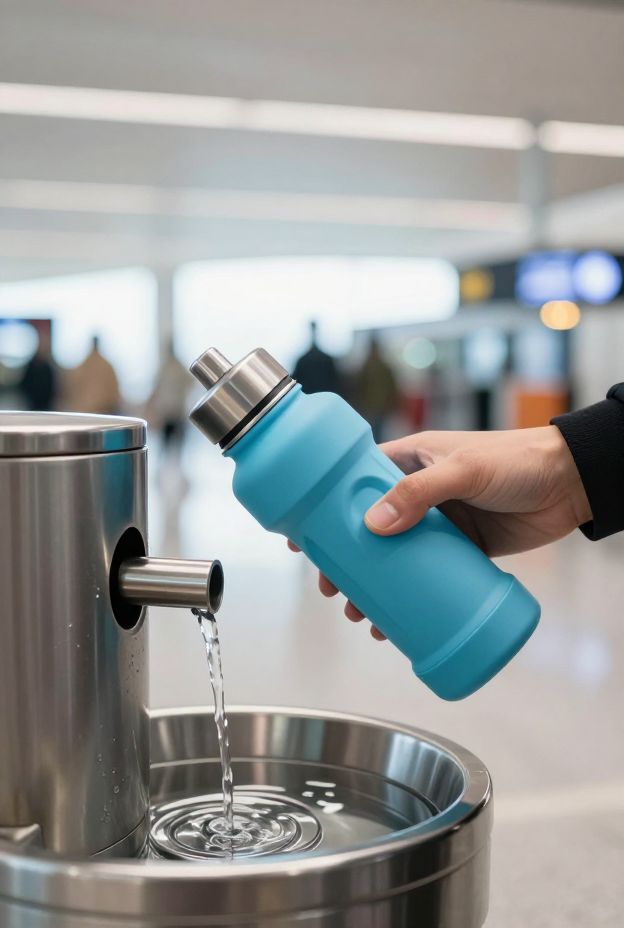
Pack it empty through airport security, then fill it at a water fountain once you’re past TSA. You’ll avoid overpriced airport drinks and have water on hand throughout your trip. Staying hydrated beats dealing with travel headaches, trust me on this one.
The Snack Strategy
While we’re talking about consumables, toss a couple emergency snacks in your bag. Nothing elaborate—just granola bars or nuts to tide you over if you get stuck somewhere without food options. Your hangry self will appreciate the foresight.
Digitize Everything Possible
Heavy guidebooks and printed confirmations belong in the past. Use your phone for everything: boarding passes, hotel reservations, restaurant recommendations, maps, and entertainment.
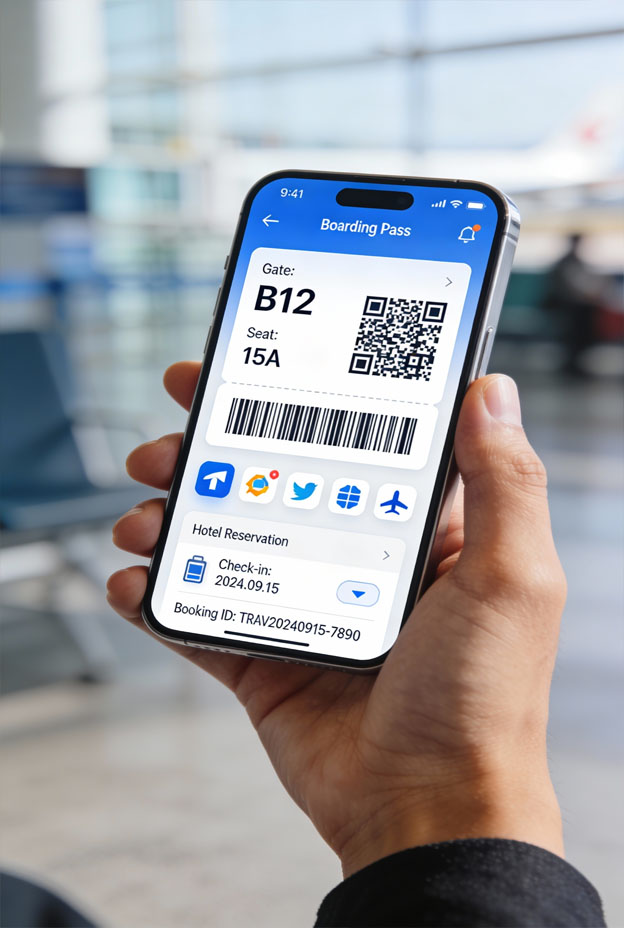
Download offline maps of your destination before you leave. Save important documents as photos or in cloud storage. Create a “Travel” folder on your phone with screenshots of confirmations, addresses, and emergency contacts.
The only physical items you really need? Your ID, one credit card, and maybe some local currency. Everything else can live digitally, saving space and weight in your bag.
Pack a Small Day Bag
Once you reach your destination, you won’t want to lug your whole carry-on around. Bring a packable daypack or tote bag that folds flat in your main luggage.
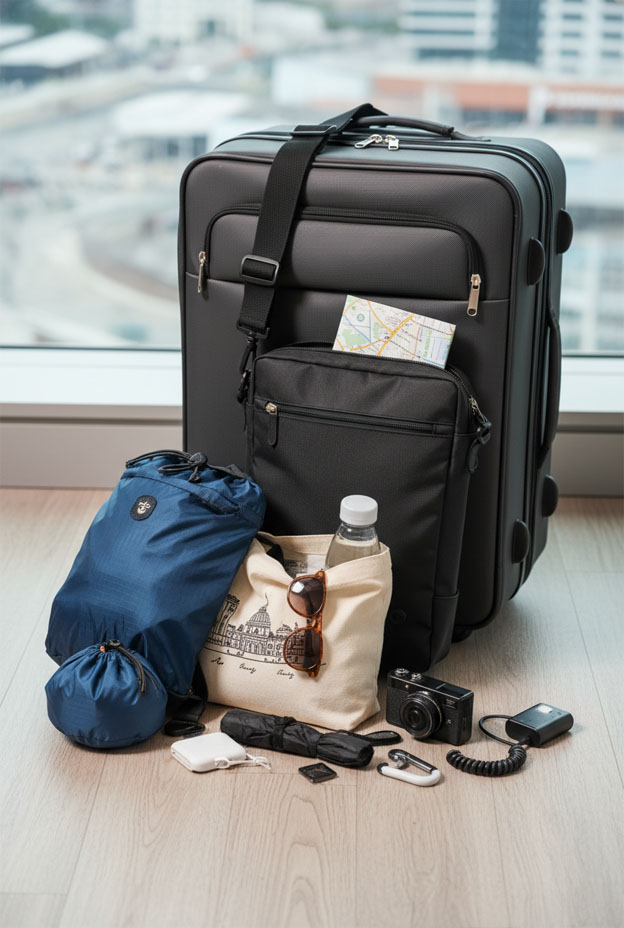
This becomes your daily bag for sightseeing, holding your water bottle, sunscreen, phone charger, snacks, and a light jacket. A crossbody bag or small backpack keeps your hands free while you explore. Look for something lightweight that compresses down to nothing when not in use.
Wear Your Bulkiest Items During Transit
I mentioned this earlier, but it deserves its own section because it’s that important. Your travel outfit should include your heaviest, bulkiest pieces.
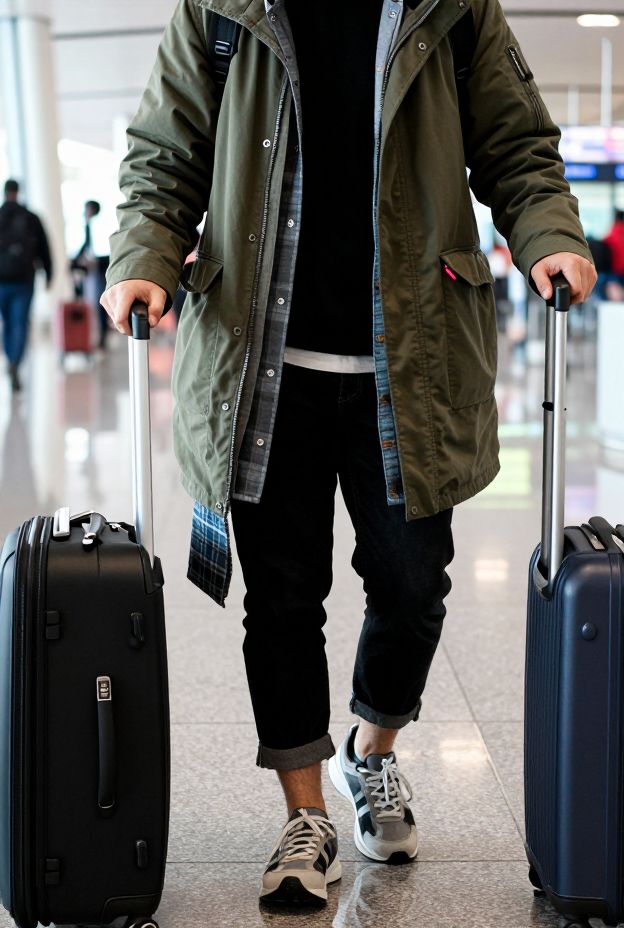
Wear your jeans, not your shorts. Wear your sneakers, not your sandals. Layer your jacket, hoodie, and maybe even a scarf if you’re traveling somewhere cold. Yes, you might feel slightly overdressed in the airport, but you’ll free up so much packing space.
Plus, planes and buses get cold. You’ll actually appreciate having layers during transit, even if it’s summer at your destination.
Check the Weather (But Don’t Overreact)
Look at the forecast about a week before you leave, then again the day before departure. This gives you a realistic picture without causing forecast-induced panic-packing.
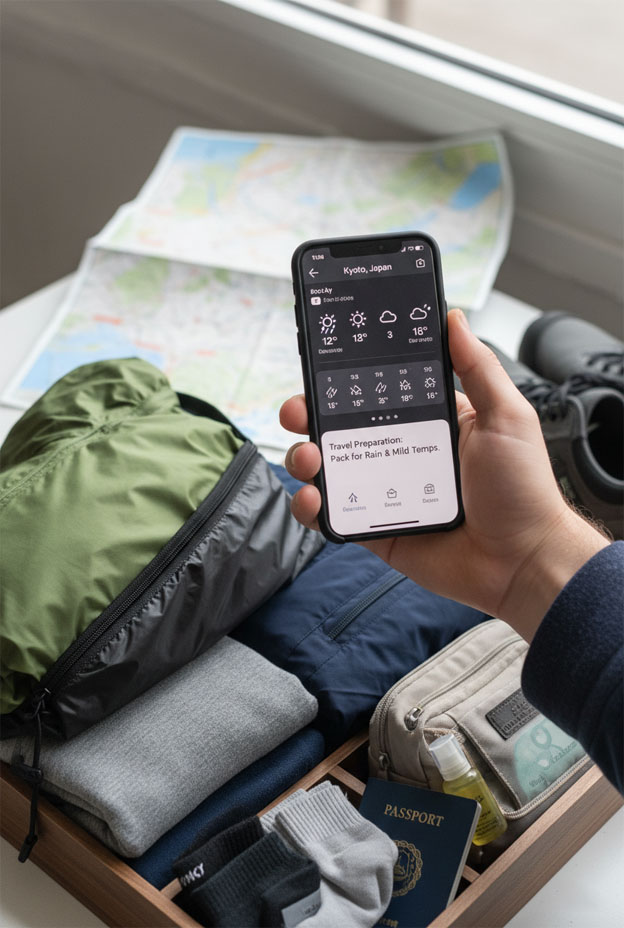
If there’s a 30% chance of rain, bring a lightweight rain jacket or packable umbrella. Don’t pack for every possible weather scenario—pack for what’s most likely. A versatile jacket handles both chilly mornings and air-conditioned restaurants, eliminating the need for multiple layers.
IMO, most people overpack based on “what if” weather scenarios that never happen. Check the forecast, pack accordingly, and move on.
Leave Room for Souvenirs
If you pack your bag 100% full before you even leave, where will you put that amazing local pottery or vintage find you stumble across?
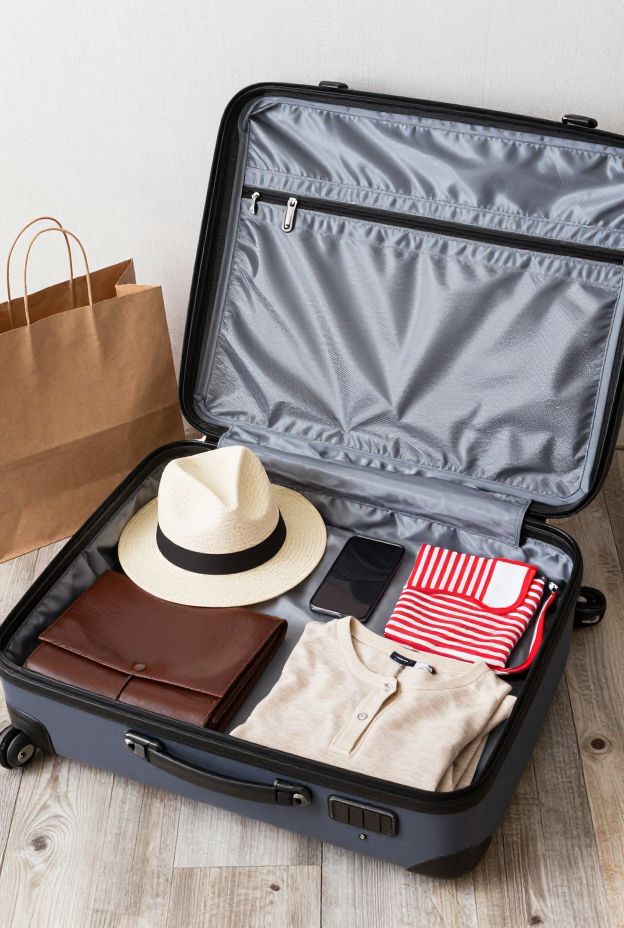
Keep about 20% of your bag empty for return-trip additions. This might mean packing even lighter than you think necessary, but it gives you flexibility. You can always buy something you forgot (hello, spontaneous souvenir shopping excuse), but you can’t magically create extra bag space.
Some people pack a collapsible duffel bag for this exact purpose. If you buy stuff, unfold the extra bag for your return flight. If you don’t, it takes up almost no space.
Create a Charging Station Kit
Nothing kills a weekend trip vibe faster than realizing your phone’s at 2% and you forgot your charger. Keep all your electronics and cables together in one small pouch.
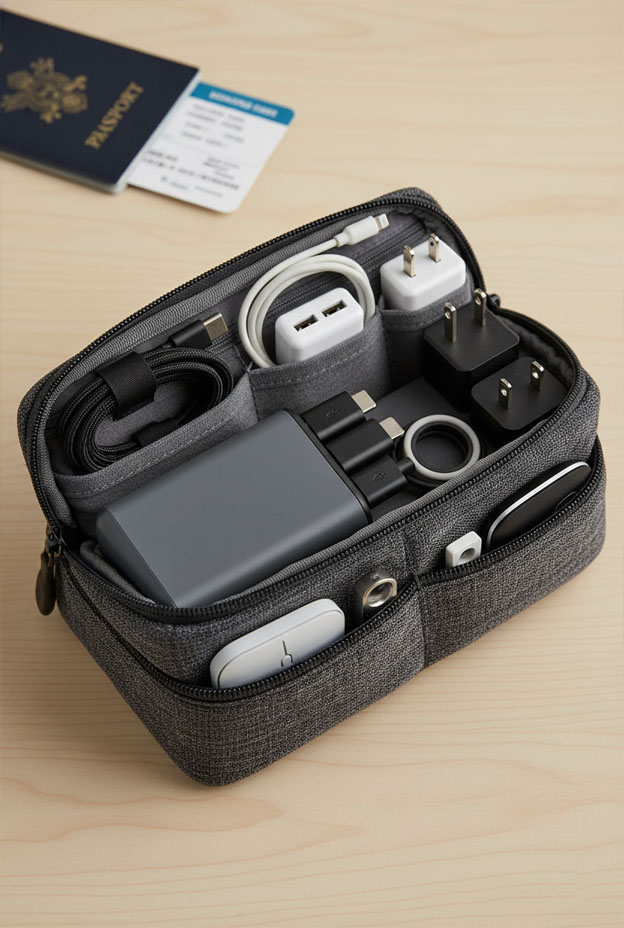
Your charging essentials:
- Phone charging cable and wall adapter
- Portable battery pack (pre-charged)
- Earbuds or headphones
- Any device-specific cables (watch, tablet, camera)
- Plug adapter if traveling internationally
I keep a dedicated travel tech pouch that stays mostly packed between trips. This way I’m never scrambling to find cables or adapters at the last minute. Just grab the pouch and go.
Conclusion
The ultimate test? You should be able to sprint for a train or bus without your bag slowing you down too much. If you can’t, reassess what you’ve packed.
Here’s what I’ve learned from years of weekend trips: packing light isn’t about deprivation—it’s about freedom. You move faster, stress less about lost luggage, and spend more time enjoying your destination instead of managing your stuff. Start with these 13 tips, adjust based on your specific needs, and you’ll wonder why you ever traveled any other way. Now go plan that weekend getaway—your perfectly packed carry-on is waiting 🙂